High-end kitchen appliances can be surprisingly efficient, especially when an ENERGY STAR certified model replaces an older unit. The bigger risk comes from assuming all pro-style appliances waste power, then skipping features that reduce cycling, heat loss, and temperature swings in brands like Sub-Zero and Wolf.
Wilshire Refrigeration & Appliance Inc. often sees efficiency hold steady when installation and routine service match the manufacturer’s specifications. Actual energy use depends on model size, settings, and daily habits, but modern engineering can keep power draw competitive without giving up performance.
Engineering Features Driving Kitchen Efficiency
Engineering is a big reason high-end kitchen appliances can run efficiently without sacrificing performance. Better insulation, tighter tolerances, and smarter cooling design cut wasted energy during daily use. These choices also limit frequent cycling, which can push electricity use higher over time.
Dual Compressors Reducing System Strain
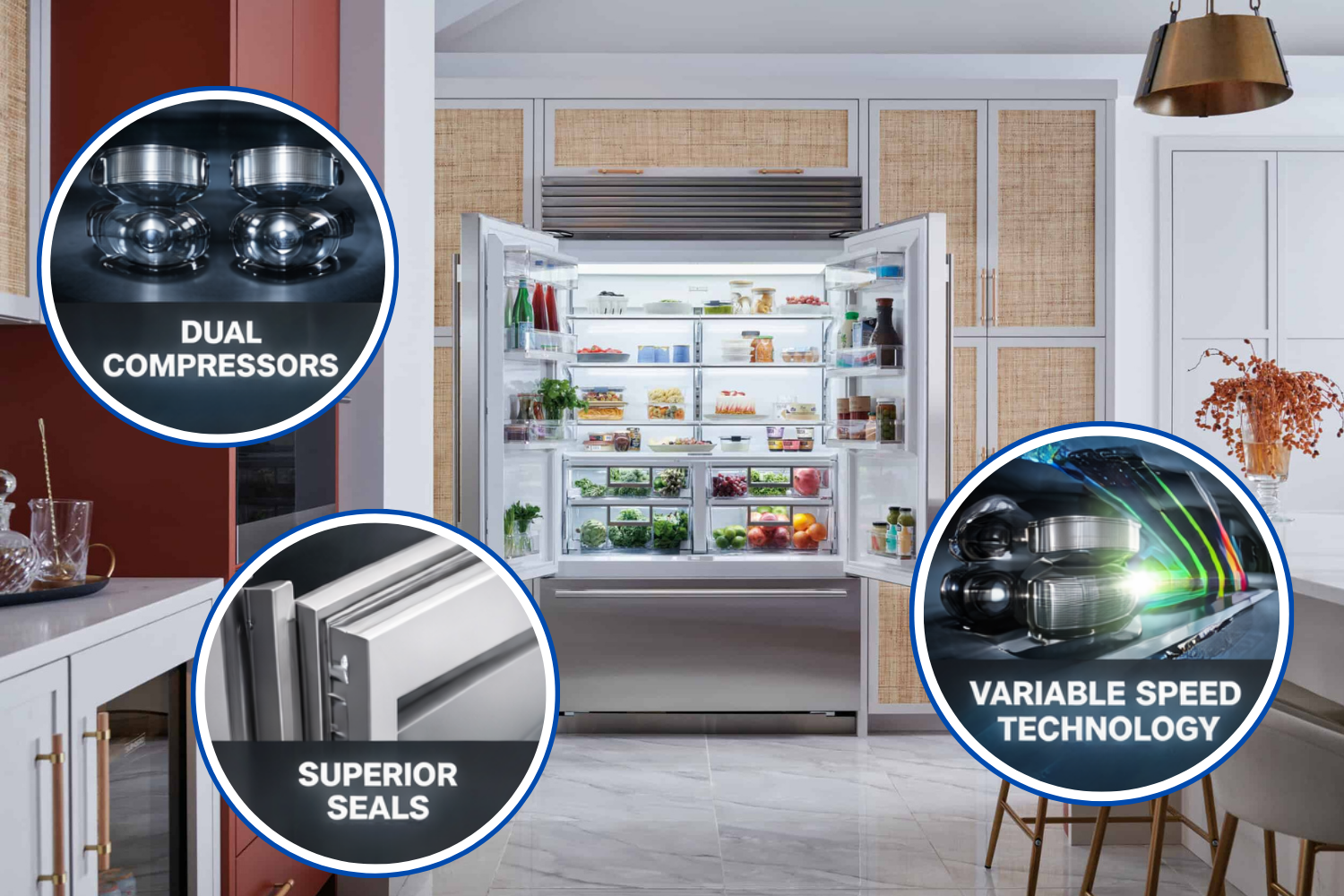
Dual compressors reduce system strain by separating cooling jobs instead of forcing one system to do everything. Many Sub-Zero Refrigerator models use a dual refrigeration design with separate cooling for fresh and frozen zones, helping each side stay stable without constant overcorrecting.
When temperatures stay steadier, the system can cycle more efficiently, which may lower energy use and reduce wear compared with single-system designs.
Superior Vacuum Seals Preventing Air Loss
Superior “vacuum-style” sealing reduces air loss by keeping cold air inside where it belongs. Sub-Zero doors use strong gaskets designed to close tightly and resist small gaps that let cold air leak out.
When less cold air escapes, the cooling system runs less often to recover temperature. A steadier interior also supports more consistent humidity and temperature control in many premium refrigerators.
Variable Speed Technology Adapting to Usage
Variable speed technology adapts to usage by matching output to real demand instead of running at one fixed level. Some Sub-Zero models use a variable-speed compressor to keep temperatures closer to the set point with less wasted runtime.
Thermador refrigeration also includes settings such as SuperCool or SuperFreeze that boost cooling after heavy use, then return to normal operation once temperatures recover.
Why Wolf Appliances Are Leaders in Thermal Efficiency
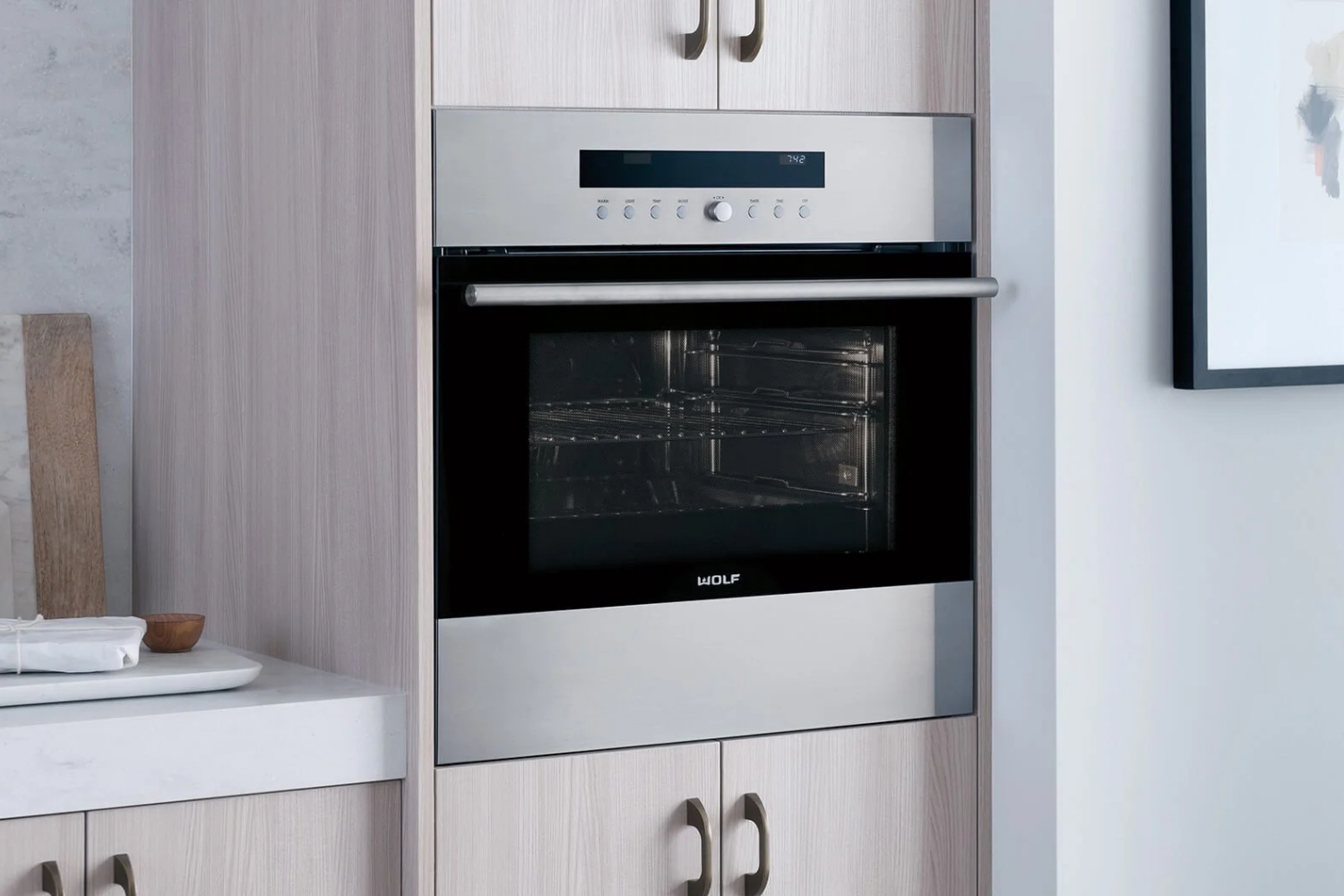
Wolf appliances lead in thermal efficiency because heat gets directed with more precision and less waste. Cooking often uses more energy than people think, especially when ovens run longer than needed, or cooktops spill heat into the room. Wolf focuses on targeted heat and even circulation so meals cook evenly without unnecessary runtime. Better control usually means less wasted heat.
Induction Cooking Minimizing Heat Transfer
Induction cooking minimizes heat transfer by heating cookware directly instead of heating the air around it. The U.S. Department of Energy notes induction can be more efficient than gas because more energy goes into the pan instead of spilling into the room.
On a Wolf induction cooktop, fast response makes it easier to avoid overheating, which can shorten cook time and reduce wasted energy during everyday meals.
Convection Systems Shortening Cooking Times
Convection systems shorten cooking times by moving heat evenly so the oven often runs less per meal. Wolf highlights a dual convection system designed to reduce hot and cold spots and support consistent multi-rack cooking.
More even heat can reduce do-overs and unnecessary extra minutes with the oven on, which is one practical way luxury kitchen appliances can cut waste in daily cooking.
The Role of Longevity in Sustainable Living
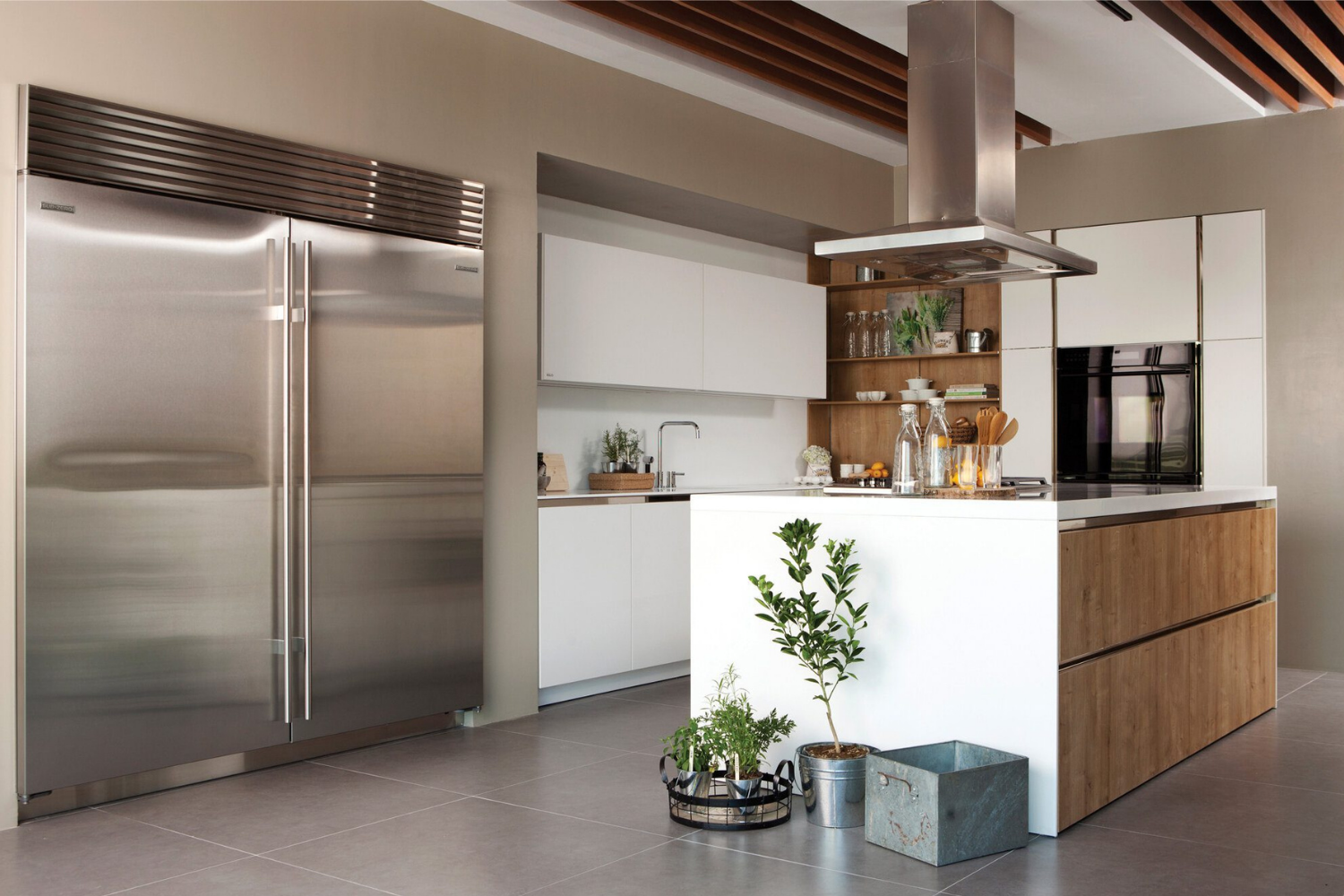
Longevity supports sustainable living because a long-lasting appliance reduces replacement cycles and material waste. When products last longer, fewer units get manufactured, shipped, and discarded, which lowers the total footprint over time.
Extended Lifespan Reducing Manufacturing Impact
Extended lifespan reduces manufacturing impact because fewer replacements end up in landfills over time. Wolf states products are designed to last about 20 years on average, with lifespan varying based on use, environment, and maintenance.
Many mainstream refrigerators last closer to about 10 to 20 years, depending on type and care, so longer-lasting units can reduce replacement frequency across decades.
Repairability Over Replacement
Repairability beats replacement because fixing a solid unit avoids the waste of buying a new one. This is one reason many luxury kitchen appliances stay in service longer than budget models. Many luxury appliances are built with service access and parts availability for many components, so repairs are practical instead of disposable. When performance drops, Sub-Zero appliance repair can address common energy drains like worn door seals, dirty coils, or failing fans without scrapping the whole unit.
Repair also helps protect the investment made in premium materials and engineering. A targeted fix can restore efficiency and extend useful life.
Maintenance Checks to Maintain Peak Energy Efficiency
Keep your appliances running efficiently by monitoring these critical components:
- Condenser Coils: Dirty coils trap heat, forcing the compressor to run longer and hotter during cooling.
- Door Gaskets: Cracks or weak seals let cold air escape, causing frequent cycling and higher electricity use.
- Water Filters: Clogged filters restrict flow and can strain pumps in a refrigerator or dishwasher during normal use.
- Burner Ports: Blocked gas ports can lead to uneven flames and longer cook times, which wastes fuel and heat.
Energy use changes fast when airflow and sealing slip, so small fixes often make the biggest difference.
Frequently Asked Questions
Are high-end appliances more energy efficient than standard models?
Many high-end kitchen appliances use tighter seals and smarter controls, so energy use can be competitive, especially in ENERGY STAR certified models.
How much electricity does a Sub-Zero refrigerator use?
A Sub-Zero Refrigerator varies by model and size, so checking the EnergyGuide label or ENERGY STAR listing gives the most accurate annual kilowatt-hour estimate.
Do Wolf appliances have an energy-saving mode?
Wolf appliances focus on precise temperature control and efficient heat delivery, and standby style settings on some models can reduce idle display use.
Is it worth repairing an old Sub-Zero refrigerator for energy efficiency?
If the cabinet and sealed system are in good shape, Sub-Zero appliance repair, such as coil cleaning and gasket replacement, can reduce cycling and wasted energy.
What is the most energy-efficient luxury appliance brand?
The best kitchen appliance brand for efficiency depends on the exact model, but Sub-Zero, Thermador, and Wolf often perform well when properly sized, installed, and maintained.
Smart Investments for a Greener Home
Choosing high-end kitchen appliances can support lower waste and steadier performance over time when efficiency features are maintained. Sub-Zero, Thermador, Wolf, and other luxury appliances use tighter seals, better cooling control, and more precise cooking systems to limit unnecessary cycling and heat loss, but real savings still depend on the exact model and how the kitchen gets used each day.
Regular upkeep and timely appliance repair can keep a premium kitchen running efficiently for years, including a Wolf refrigerator that relies on clean airflow and strong sealing. In Southern California and Las Vegas, Wilshire Refrigeration can help keep maintenance on schedule so efficiency stays consistent week after week.
[/fusion_text][/fusion_builder_column][/fusion_builder_row][/fusion_builder_container]