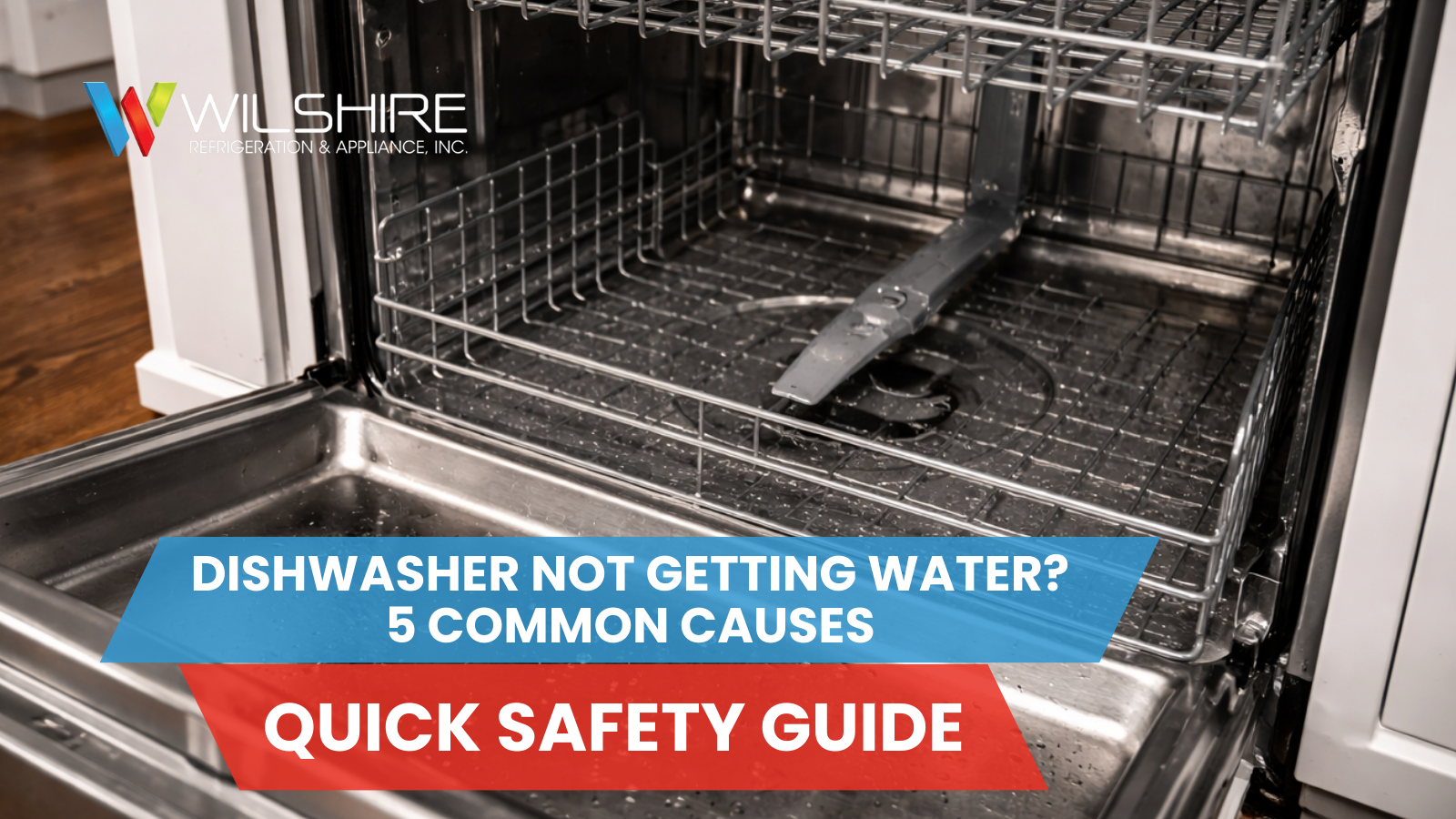
You load the dishwasher after dinner, press Start, and expect to wake up to clean plates. Instead, the tub is dry and the mess is still stuck on. A dishwasher not getting water is frustrating, especially when the kitchen routine depends on it. In many cases, the cause is simple: a closed valve, a latch issue, or a blocked inlet.
This guide covers five common reasons a dishwasher does not fill, quick checks that can be done safely, and clear signs that professional service is the safest next step. If the tub stays dry after the basics are checked, Wilshire Refrigeration can inspect the fill system and recommend the right repair for the specific model.
Why Is My Dishwasher Not Getting Water?
When a dishwasher is not getting water, the cause often comes down to a few common issues: the under-sink supply valve is closed, the door is not latching, the inlet valve or filter screen is blocked, the float switch is stuck, or the supply hose is kinked. Narrowing down which part of the fill path is restricted is the fastest way to get the unit running normally again.
What Should You Check First When There’s No Water in the Dishwasher?
Before assuming a part failed, start with quick checks under the sink and around the door. These steps often identify a simple reason for no water in the dishwasher tub:
- Confirm the water shutoff valve under the sink is fully open.
- Close the door firmly until a click is heard.
- Look for a kinked supply hose under the cabinet or behind the unit (if visible).
- Cancel the cycle and run a quick rinse cycle to test filling.
- If newly installed, confirm the supply and drain connections were set up correctly.
Is It Safe to Run a Dishwasher With No Water?
Stop the cycle if the dishwasher is not filling. A dry cycle will not clean dishes and can put unnecessary stress on internal components. It is better to identify the water supply issue first instead of repeatedly running the unit.
Stop the dishwasher and arrange service if water is leaking under the unit. You should also shut the machine down if you smell burning plastic, hear loud grinding noises, or notice the kitchen circuit breaker tripping.
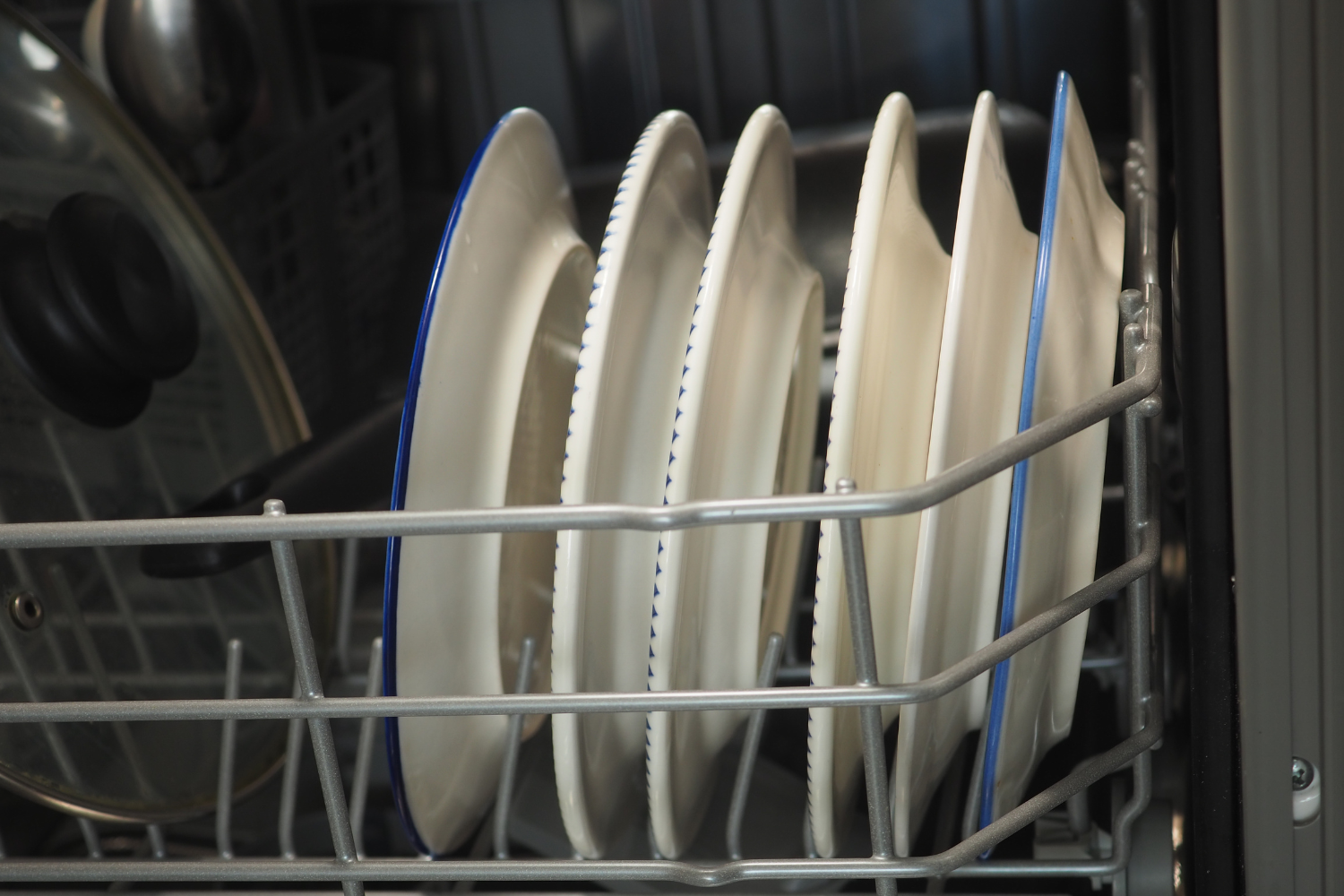
5 Reasons Your Dishwasher Isn’t Filling With Water
Your appliance relies on a few specific parts working together to deliver fresh water to the tub. A failure or a physical blockage in any of these areas can leave dishes dry. Let us examine five common culprits.
1) The Water Supply Valve Is Turned Off
What it means: The dishwasher cannot fill if the under-sink shutoff valve is closed or partially closed.
Common signs: The dishwasher starts, but no water enters and the tub stays dry.
What to do: Confirm the shutoff valve under the sink is fully open. If the valve is stuck, corroded, or leaking, avoid forcing it and contact a plumber.
2) The Dishwasher Door Isn’t Fully Latched
What it means: Many dishwashers will not fill unless the door latch is fully engaged.
Common signs: The cycle starts or beeps, but filling never begins, or it starts and stops quickly.
What to do: Remove items blocking the door, then close it firmly until a click is heard. If the latch feels loose or the issue repeats, service may be needed.
3) The Hose Is Kinked or Set Up the Wrong Way
What it means: A kinked supply hose can restrict incoming water. An improperly routed drain hose can also contribute to erratic operation.
Common signs: Slow filling, no fill, or inconsistent performance after moving the dishwasher.
What to do: Check visible water lines under the sink for sharp kinks. If the dishwasher must be pulled out to inspect hoses, service is recommended to avoid damaging lines or cabinetry.
4) The Water Inlet Valve or Inlet Filter Screen Is Blocked
What it means: Sediment or debris can clog the inlet filter screen and reduce water flow into the dishwasher.
Common signs: Slow fill, weak fill, or the dishwasher stops early because the tub never fills enough.
What to do: If the screen is safely accessible without disconnecting plumbing, clean it carefully. If access requires tools or shutting off and disconnecting water lines, schedule service.
5) The Float Switch (Overfill Protection) Is Stuck
What it means: The float and float switch help the dishwasher measure water level. If stuck in the raised position, filling may be limited or stopped.
Common signs: The tub stays dry or fills briefly and then stops, often with a pause or error.
What to do: Locate the float inside the tub (often a small dome near the front corner). Check for debris and confirm it moves freely. If the float or switch seems stuck, service may be needed.
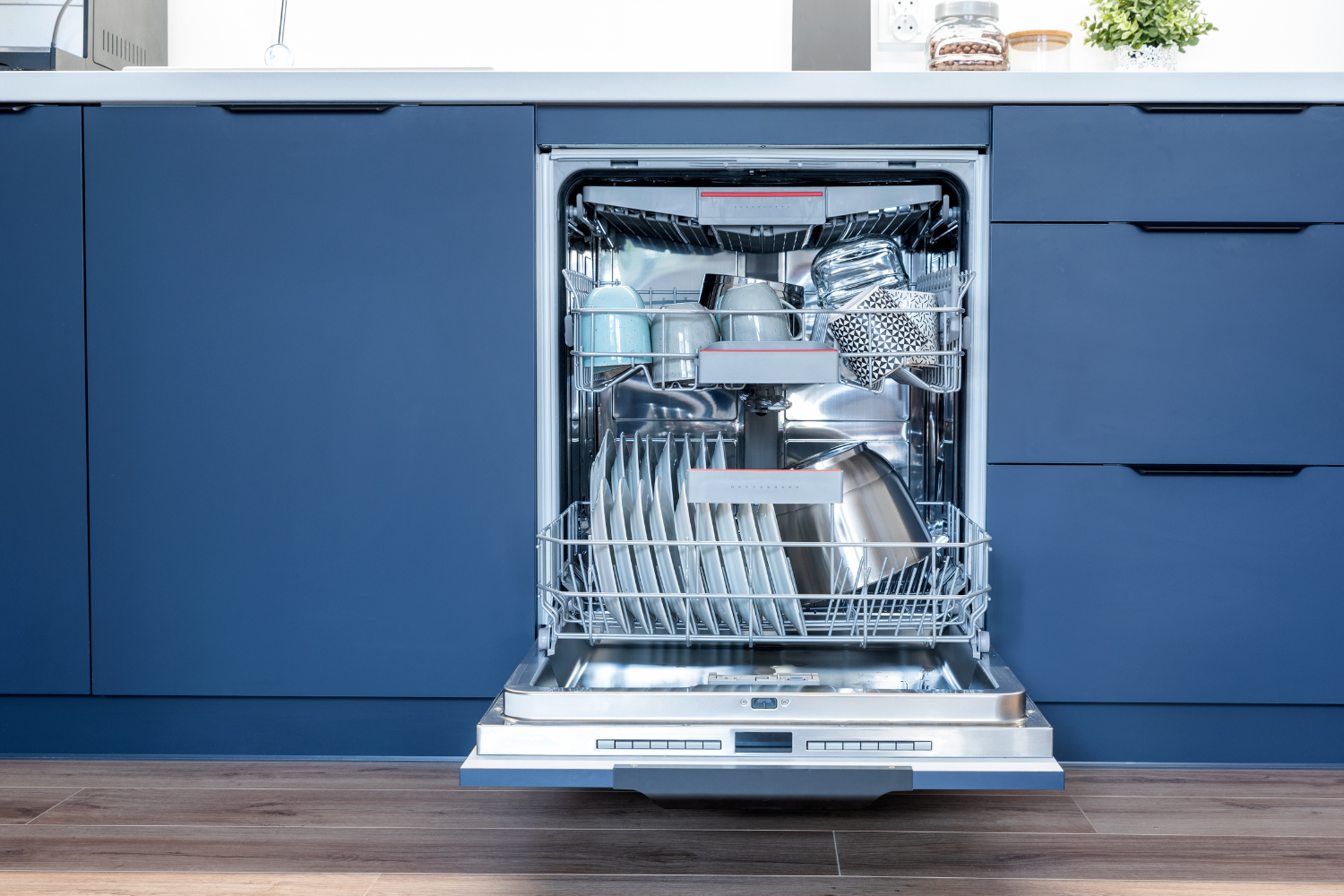
What if My Dishwasher Fills With Water and Then Stops?
When a dishwasher fills and then stops, the cause is often a float issue, a drain restriction, low water flow, or a problem with the inlet valve or controls. The unit may pause when it detects that filling is not happening as expected.
Take a quick look around the kitchen to narrow down the cause. Check if there is standing water at the bottom due to a separate drain problem. Verify that the plastic float dome is not jammed upward. Finally, turn on your sink faucet to see if the whole house is experiencing a drop in water pressure.
What if Your Dishwasher Has No Water, but the Top Rack Isn’t Getting Water Either?
If the tub is not filling properly, the top rack often shows the problem first because spray pressure is lower.
If you have a dishwasher with a no-water issue specifically on the top shelf, check your loading habits first. Ensure the upper and lower spray arms can spin freely without hitting tall glasses. You should also confirm the bottom tub filter is completely clean, as a clogged filter weakens the water pressure.
When Should You Call a Professional Like Wilshire Refrigeration?
Sometimes a quick check is not enough, especially when troubleshooting requires working near water lines or pulling a built-in unit from cabinetry. Service is recommended if the tub stays dry after confirming the supply valve is open, the door is latching, and hoses are not kinked. Service is also recommended if the dishwasher fills and stops repeatedly, an error keeps returning, or leaking or a burning odor is present.
Wilshire Refrigeration services premium and built-in dishwashers with factory-trained technicians focused on safe diagnostics and manufacturer-aligned repairs using model-appropriate parts.
Frequently Asked Questions
Why is my dishwasher not getting water even though it still turns on?
The control board is receiving electrical power, but a closed supply valve, a door latch issue, or a fill-system problem can prevent the dishwasher from starting the fill step.
Can a clogged filter prevent water from entering a dishwasher?
A clogged filter usually affects circulation and cleaning performance more than initial filling. If the dishwasher is not filling at all, the supply valve, inlet valve, float switch, or door latch is more likely.
How do I know if my dishwasher water inlet valve is bad?
A failing inlet valve may prevent proper filling, cause intermittent filling, or trigger a fill-related error. A technician can confirm with flow and electrical tests.
Why does my dishwasher fill with water and then stop?
The machine may stop mid-fill if the float is stuck, draining is restricted, water flow is low, or the inlet valve or controls are not responding consistently.
What should I check first if there’s no water in my dishwasher?
Start with the under-sink shutoff valve, then confirm the door latch is clicking closed and the supply hose is not kinked.
Still No Water in the Dishwasher? Get It Checked!
If the dishwasher tub stays dry after the shutoff valve, door latch, and visible hoses have been checked, a fill-system issue may need professional testing. Wilshire Refrigeration can inspect the water inlet path, float system, and related components, then recommend the safest repair for the specific model and installation.