Quick Navigation
Table of Contents
Click To Expand
Quick Navigation
Table of Contents
Click To Expand
Is your Sub-Zero refrigerator set to a temperature cold enough for food and drinks, or colder than it needs to be? If you searched for a “Wolf refrigerator” or “Wolf fridge,” it helps to clarify a common brand distinction. Wolf does not make refrigerators. Refrigeration products in the Sub-Zero, Wolf, and Cove family are made under the Sub-Zero brand. Wolf primarily focuses on cooking appliances.
For most Sub-Zero refrigerator compartments, 38°F (3°C) is the recommended starting point, while current Designer undercounter beverage centers offer a wider adjustable range. At Wilshire Refrigeration & Appliance, Inc., proper temperature settings are an important part of diagnosing cooling concerns and keeping luxury refrigeration operating as intended.
FACTORY-CERTIFIED APPLIANCE REPAIR
Luxury Appliance Trouble? Get Expert Help Fast.
From premium refrigeration to high-end kitchen appliances, our factory-certified team delivers trusted diagnosis and repair with the professionalism your home deserves.
What Is the Best Temperature for Sub-Zero Wolf Refrigerator Drawers?
The best general setting for refrigerator drawers is about 38°F (3°C). Current Sub-Zero electronic refrigeration controls use 38°F as the factory-recommended refrigerator setting, while many current models allow adjustment within a broader range.Food safety matters more than chasing a different setting for every ingredient. The U.S. Food and Drug Administration recommends keeping refrigerated food at 40°F (4°C) or below.Fresh Produce Storage
Most fresh produce can be stored in the refrigerator set around 38°F. This keeps vegetables and fruits in a cool environment without pushing the entire compartment close to freezing.Some produce is sensitive to very cold temperatures, so lowering a high-end refrigerator to its coldest setting isn’t always better. Start with the manufacturer’s recommended setting, then use the crisper or drawer features specific to the model.Meat and Seafood Preservation
Keep raw meat and seafood refrigerated at 40°F or below, and use them within the recommended cold-storage period for each food. A setting near 38°F provides a reasonable margin below the food-safety limit without requiring the refrigerator compartment to sit just above freezing.Do not rely on a colder setting to extend food beyond safe storage times. Follow package instructions and federal cold-storage guidance for meat, poultry, and seafood.Dairy and Everyday Items
Milk, cheese, eggs, leftovers, and other perishable foods also benefit from a refrigerator temperature of 40°F or below. For normal household use, the manufacturer’s 38°F setting is a good starting point.The same guidance applies if the kitchen includes a Sub-Zero built-in refrigerator along with smaller drawer units. Check each temperature zone rather than assuming every compartment shares the same control.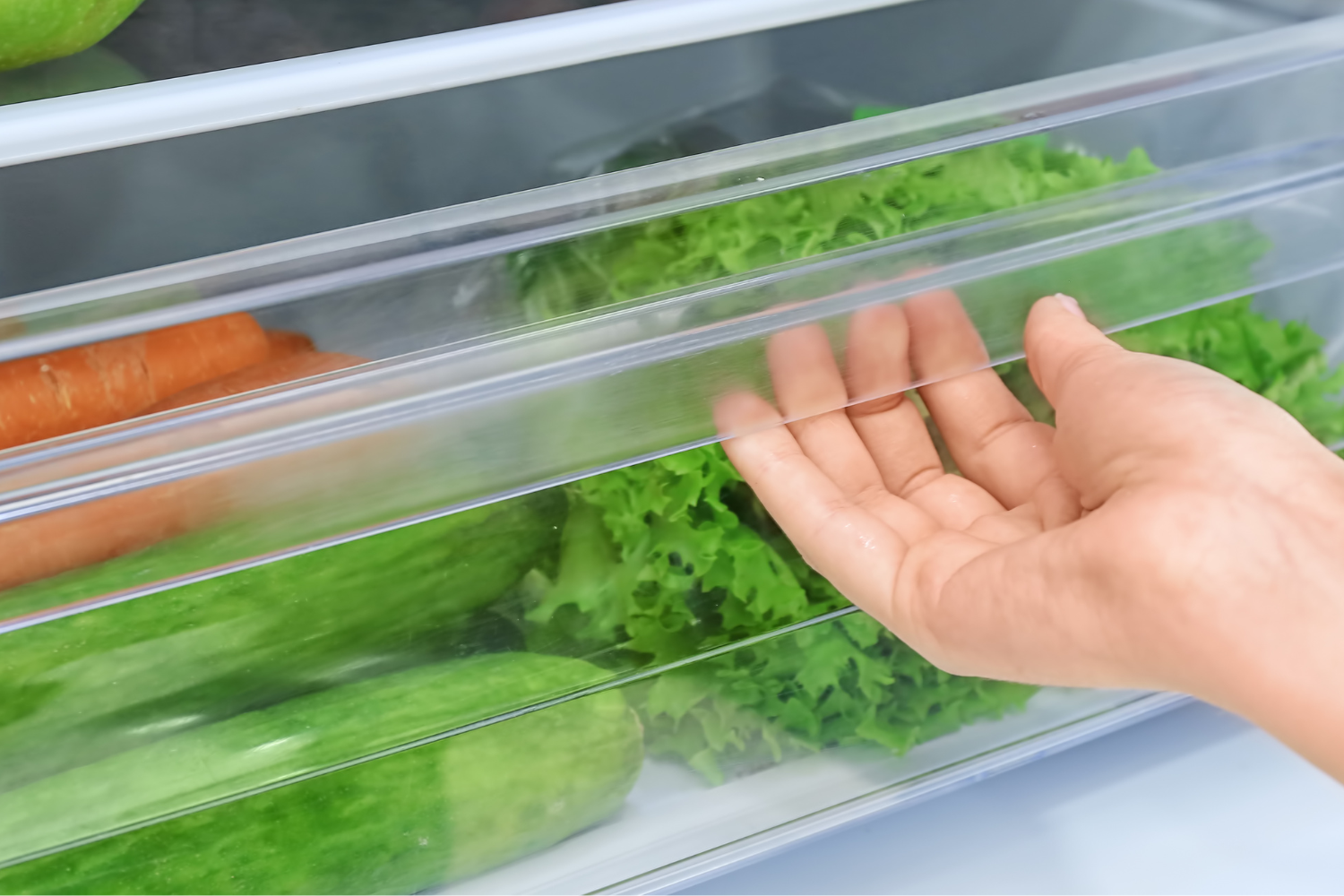
How Cold Should Beverage Centers Be?
You can usually set a beverage center based on what you plan to store, as long as perishable foods stay within safe refrigeration temperatures. Current Sub-Zero Designer undercounter beverage centers have a temperature range of 34°F to 55°F (1°C to 13°C).That wider range allows more flexibility than a standard refrigerator. It is one reason homeowners searching for a sub-zero mini fridge may find that an undercounter refrigerator or beverage center better matches the intended use.Wine Cooling Range
Wine temperature depends on whether the goal is long-term storage or serving. Dedicated Sub-Zero wine-storage products currently operate within a range of about 40°F to 65°F, depending on the model.Sub-Zero has also stated that around 55°F is an appropriate general temperature for storing wine, while serving preferences vary by wine type.A beverage center and a dedicated wine-storage unit are not the same appliance, so check the specific model before choosing a setting for a wine collection.Beer and Soft Drinks
Beer, soda, sparkling water, and similar drinks can be kept in the colder portion of the beverage center’s range, depending on personal preference. The current Designer Undercounter Beverage Center allows settings from 34°F to 55°F.For drinks alone, the exact temperature is largely a matter of preference. If the same unit also contains perishable food, keep the compartment at 40°F or below.Specialty Beverages
Juice, mixers, bottled water, and other specialty drinks may have different storage instructions. Check the package when a product requires refrigeration after opening.A beverage center can accommodate a wider range of preferences, but food-safety rules still apply to drinks containing dairy or other perishable ingredients.FACTORY-CERTIFIED APPLIANCE REPAIR
Luxury Appliance Trouble? Get Expert Help Fast.
From premium refrigeration to high-end kitchen appliances, our factory-certified team delivers trusted diagnosis and repair with the professionalism your home deserves.
Why Does Temperature Precision Matter?
Temperature precision matters because food safety, texture, beverage quality, and appliance operation all depend on consistent cooling. Sub-Zero states that current refrigeration systems are designed to maintain temperatures close to the selected set point under normal conditions.Small temporary changes can still occur after the door opens or when room temperature and humidity change.Food Safety Standards
Perishable food should stay at 40°F or below. Temperatures above that point can allow bacteria associated with foodborne illness to multiply more rapidly.Using an appliance thermometer can help confirm the actual compartment temperature rather than relying solely on how cold food feels. The Food and Drug Administration recommends checking refrigerator temperatures periodically.Flavor and Texture Protection
A refrigerator that is too warm can shorten useful storage time, while an excessively cold compartment may freeze foods that were meant to stay refrigerated.Produce is often where an overly cold setting becomes noticeable first. Frozen leafy vegetables, icy drinks, or partially frozen dairy products can signal that the setting or airflow needs attention.Energy Efficiency
A stable temperature setting gives the refrigeration system a consistent target rather than requiring repeated manual adjustments. Current Sub-Zero beverage centers also use precise temperature controls and door seals designed to maintain the set point while conserving energy.Avoid lowering the temperature simply because colder seems better. Use the setting that suits the contents and allows the appliance to stabilize before making another adjustment.What Are the Recommended Settings?
Recommended settings depend on the appliance and what you’re storing. Use these figures as practical starting points, then confirm the available range in the owner’s guide for the exact model:- Refrigerator drawers: Start around 38°F (3°C) for everyday refrigerated foods.
- Meat and seafood: Keep the refrigerator at 40°F (4°C) or below and follow safe storage times rather than relying on colder temperatures alone.
- Dairy and everyday perishables: A setting around 38°F (3°C) provides normal refrigeration while staying below the federal food-safety recommendation of 40°F.
- Beverage centers: Current Designer undercounter models can be adjusted from 34°F to 55°F (1°C to 13°C) depending on what is stored.
- Dedicated wine storage: Current Designer undercounter wine models operate from 40°F to 65°F (5°C to 18°C), with individual settings chosen for the wine and intended use.
- Freezer compartments: A Sub-Zero freezer is normally set to 0°F (-18°C).
How Do I Adjust Sub-Zero Wolf Refrigerator Settings?
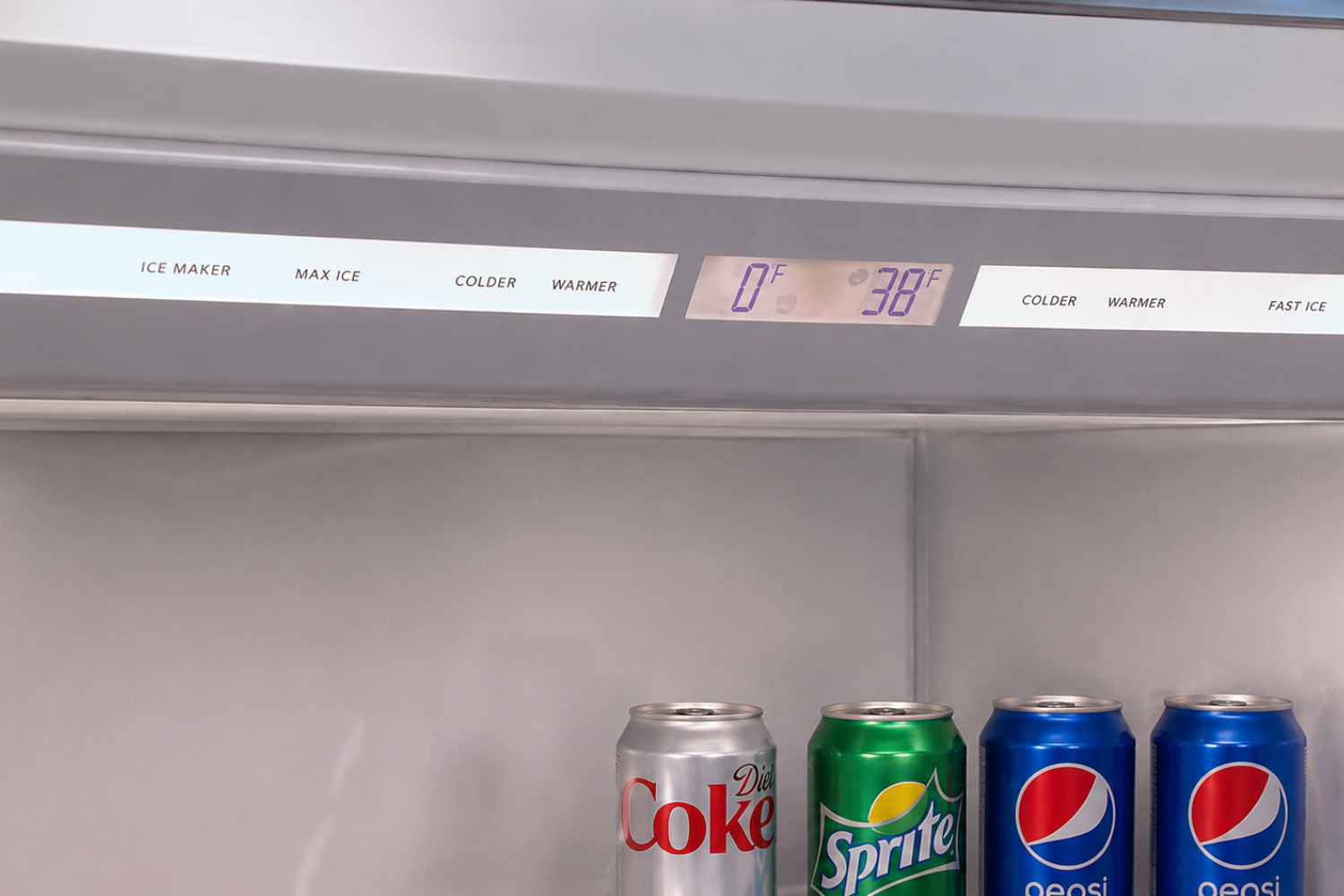
Temperature settings on Sub-Zero Wolf refrigeration are adjusted via the appliance controls, though the exact process varies by Sub-Zero model, age, and product family. Current Sub-Zero electronic controls allow precise temperature changes, while some older units use manual dials. Give the appliance time to respond after making a change. Sub-Zero recommends allowing about 24 hours for the compartment to reach a new set temperature.Digital Control Panel
On current electronic models, touch the displayed temperature or use the warmer and colder controls, depending on the product. Changes are generally made in one-degree increments.Some current undercounter models also support remote temperature control through the Sub-Zero Owner’s App.Manual Dial Options
Manual temperature dials are mainly found on older Sub-Zero products, not on current refrigeration drawers. Sub-Zero identifies older 200, 300, and 500 Series products as examples that use dial controls.For those units, Sub-Zero generally recommends a dial position between 4 and 6, with 1 being warmer and 10 colder. Check the model information before adjusting an older unit.Calibration Tips
After changing the temperature, wait about 24 hours before judging the result. Opening the door frequently during that period can affect how quickly the compartment stabilizes.An appliance thermometer can provide a second temperature reference. If the measured temperature remains far from the set point after the unit has stabilized, professional diagnosis may be more useful than repeatedly changing the controls.Can Incorrect Settings Cause Problems?
Yes. Incorrect temperature settings can leave food too warm, cause some refrigerated items to freeze, or make it difficult to judge whether the appliance is cooling normally.A temperature problem that persists despite a correct setpoint may indicate an issue beyond the controls.Spoilage Risks
Food stored above 40°F can enter a temperature range where harmful bacteria grow more quickly. If a Sub-Zero refrigerator is consistently warmer than the selected setting, confirm the actual temperature and investigate the cause.Handle food that has remained too warm according to current food-safety guidance, rather than judging it only by smell or appearance.Frozen Produce Issues
A setting that is too cold can cause water-rich foods to freeze, which can affect their texture upon thawing. If produce repeatedly develops ice crystals or frozen spots, check the set point before assuming the unit has failed.Also check how food is arranged. Items placed in unusually cold areas may respond differently from food stored elsewhere in the compartment.Increased Energy Use
Repeated door openings, warm room conditions, and temperature fluctuations can affect refrigerator temperatures and the amount of work the appliance must do to return to the set point. Sub-Zero notes that open doors, humidity, and room temperature can all cause normal fluctuations.Keep doors closed when possible and avoid making repeated temperature adjustments within a short period.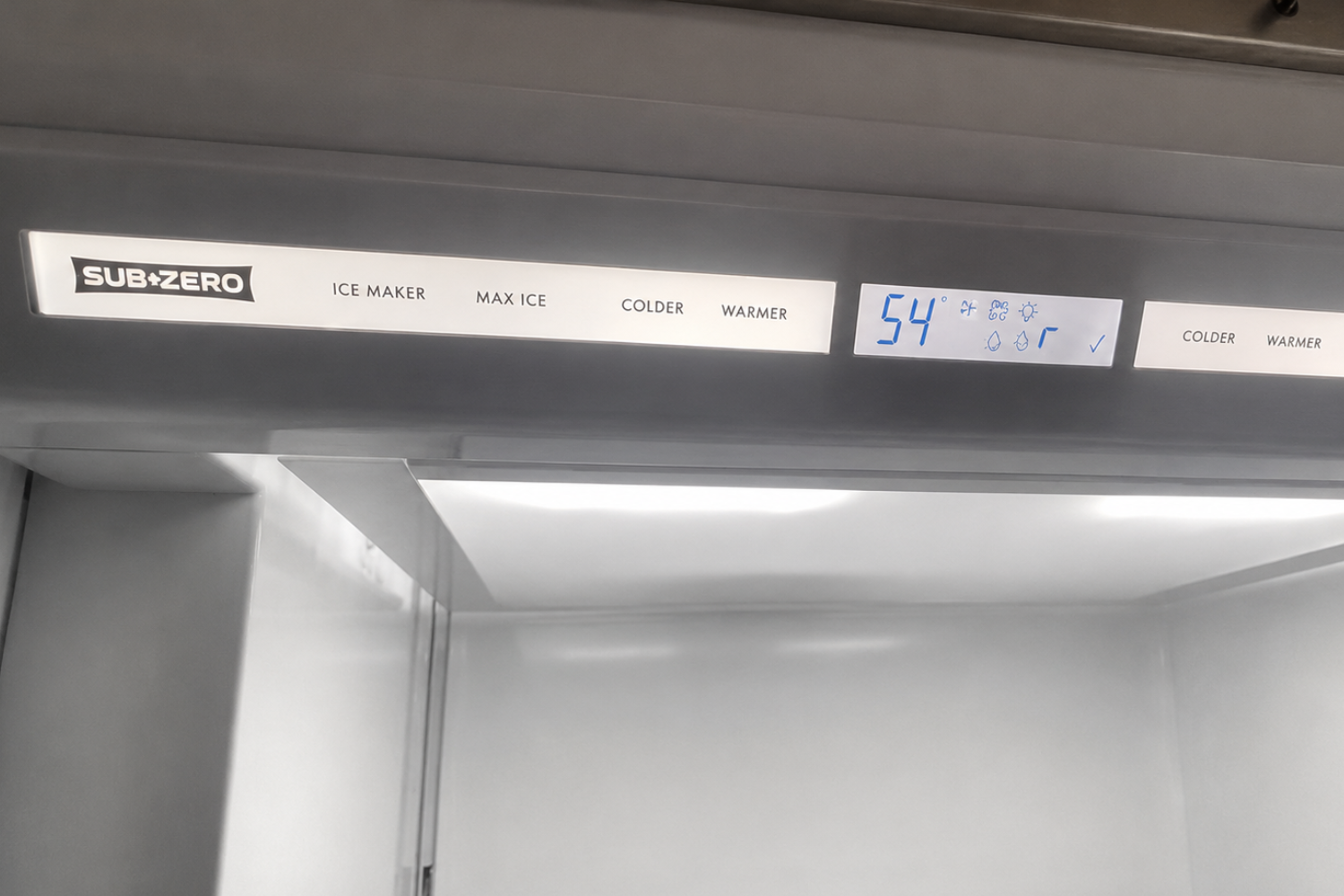
Should I Schedule Professional Maintenance?
Professional service is warranted when temperatures remain unstable after basic checks, the controls are unresponsive, or the unit cannot reach its selected setting. Wilshire Refrigeration provides service for Sub-Zero Wolf appliances, including luxury refrigeration and cooking equipment.Performance Optimization
A service technician can check actual temperatures, door sealing, airflow, condenser condition, fans, controls, and other components when cooling does not match the selected setting.This can help determine if the issue is a simple setting problem or a mechanical concern requiring repair.Longevity of Appliances
Regular care can help keep a premium refrigeration system operating as intended. Cleaning, temperature checks, and early attention to unusual cooling behavior are especially useful for built-in appliances that are used daily.The same approach applies across Wolf appliances, Wolf kitchen appliances, and the related Sub-Zero refrigeration products installed in a coordinated luxury kitchen, although maintenance requirements differ by appliance type.Expert Troubleshooting
Call for professional service if temperature problems persist beyond a normal stabilization period, the control panel stops responding, error codes appear, or the unit cannot keep perishable food at a safe temperature.Wilshire Refrigeration provides Sub-Zero troubleshooting and repair services for cooling problems that go beyond normal temperature adjustment.Lorem ipsum dolor sit amet, consectetur adipiscing elit. Ut elit tellus, luctus nec ullamcorper mattis, pulvinar dapibus leo.FACTORY-CERTIFIED APPLIANCE REPAIR
Luxury Appliance Trouble? Get Expert Help Fast.
From premium refrigeration to high-end kitchen appliances, our factory-certified team delivers trusted diagnosis and repair with the professionalism your home deserves.
Frequently Asked Questions
What is the ideal temperature for Sub-Zero refrigerator drawers?
For Sub-Zero refrigerator drawers, the recommended starting temperature for general food storage is about 38°F.
How cold should a Sub-Zero beverage center be set?
Sub-Zero Designer undercounter beverage centers can be set between 34°F and 55°F, so the best setting depends on the beverages being stored.
Can wine and beer be stored together in a beverage center?
They can share a beverage center when one temperature suits both, but dedicated Sub-Zero wine storage offers a wider range of settings and separate zones on certain models.
Do Sub-Zero refrigerators have separate temperature zones?
Some Sub-Zero refrigeration models offer separate temperature zones depending on the product configuration.
How often should Sub-Zero refrigerator settings be checked?
Check the temperature periodically and whenever food seems unusually warm or frozen, using an appliance thermometer to confirm that perishable food stays at 40°F or below.