You just spent a solid hour scrubbing the kitchen until it sparkles. Then you go to boil some water for pasta, and nothing happens. Dealing with a gas stove that won’t light right after cleaning can wipe out that feeling of a job well done. A stove that worked fine yesterday can suddenly act up when moisture or cleaning residue reaches the igniter, burner ports, or cap alignment.
Many fixes start with drying and reseating parts, and most do not require special tools. If clicking continues when the stove is off, or any gas odor is present, pause troubleshooting and focus on safety. Wilshire Refrigeration & Appliance can inspect the ignition system and address faults that are not resolved by drying and basic cleaning.
Why Burners Often Won’t Light Right After Cleaning
After cleaning, burners may not light because moisture or cleaning residue interferes with the spark or restricts the tiny gas ports. When water or degreaser collects around the burner base, ignition timing can be affected. Below are common ways cleaning can cause a temporary lack of light or a weak-light issue.
A Wet Igniter Can Short the Spark
The igniter or spark electrode sits near the burner and needs a clean, dry gap to spark reliably. When moisture collects around the ceramic base or nearby metal surfaces, the spark can ground out instead of jumping where it is needed. The result can be constant clicking with no flame, or a delayed ignition until the area dries.
Water or Cleaner Residue Can Block Burner Ports
The heavy-metal ring under your burner cap features dozens of tiny slits, called ports. Thick baking soda pastes or soapy water easily pool inside these tiny openings during a deep scrub. If gas flow is restricted at the ports, the spark may click, but the burner may not light or light unevenly.
Burner Caps and Rings May Be Slightly Mis-Seated
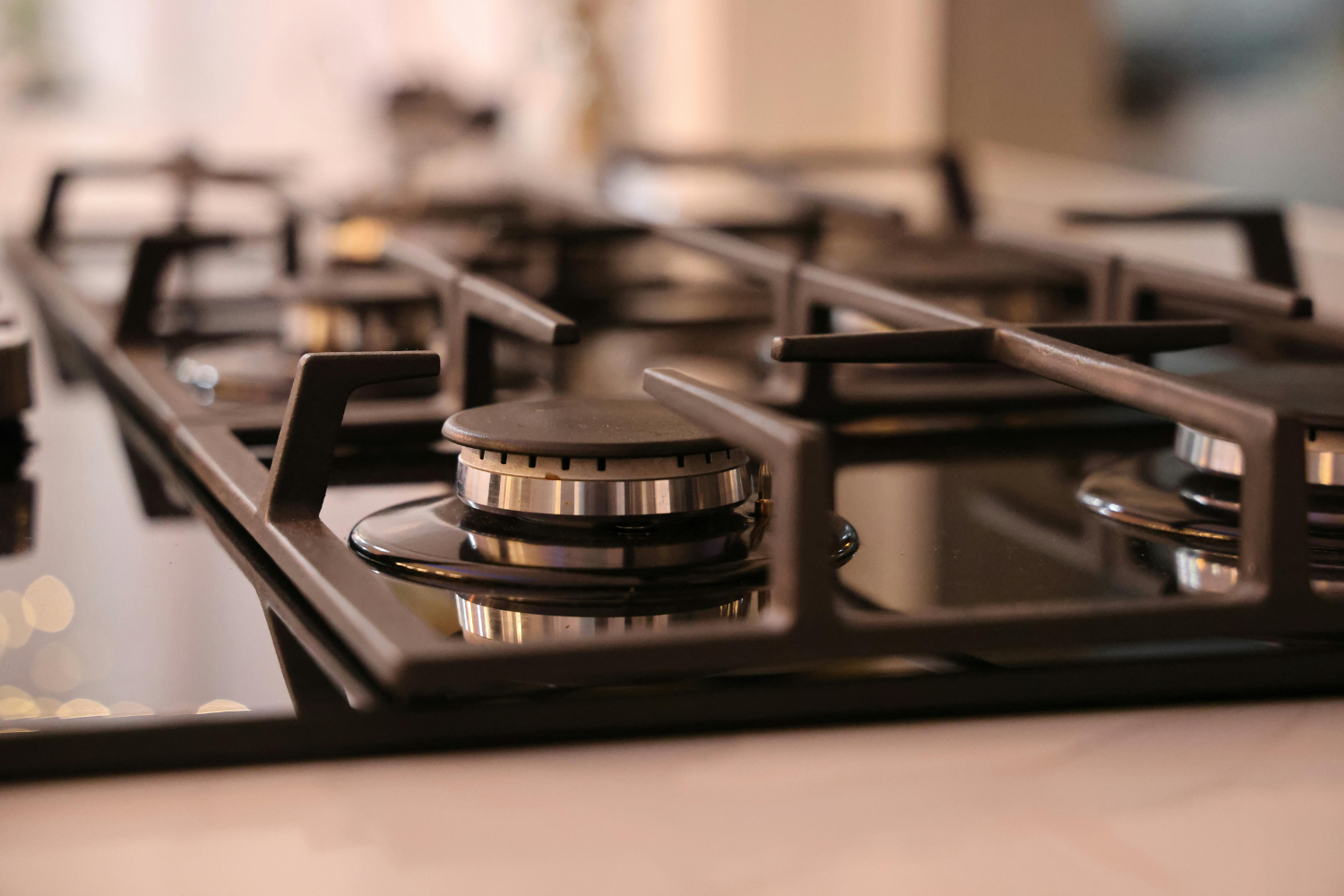
You have to remove the heavy metal caps and rings to clean underneath them properly. Putting a cap back slightly off-center can disrupt gas flow and prevent the spark from consistently catching. This minor physical misalignment prevents successful ignition and can cause the flame to sputter unevenly if it does light.
Quick Checklist Before You Do Anything Else
Running through a quick visual inspection helps you spot obvious alignment and moisture problems before you try taking anything apart. Taking two minutes to check your work solves the issue without any extra physical effort in many cases.
- Confirm the burner cap and ring sit flat and centered on the burner base.
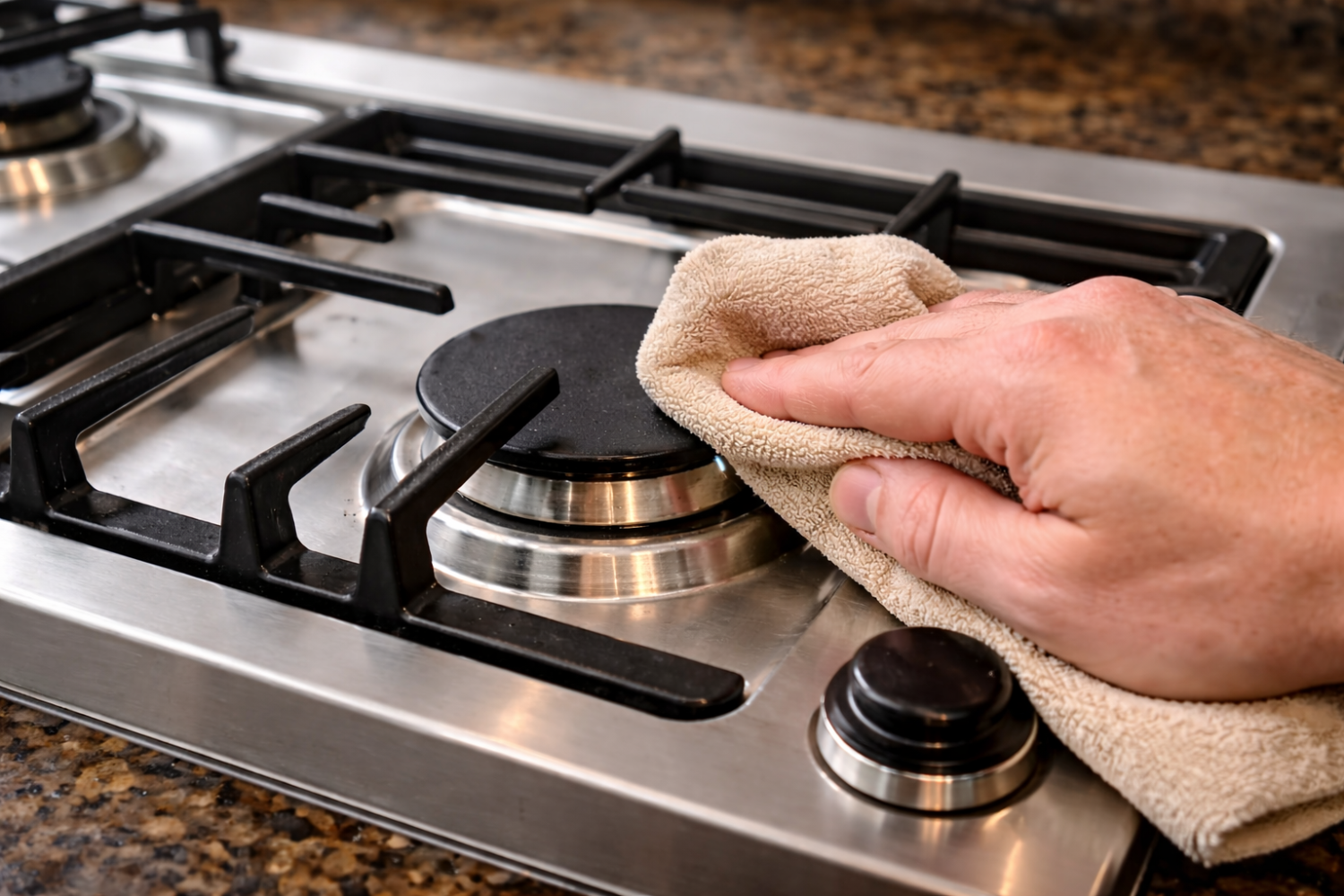
- Wipe away visible moisture from caps, rings, and the area around the igniter or electrode.
- Allow time for drying before retesting, as reassembly while damp can trap moisture.
Turn the knob off if clicking continues for about 10 seconds without ignition. Wait one full minute before retrying. Stop troubleshooting and step away if any gas odor is noticed at any point.
Safe Steps To Dry Out a Gas Burner That Won’t Light
Drying a damp burner takes patience and a gentle touch. The goal is to remove moisture without damaging the ceramic igniter or electrode. Avoid removing panels or accessing internal wiring.
- Turn the burner knob off and allow time for any lingering gas to clear. Wait at least one full minute before another lighting attempt.
- Remove the heavy grates, the burner caps, and the rings. Set them securely on a dry towel on your counter. Gently blot any visible moisture pooling around the burner base and the igniter area using a dry microfiber cloth or a paper towel.
- Let the entire stovetop air-dry thoroughly. The exact time varies based on how much water got inside. Wait until the burner area feels dry to the touch before testing again.
- You can optionally use a handheld hairdryer on the lowest, coolest setting to speed up drying. Keep airflow moving and avoid high heat near knobs, seals, or wiring.
- Reassemble all the pieces carefully. Double-check that the caps sit flat and centered before you test the ignition again.
Gas Stove Clicking but Not Lighting After Cleaning
A gas stove clicking but not lighting often means the ignition system is firing, but moisture, residue, or misalignment is preventing a clean light. Clicking confirms the system is attempting to spark, but the burner still needs clear gas ports and correct cap placement for ignition.
Focus on drying the igniter area, clearing residue from burner ports, and reseating caps and rings before testing again.
Clear Residue From Burner Holes Without Damaging Ports
Grab a stiff nylon brush or a wooden toothpick to gently clean out the tiny grooves around the burner ring. Apply very light pressure to push out any hardened food or dried cleaning paste. You should never use a metal needle or a drill bit. Scratching or altering the size of burner ports can affect flame shape and performance.
Reseat the Burner Cap and Ring, Then Retest
Lift the cap and ring, then place them back in position so the edges align with the burner base. On many models, the cap will sit steady when correctly seated. If alignment is off, the spark may click without catching, or the flame may look uneven. If the burner lights but the flame appears inconsistent or yellow, turn it off and recheck placement and port cleanliness.
Gas Stove Clicking When Off (After Cleaning)
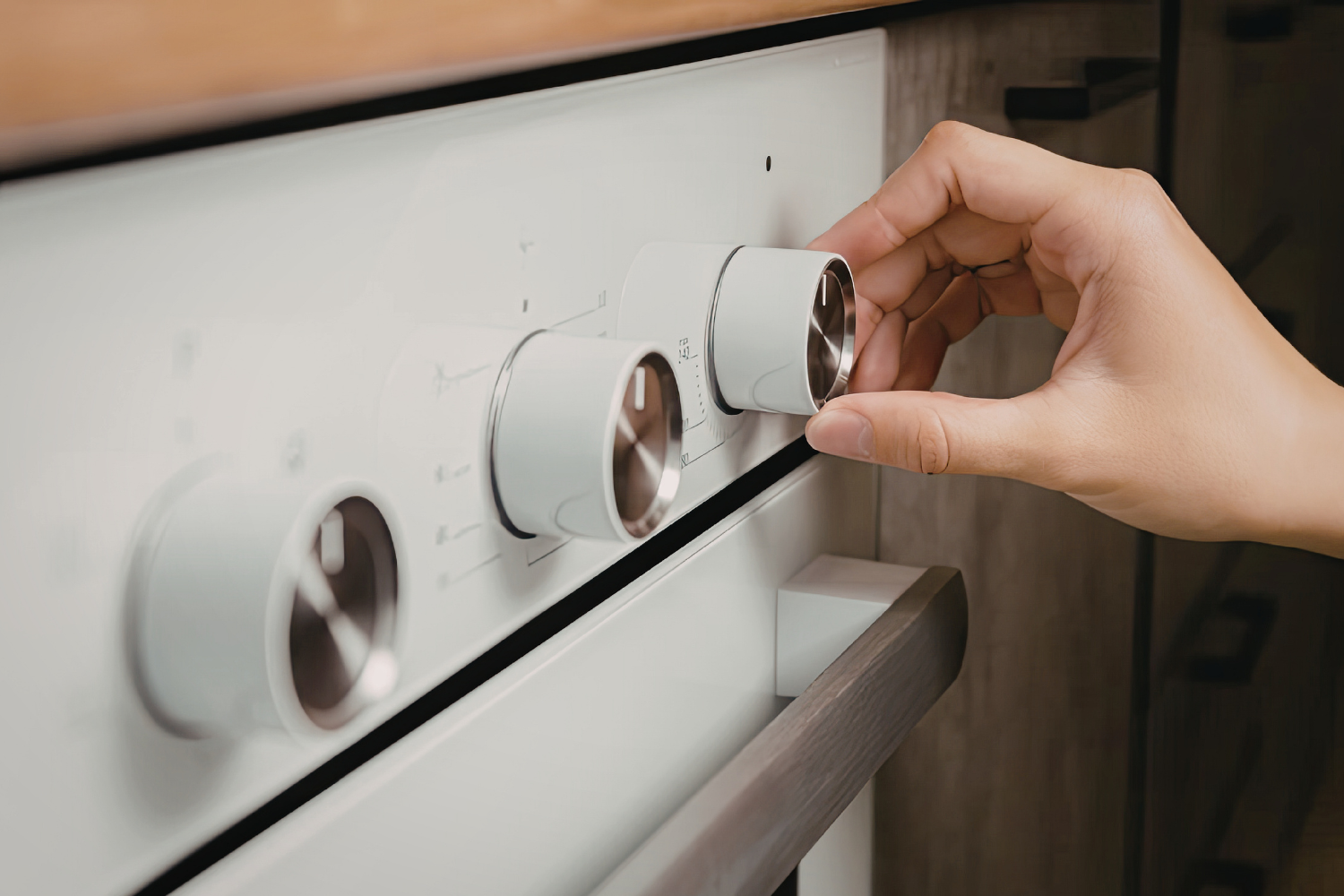
Clicking when the stove is off can occur when moisture reaches the ignition switch area, triggering continued sparking. Water around the control knob area can cause the switches to stick or short temporarily.
What to Do Immediately
First, confirm all burner knobs are in the off position. If clicking continues, temporarily cut power to the range at the home circuit breaker so the switches can dry without sparking. Once the area is dry, restore power and check whether clicking has stopped.
When This Is No Longer a DIY Situation
Sometimes the water damage goes a bit too deep for a simple air-dry session. You need to call for help if clicking returns repeatedly after the power is restored. It is also time to step back if sparks unexpectedly appear across multiple burners. Professional service is recommended if clicking returns repeatedly, sparks appear unexpectedly across multiple burners, any gas odor is noticed, or a burning smell is present.
Frequently Asked Questions
Why is my gas stove clicking when off?
Moisture in the control switch area can cause continued clicking even when the knobs are off.
How do I fix a gas stove that won’t light but keeps clicking?
Allow the burner area to dry fully, clear any residue from the burner ports, reseat the caps flat, and then test ignition again.
Why won’t my gas burner light after cleaning?
A burner may not light after cleaning if moisture or residue blocks the burner ports or interferes with the spark at the igniter.
What causes a gas stove igniter not to spark at all?
No spark can be caused by a power issue, moisture grounding the spark, or a failed switch or ignition component that may need service testing.
How long does it take for a wet gas stove to dry out?
Drying time depends on how much moisture reaches the burner area. Air-drying helps, and a hairdryer on the lowest setting can speed drying when used carefully.
Is It Time to Let an Expert Look at Your Luxury Range?
Drying the burner area, clearing residue, and reseating caps and rings can resolve many ignition problems after cleaning. Moisture in the wrong spot is common and often improves once parts dry fully.
Gas and electricity require caution. If clicking persists, ignition becomes erratic, or any gas odor is noticed, stop troubleshooting, turn off the power at the breaker, and schedule service.
Wilshire Refrigeration can inspect the ignition system, identify the cause, and recommend the safest repair path.