Quick Navigation
Table of Contents
Click To Expand
Quick Navigation
Table of Contents
Click To Expand
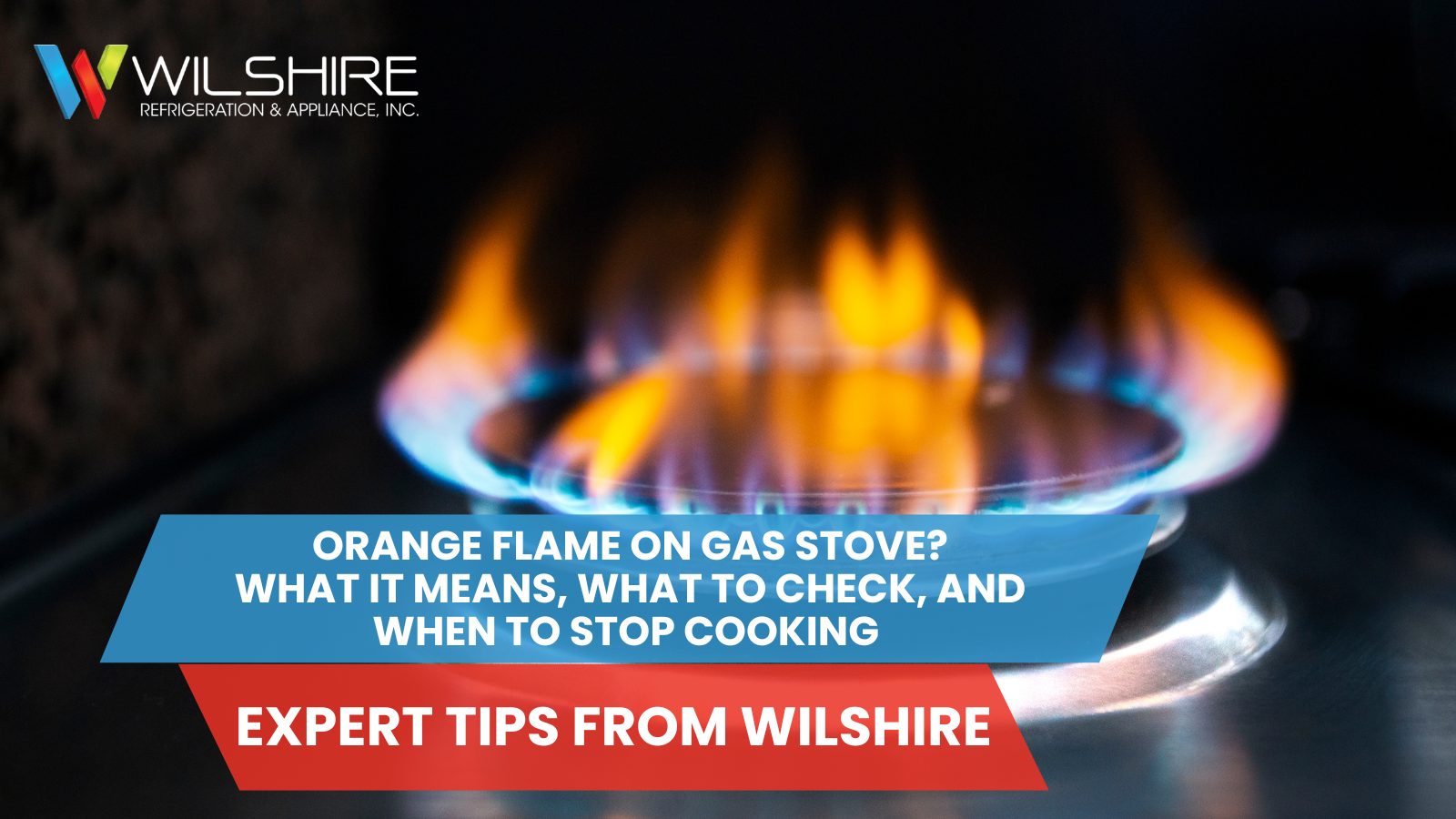
Turning on your range to cook dinner and seeing a bright orange flame on your gas stove can be incredibly alarming. A healthy gas burner should always produce a crisp, steady blue flame. A sudden color change usually means the burner is struggling to burn the gas cleanly.
This issue might be caused by something as simple as high indoor humidity, trapped food debris, or a misplaced burner cap. However, a steady orange or yellow flame can also point to a much more serious gas-air mixture problem that requires professional attention.
If the flame stays discolored, you must stop using the burner immediately and have the appliance checked by the factory-trained experts at Wilshire Refrigeration.
FACTORY-CERTIFIED APPLIANCE REPAIR
Luxury Appliance Trouble? Get Expert Help Fast.
From premium refrigeration to high-end kitchen appliances, our factory-certified team delivers trusted diagnosis and repair with the professionalism your home deserves.
Why Is the Flame on My Gas Stove Orange?
An orange gas stove flame usually indicates that the fuel is not burning completely or that foreign particles are entering the flame. Check these common causes first:- Your burner ports may be dirty or blocked: Grease, burnt crumbs, and spillovers can clog the tiny holes where gas exits the burner. This blocks airflow and creates an uneven orange flame.
- The burner cap may not be sitting correctly: Burner caps can shift after cleaning or cooking. If the cap is uneven or misplaced, gas cannot flow smoothly, and the flame may turn orange.
- Moisture or cleaning residue may be burning off: Wet burner parts, leftover cleaner, or small water droplets can cause a temporary orange flame until the residue burns off completely.
- A nearby humidifier may be affecting the flame: Cool-mist humidifiers can release tiny mineral particles into the air. When the burner pulls those particles into the flame, the color may turn orange.
- The stove may have the wrong gas orifices: Ranges converted between natural gas and liquid propane need the correct internal parts. Wrong gas orifices can throw off pressure and disrupt proper combustion.
- The gas-air mixture may be off: A steady blue flame needs the right balance of oxygen and fuel. If the mixture is wrong, a certified technician should safely recalibrate the internal valves.
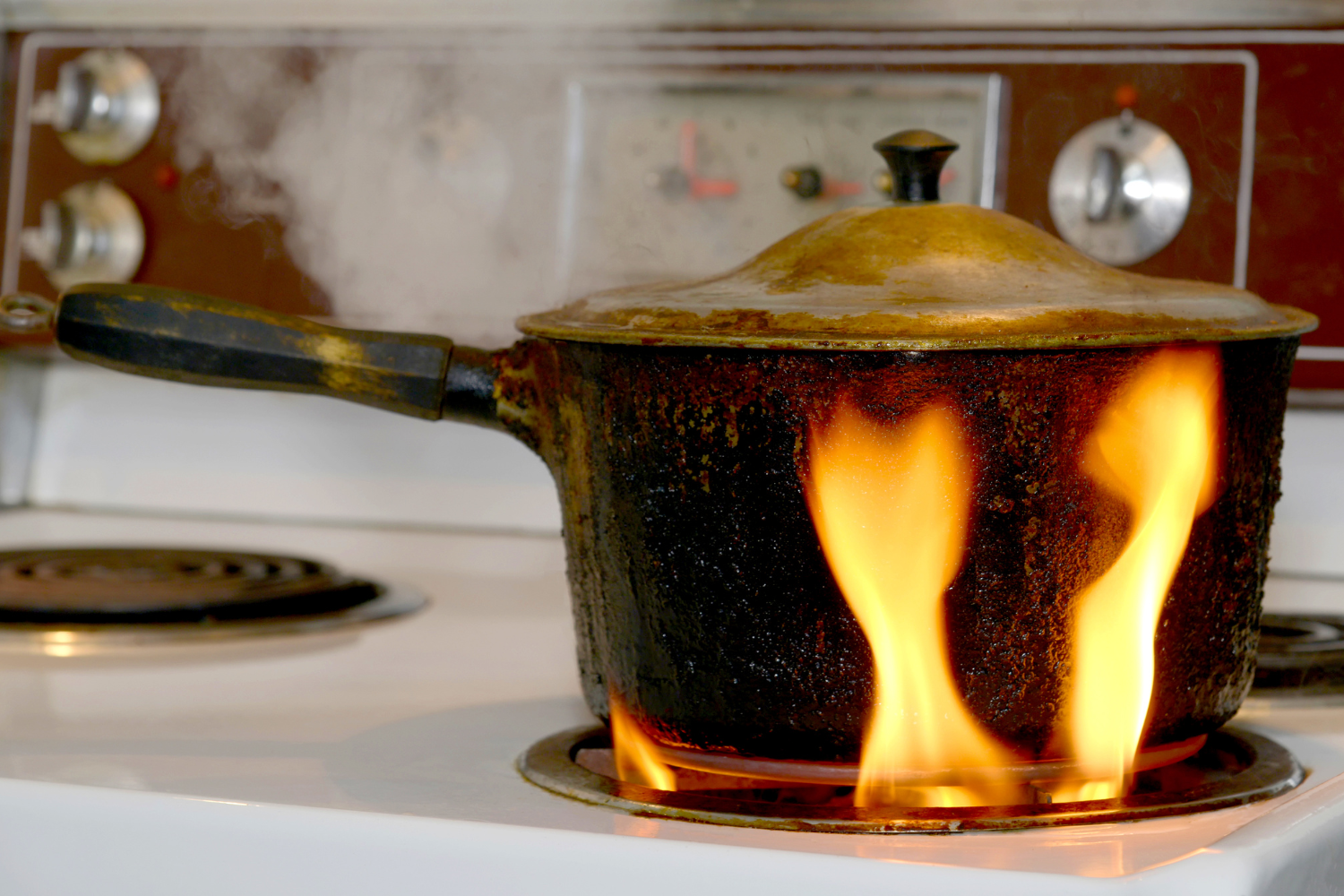
Is an Orange Flame on a Gas Stove Dangerous?
Homeowners often worry and ask, is an orange flame on a gas stove dangerous for a household? The answer depends entirely on how the flame behaves and how long it lasts. Understanding the clear difference between a harmless flicker and a toxic burn keeps your home safe.A Brief Orange Flicker Is Different From a Steady Orange Flame
A quick, random orange flicker at the tip of a blue flame is usually just burning dust and is not serious. However, a completely steady orange or yellow flame indicates the unit is oxygen-starved and needs immediate attention.Orange Flames Can Point to Incomplete Combustion
Incomplete combustion creates toxic carbon monoxide inside your home. This invisible, odorless gas is incredibly dangerous. Health and safety experts list headaches, dizziness, weakness, upset stomach, vomiting, chest pain, and severe confusion as common symptoms of carbon monoxide exposure.Stop Using the Stove If You See Soot, Smell Gas, or Feel Sick
You must prioritize health above all else. Turn the appliance off immediately and leave the area if you smell raw gas, notice black soot on your pots, or start feeling physically ill.How to Fix an Orange Flame on a Gas Stove Safely?
Knowing exactly how to fix an orange flame on a gas stove involves safe, basic surface cleaning. You should never attempt to take the internal gas pipes apart yourself. Follow these simple steps to safely clear common blockages.Turn Off the Burner First
Stop your cooking preparations immediately. Turn the burner knob to the off position to stop the gas flow completely.Let the Stove Cool Completely
Metal grates hold intense heat long after the fire is gone. You must let the entire stovetop cool completely to the touch to prevent severe burns.Clean the Burner Ports Gently
Remove the cap and look for hidden food debris. Use a soft brush or a clean toothbrush to gently scrub the grease away from the small gas ports.Dry the Burner Parts Before Reusing Them
Moisture heavily affects both the flame color and the electronic ignition system. Wipe all the parts with a dry microfiber cloth before putting them back together.Place the Burner Cap Back Correctly
Set the metal cap back onto the burner base. Make sure it sits perfectly flat and matches the correct burner size so the gas flows evenly.Test the Flame for a Few Seconds
Turn the burner back on briefly to check your work. Stop using the stove and call a professional if the fire stays orange.FACTORY-CERTIFIED APPLIANCE REPAIR
Luxury Appliance Trouble? Get Expert Help Fast.
From premium refrigeration to high-end kitchen appliances, our factory-certified team delivers trusted diagnosis and repair with the professionalism your home deserves.
What Does It Mean If the Orange Flame Is on All Burners?
Seeing an orange flame on all burners of a gas stove at the exact same time usually indicates an environmental issue rather than a dirty part. When every single burner acts up, the problem affects the entire air supply or the main gas line. You will need to look closely at your surrounding kitchen environment.It May Be a Humidity or Air Quality Issue
If every flame turns orange simultaneously, your indoor air quality is likely the culprit. A running humidifier, strong cleaning products, heavy construction dust, or airborne minerals are actively affecting the fire.It Could Be a Gas Supply or Pressure Issue
The issue likely goes beyond the surface burners if the flames stay orange after you clean the parts and turn off the humidifier. A severe drop in pressure from your main gas supply line prevents proper combustion.It May Point to a Ventilation Problem
Gas stoves naturally produce indoor nitrogen dioxide during heavy use. Poor kitchen ventilation traps these indoor pollutants and significantly reduces the oxygen available for a clean burn.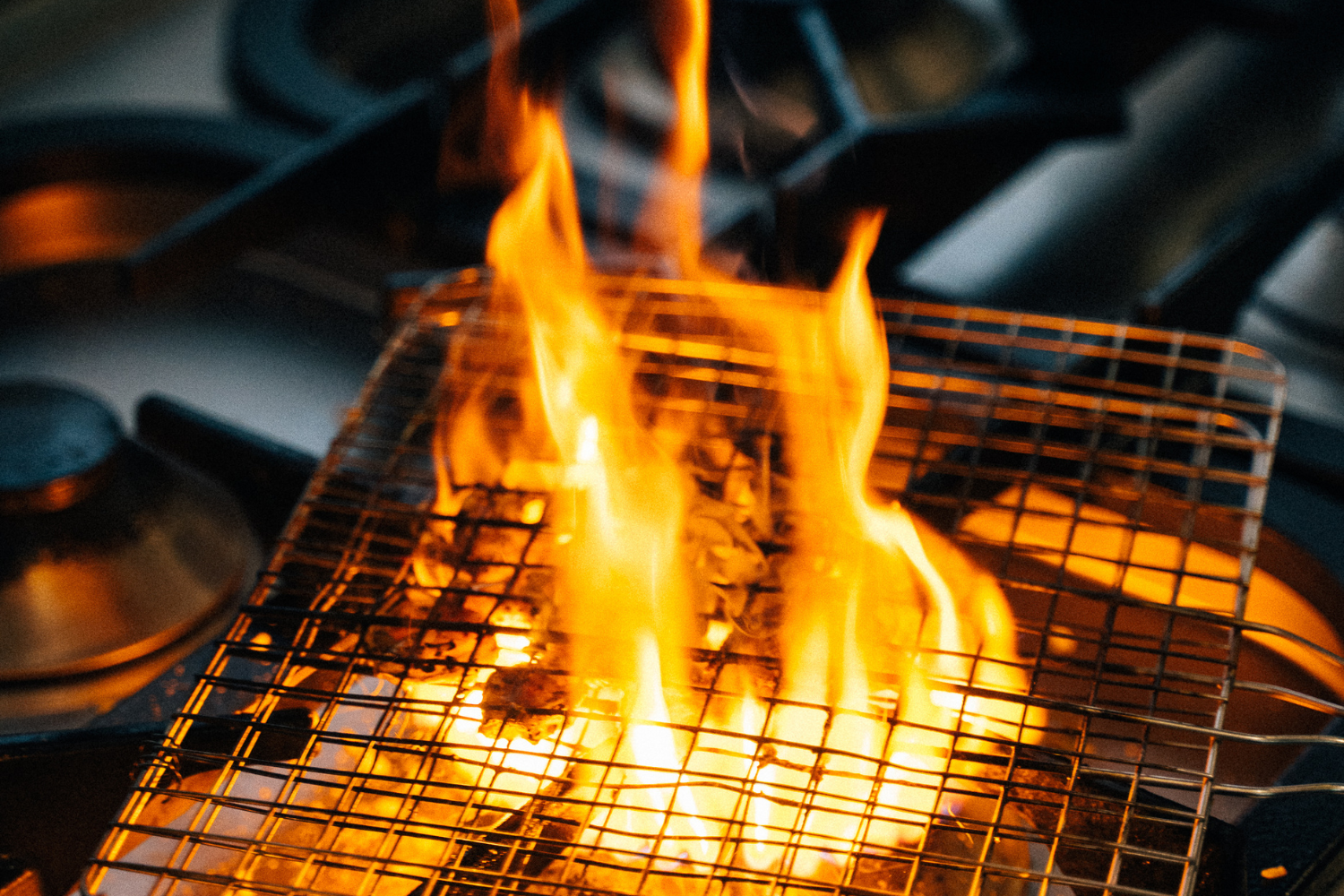
What Should You Not Do When Your Gas Stove Flame Is Orange?
Taking dangerous shortcuts will instantly turn a minor appliance issue into a massive household emergency. You must follow strict safety rules when dealing with any gas-powered kitchen equipment. Avoid these dangerous mistakes at all costs.Do Not Keep Cooking With a Steady Orange Flame
Pushing through the problem just to finish your meal is incredibly risky. Continuing to cook with a steady orange flame pumps dangerous carbon monoxide straight into your breathing space.Do Not Adjust Gas Lines, Regulators, or Orifices Yourself
Internal gas repairs require specialized tools and strict safety protocols. Leave complex valve adjustments and regulator calibrations to certified professionals to prevent massive gas leaks.Do Not Ignore Carbon Monoxide Alarms
Home safety alarms are your last line of defense against toxic gas. You must evacuate the home immediately and call emergency services if a carbon monoxide detector sounds.When Should You Call Wilshire for Gas Stove Repair?
Basic surface cleaning can address many common flame discoloration issues, but deeper gas-flow or combustion problems require professional service. Call Wilshire Refrigeration for gas stove repair if:- The flame stays orange after cleaning: Stubborn discoloration may indicate that the oxygen-and-gas mixture is not balanced properly. A certified technician can safely test and recalibrate the internal valves.
- All burners have orange flames: If all burners are affected, the issue may involve the main gas flow, internal air shutters, or a broader fuel delivery problem.
- Your range was recently installed or converted: A new range with orange flames may have been installed incorrectly or improperly converted from propane to natural gas.
- You own a luxury gas range: High-end ranges require careful service to protect advanced features, precise burner performance, and brand-specific components.
- The flame looks unstable or burns unevenly: Flickering, lifting, sputtering, or weak flames can point to a deeper combustion issue that should not be ignored.
FACTORY-CERTIFIED APPLIANCE REPAIR
Luxury Appliance Trouble? Get Expert Help Fast.
From premium refrigeration to high-end kitchen appliances, our factory-certified team delivers trusted diagnosis and repair with the professionalism your home deserves.
Frequently Asked Questions
Why is the flame on my gas stove orange?
The flame on your gas stove is likely orange because of dirty burner ports, a misplaced cap, high indoor humidity, or a poor gas-to-air mixture.
Is an orange flame on a gas stove dangerous?
Yes, a steady orange flame is dangerous because it indicates incomplete combustion that can release toxic carbon monoxide into your home.
How do I fix an orange flame on a gas stove?
You can fix an orange flame by turning off the stove, letting it cool, gently cleaning the burner ports, and ensuring the cap sits flat.
Why are all burners on my gas stove orange?
All burners turning orange usually points to a high-humidity environment, a running humidifier, or a severe drop in your main gas supply pressure.
Should I call a technician for an orange flame on an orange gas stove?
You should call a technician immediately if the flame stays steady orange or yellow after you have thoroughly cleaned and dried the surface parts.