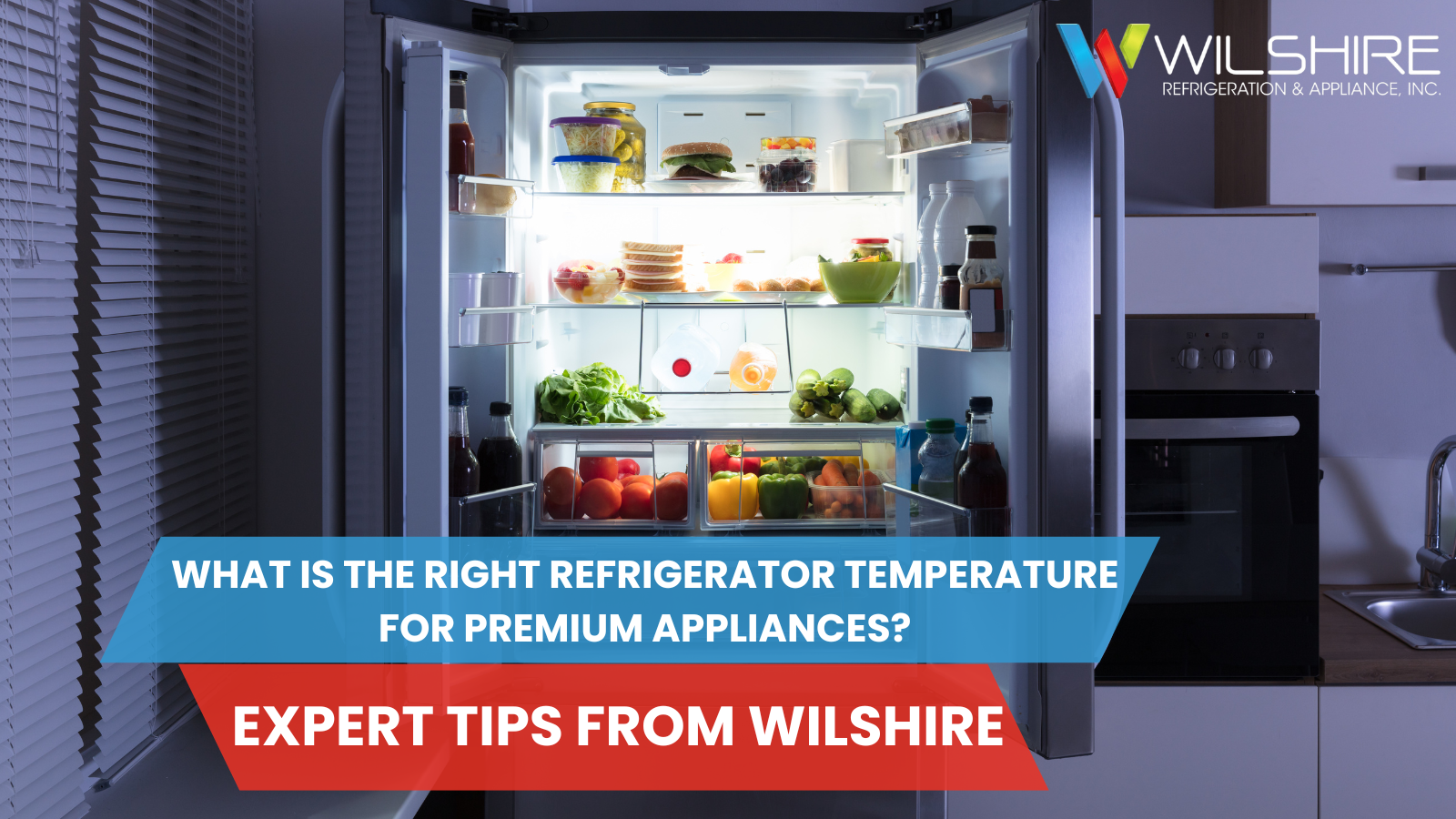
A refrigerator that cannot hold the right temperature can disrupt your kitchen routine faster than most people expect. When the refrigerator temperature slips out of range, food quality drops, and cooling becomes uneven, which often leads to bigger issues inside the appliance. Many owners of Sub-Zero, Wolf, Miele, Thermador, and other high-end brands want clear guidance on how cold a refrigerator should be and which settings help keep their unit stable throughout the day.
Wilshire Refrigeration and Appliance supports homeowners across Southern California and Las Vegas with factory-certified service for premium systems. Their technicians understand ideal cooling ranges and how to maintain accurate temperature control in luxury appliances.
Knowing how to set and manage the right refrigerator temperature keeps your appliance reliable, efficient, and ready to perform the way it was designed to.
What Temperature Should Your Refrigerator Be?
Finding the correct refrigerator temperature helps keep food fresh and gives the cooling system a steady environment to work in. Premium refrigerators are built to hold consistent temperatures, which helps reduce strain on the system and improves long-term performance. Once you understand the ideal range, setting and maintaining accurate cooling becomes much easier.
How Cold Should a Refrigerator Be?
Setting your refrigerator temperature below 40 degrees Fahrenheit helps protect food quality and prevents warm spots from forming. The U.S. Department of Agriculture (USDA) notes that keeping food at 40 degrees Fahrenheit or below slows bacterial growth and supports safer long-term storage.
High-end refrigerators use advanced compressors and sensors to hold this temperature more consistently than standard units. Their systems adjust airflow and cooling output throughout the day, which helps reduce swings and keeps the fridge temperature steady.
How Cold Should a Freezer Be?
For freezers, the recommended setting is 0 degrees Fahrenheit. Premium models that use dual compressors maintain this level more accurately because the refrigerator and freezer operate on separate cooling systems. This design helps reduce frost buildup, keeps frozen items in better condition, and supports both sections of the appliance as they work at the best temperature for refrigerator performance.
Why Does Refrigerator Temperature Matter for Premium Brands?
The refrigerator temperature affects more than freshness, especially in high-end units. Luxury appliances rely on precise controls and consistent airflow, and even small temperature variations can impact performance. Keeping temperatures stable helps protect both food quality and the appliance itself.
Food Safety and Freshness
Consistent cooling slows down spoilage and helps preserve flavor, texture, and quality. Premium models hold a normal refrigerator temperature more evenly, which helps produce stay crisp and keeps meats and dairy at their ideal conditions. Good airflow also ensures that every shelf receives the same level of cooling, reducing warm pockets that cause food to deteriorate faster.
Avoiding Strain on High-End Cooling Systems
Temperature settings that drift too high or too low can stress the internal components of a luxury refrigerator. Compressors may run longer, sensors may cycle more often, and internal controls can struggle to adjust. Keeping the recommended refrigerator temperature helps protect these parts, reduces unnecessary wear, and supports long-term reliability.
How Do You Check Your Refrigerator Temperature Accurately?
Verifying the actual refrigerator temperature is an easy way to confirm that your settings are correct. Even though modern refrigerators use built-in sensors, everyday factors like door habits or heavy storage can affect interior readings. Using a refrigerator thermometer can give you a more accurate snapshot of the temperature inside the unit, and the Food and Drug Administration (FDA) explains why this simple tool plays an important role in keeping stored food safe.
How Refrigerator Temperature Settings Work in Premium Models
High-end refrigerators rely on digital controls and multiple sensors to manage cooling. These sensors read the air temperature inside the cabinet, which may not match the thermometer you place inside. A thermometer measures surface temperature first, so it gives a slightly different reading, but it still helps confirm that your refrigerator temperature setting is close to the ideal range.
Where Should a Thermometer Be Placed?
For the most accurate reading, place a thermometer on the center shelf, away from the door and back wall. This location reflects the true temperature of the main cooling zone. In column refrigerators, placing it on the center shelf of the fresh food section gives a clearer picture of how well the unit maintains its ideal refrigerator temperature.
What Causes a Refrigerator to Lose Its Ideal Temperature?
Premium refrigerators can warm up or cool unevenly for several reasons. Most issues involve airflow restrictions, worn parts, or problems that affect the appliance’s ability to hold its recommended refrigerator temperature.
- Door seal problems on high-end units: Worn or cracked gaskets let cold air escape and make the system run longer.
- Blocked air vents and overcrowding: Covered vents limit airflow and create warm spots inside the refrigerator.
- Dirty condenser coils or panels: Dust buildup reduces the system’s ability to release heat.
- Temperature sensor or control board issues: Faulty sensors or electronics can lead to uneven cooling or incorrect readings.
How Do You Maintain the Right Refrigerator Temperature?
Keeping the right refrigerator temperature depends on consistent habits and routine maintenance. Small adjustments can help the appliance cool more efficiently and reduce unnecessary strain on the system.
Tips for Everyday Use at Home
Simple habits can help your refrigerator stay at its ideal range.
- Keep the door closed as much as possible so warm air does not enter.
- Organize food so air can move around items instead of being blocked.
- Maintain a moderate room temperature to prevent the refrigerator from working harder than necessary.
Maintenance Steps for Built-In and Integrated Refrigerators
Built in and integrated units need proper airflow around the enclosure to cool correctly.
- Make sure there is enough clearance for heat to escape from the condenser area.
- Check that nearby cabinets are not blocking ventilation.
- Clean ventilation grills and remove dust so air can move freely.
When Should You Call a Factory-Certified Technician?
Some problems require professional attention, especially in luxury refrigerators.
- Warm spots that return even after reorganizing shelves
- Long run times or frequent cycling
- Ice forming in unusual areas
- Noticeable temperature swings
- Sensor alerts or error codes
A certified technician can diagnose the issue, repair worn parts, and restore the recommended refrigerator temperature.
Frequently Asked Questions
What is the recommended refrigerator temperature?
Most experts suggest keeping it between 35 and 38 degrees Fahrenheit for steady cooling.
Why is my refrigerator not staying cold enough?
Common causes include weak door seals, blocked vents, or dirty condenser coils.
How do I know if the temperature sensor is failing?
A failing sensor often leads to uneven cooling or inaccurate temperature readings.
Where should I store food inside my fridge for the best cooling?
The center area of the refrigerator provides the most consistent airflow and cooling.
Do premium refrigerators need professional maintenance?
Yes, yearly service helps keep sensors, seals, and cooling systems working correctly.
Schedule Factory-Certified Refrigerator Service
Keeping a steady refrigerator temperature supports reliable performance in premium brands like Sub-Zero, Miele, Viking, and Thermador. Warm spots, uneven cooling, and slow temperature recovery are signs the system may need attention. Wilshire Refrigeration and Appliance provides factory certified diagnostics, gasket replacement, sensor repair, and temperature calibration for high-end units across Southern California and Las Vegas.
If your refrigerator is showing any of these issues, scheduling a service visit can help restore accurate cooling and keep your appliance running the way it should.