
Dirty condenser lines force a fridge to work much harder to keep food cold. Knowing how to clean refrigerator coils properly saves energy and prevents unexpected breakdowns. This task is usually a simple maintenance chore, but different models require different approaches. We will cover the exact steps to clear the dust, explain how often to do it, and clarify when Wilshire Refrigeration needs to step in for expert service.
Keep these items away from your cooling system:
What Are Refrigerator Coils and Why Do They Need to Be Cleaned?
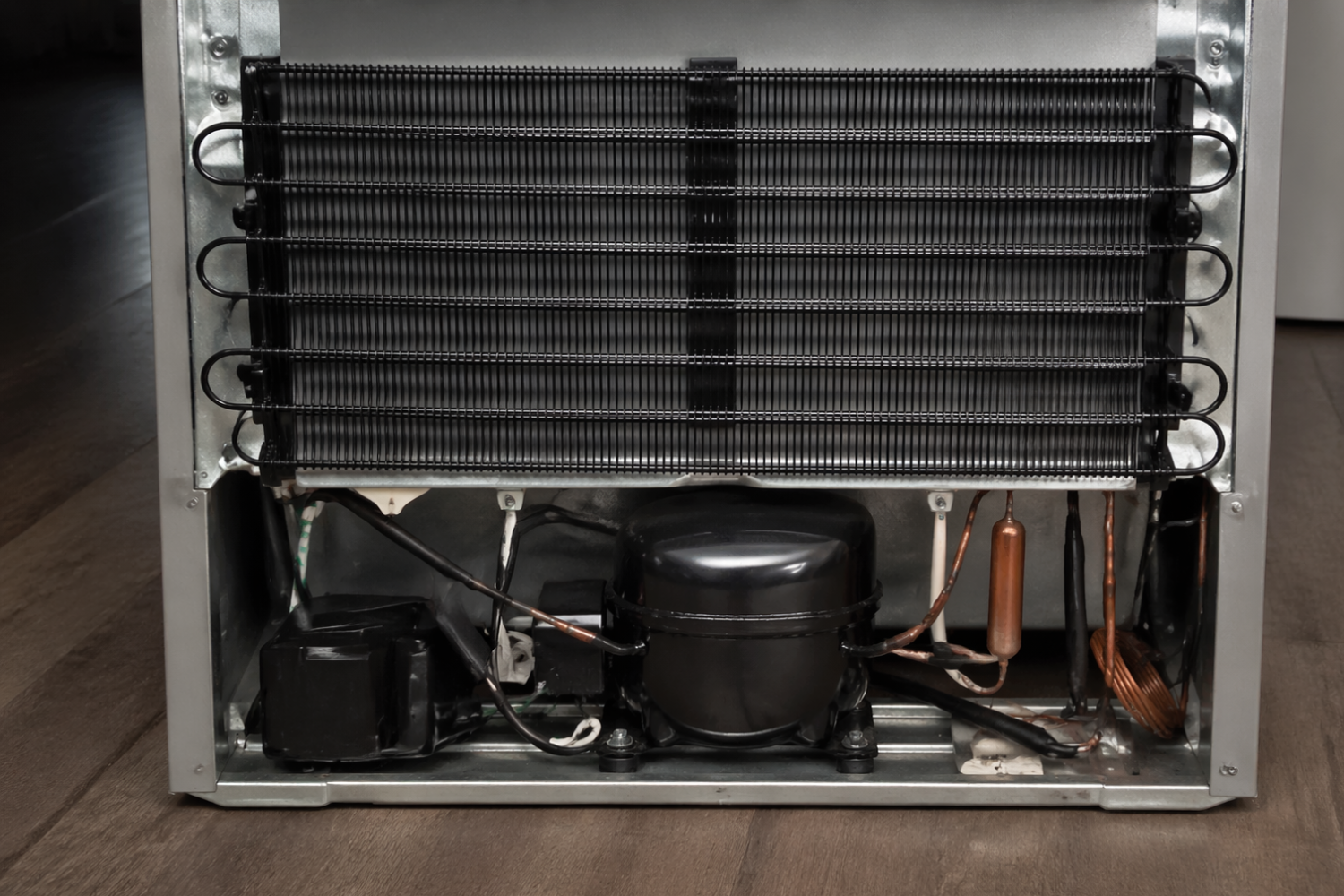
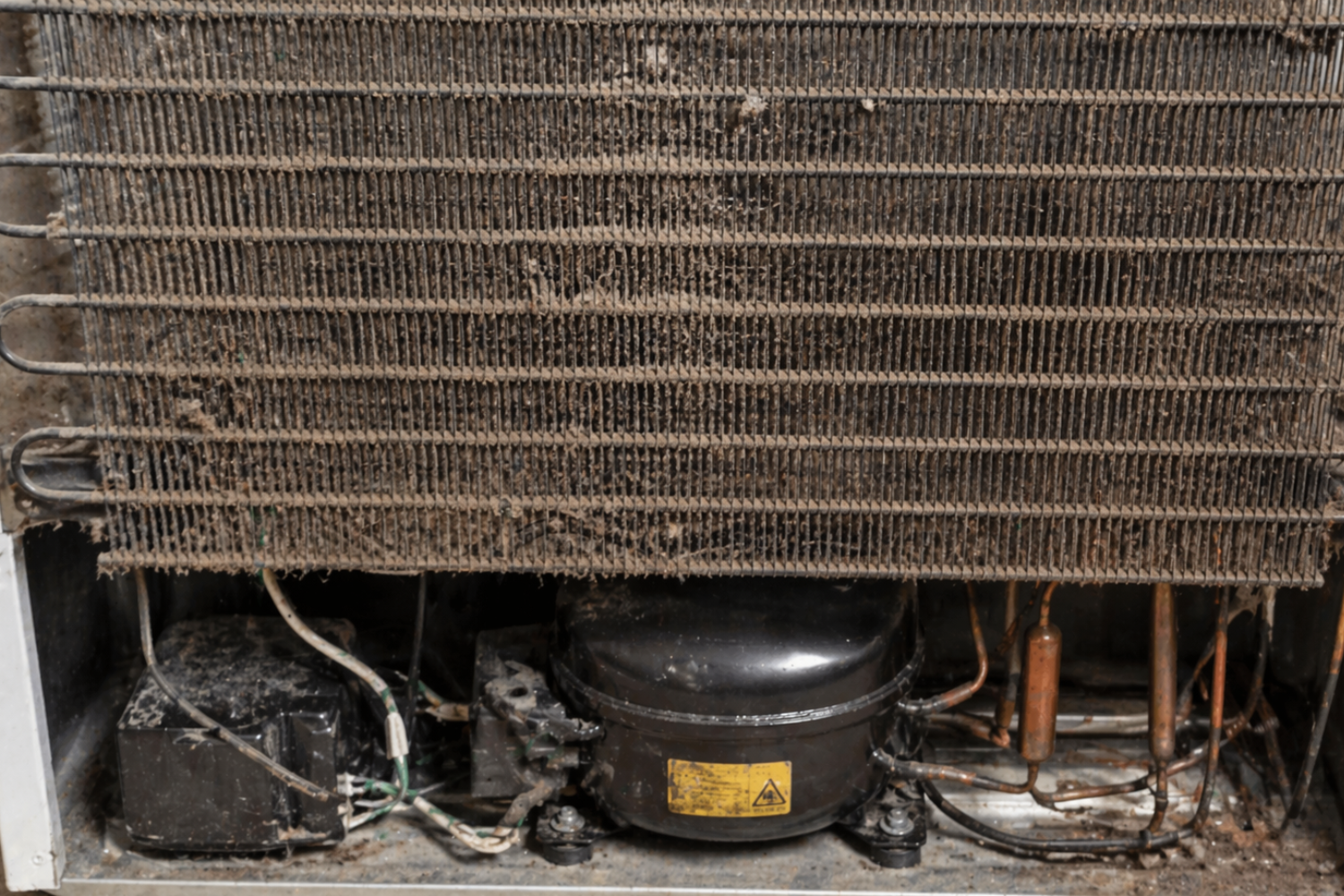
Refrigerator coils are metal tubes that release the heat absorbed from inside the fridge out into the room. These tubes sit at the back or underneath the machine to help the system breathe. Dust and pet hair easily cover these tubes, trapping heat and severely reducing overall cooling performance.What Happens If You Do Not Clean Refrigerator Coils?
Skipping basic maintenance can cause serious mechanical stress on any cooling appliance. A thick blanket of dust forces the compressor to run constantly to maintain a safe temperature. This extra strain leads to higher utility bills and expensive mechanical failures.Can Dirty Coils Make Your Refrigerator Run Hotter and Longer?
Yes, clogged tubes prevent the appliance from releasing heat effectively. The compressor must run for hours longer than normal to compensate for the trapped heat. This constant running makes the exterior casing feel physically warm to the touch.Can Dirty Coils Raise Energy Use and Wear Down Parts Faster?
A motor running constantly pulls significantly more electricity from the wall outlet. This excessive energy use drives up utility bills every single month. The constant friction and heat also cause critical cooling components to burn out years earlier than they should.What Tools Do You Need to Clean Refrigerator Condenser Coils?
Gathering the right supplies before pulling the appliance away from the wall prevents accidents and damage. You only need a few common household items to safely clean the cooling system, but using the wrong equipment can easily puncture the metal tubes. Grab these specific tools to make the job easier:- Standard vacuum with a narrow brush attachment: Safely sucks up loose dust without scraping the delicate metal.
- Long, soft coil brush: Reaches deep into tight spaces to knock loose stubborn pet hair.
- Bright flashlight: Helps easily illuminate dark corners behind or underneath the unit.
- Thick work gloves: Protect your hands from sharp, exposed metal fins.
Keep these items away from your cooling system:
- Stiff wire brushes and sharp knives: These rough tools can easily bend the delicate metal fins or puncture a pressurized refrigerant line.
- Harsh chemical sprays: Liquid cleaners can cause unnecessary damage, so stick strictly to a dry brush and a gentle vacuum.
How to Clean Refrigerator Coils in 7 Easy Steps
Learning how to properly clean a refrigerator’s condenser coils protects the appliance from accidental damage. These seven steps guide you through safely powering down the unit and removing heavy dust buildup. Following this exact process keeps the cooling system running at peak efficiency.Step 1: How Do You Turn Off Power Before Cleaning Refrigerator Coils?
You must unplug the main power cord from the wall outlet before starting any maintenance. Reaching behind a plugged-in appliance creates a severe risk of electric shock. If the plug is hidden, flip the dedicated circuit breaker in the electrical panel to the off position.Step 2: How Do You Find the Refrigerator Coils on Your Model?
The metal tubing is usually located flat across the back panel or tucked underneath the bottom of the machine. Older units typically expose the lines directly on the back wall. Newer units usually hide the tubes behind a vented lower kickplate near the floor.Step 3: How Do You Remove the Grille or Panel Safely if Needed?
You can usually unclip the bottom base grille by gently pulling the plastic toward you. Some premium models require a screwdriver to remove a customized metal plate. Always check the owner’s manual before forcing a panel off a high-end or built-in unit.Step 4: How Do You Loosen Dust and Pet Hair From the Coils?
Slide a soft-coil brush gently between the metal tubes to break up thick dust mats. Move the brush slowly to avoid bending any of the delicate fins holding the tubes together. This gentle motion frees trapped pet hair for easier removal.Step 5: How Do You Vacuum the Coils Without Damaging Them?
Turn on the vacuum and run the brush attachment lightly over the loosened debris. Keep the suction nozzle moving smoothly over the lines to suck up the dust without scraping the metal. Be incredibly careful not to bump the fragile connections or internal wiring.Step 6: How Do You Clean the Area Around the Coils Before Closing Everything Up?
You should sweep or vacuum the floor space beneath the appliance to remove the fallen dust. Wash the plastic or metal grille in warm, soapy water and dry the piece completely. Removing all surrounding dirt stops the machine from instantly sucking debris back into the system.Step 7: How Do You Put Everything Back and Make Sure the Refrigerator Is Running Normally?
Snap the clean grille back into place or tighten the retaining screws securely. Plug the power cord back into the wall outlet or flip the circuit breaker back on. Listen closely for a few minutes to ensure the compressor hums smoothly and operates normally.How Often Should You Clean Refrigerator Coils?
Knowing how often to clean refrigerator coils prevents the system from ever getting dangerously clogged. A regular maintenance schedule extends the appliance’s life and saves money. Ignoring this timeline forces the compressor to work in harsh, overheated conditions.How Often Should Most Homeowners Clean Refrigerator Coils?
Most standard homes only require this cleaning process once a year. A yearly dusting removes the light buildup that accumulates during normal daily activity. This annual routine is generally enough to keep a typical appliance running safely.Should You Clean Refrigerator Coils More Often if You Have Pets?
Homes with shedding dogs or cats require this maintenance every 6 months. Pet hair floats across the floor and quickly clogs the bottom air intake vents. Doubling the cleaning frequency prevents thick fur from smothering the compressor motor.What Signs Tell You It Is Time to Clean Them Sooner?
Waiting for your annual maintenance is not always enough, especially if your appliance is actively struggling to stay cold. You should grab a brush immediately if you notice any of these distinct warning signs:- Hot exterior casing: Feeling unusual heat on the outside of the machine is a clear warning that the cooling lines are suffocating.
- Constant motor running: A compressor that never shuts off is working dangerously hard to compensate for trapped heat.
- No ice production: A struggling system will often completely stop making ice in the freezer compartment.
- Visible dust buildup: Heavy dust gathering on the front kickplate strongly indicates that the internal airflow is completely blocked.
When Should You Call a Professional to Clean or Inspect Refrigerator Coils?
Some maintenance tasks go beyond basic cleaning and require an expert technician. Attempting to force open a sealed unit can cause permanent mechanical failure. Recognizing when to stop and call for professional help protects the appliance from severe damage.What Signs Mean DIY Cleaning May Not Be Enough?
Sometimes a simple dusting will not restore your appliance’s cooling power. Watch for these specific indicators that your refrigerator requires professional attention rather than a DIY fix:- Warm interior after cleaning: A fridge that still feels warm inside even after a thorough vacuuming likely has a deeper mechanical issue.
- Loud grinding noises: Hearing harsh mechanical sounds from the motor area requires an immediate expert inspection.
- Damaged copper tubing: Spotting bent, cracked, or punctured metal cooling lines is a severe problem that demands professional handling.
- Restricted access: Hard-to-reach built-in units often require specialized tools just to access the cooling compartment safely without damaging the surrounding cabinets.