Is the Fridge Water Filtered?
The short answer is that most modern appliances clean the supply before it ever hits your cup. Manufacturers build these systems directly into the unit so your door dispenser and ice maker can produce fresh drinks. Just remember to check your owner’s manual, as the exact setup varies widely across different brands.Is Water From the Fridge Filtered on Every Refrigerator?
The level of water filtration depends entirely on the specific age, brand, and design of your refrigerator. Luxury units almost always feature built-in filtration systems to trap impurities. Older models might just chill the liquid straight from your home plumbing lines without cleaning them first.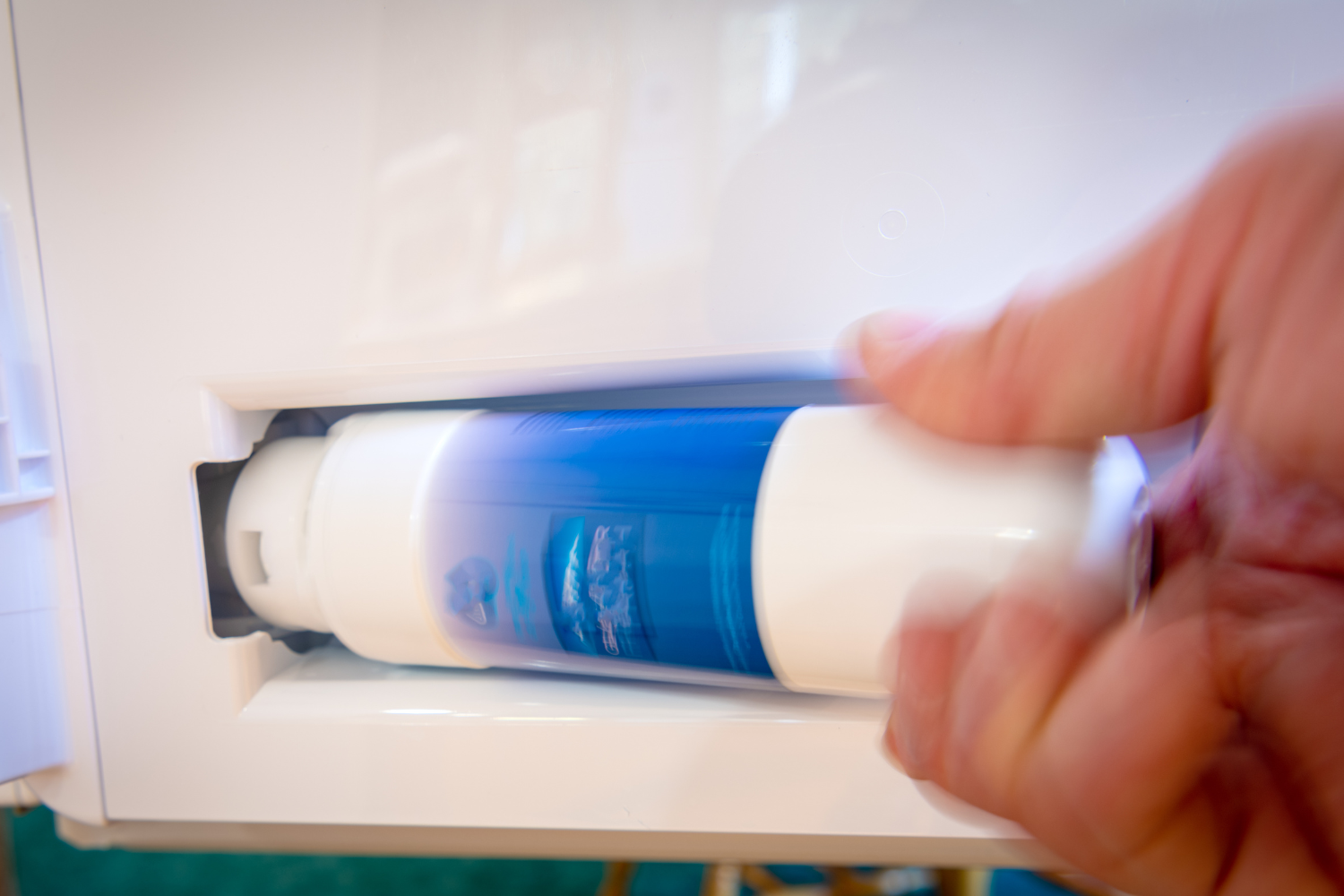
How Do Refrigerator Water Filters Work?
Refrigerator cartridges operate by forcing tap water through a tightly compressed block of activated carbon. This dense material acts like a microscopic sieve, physically trapping solid sediment like rust, dirt, and sand from your home plumbing. As the liquid passes through, the carbon also adsorbs dissolved chemicals, removing heavy chlorine odors and metallic tastes. Understanding this two-step cleaning process makes it clear why regular maintenance is vital, because a completely clogged filter will ruin your water pressure and let bad flavors slip right back into your glass.What Does a Water Filter Dispenser for Fridge Systems Actually Do?
A dedicated water filter dispenser for fridge systems actively improves the flavor and smell of your drinks. It captures hard particles and common impurities that travel through municipal supply pipes. Having this system in place gives you much cleaner drinking options and perfectly clear ice cubes.What Does a Refrigerator Water Filter Out?
Internal filtration systems capture common municipal additives and minor physical debris from your plumbing. While these cartridges handle basic taste issues beautifully, understanding the system’s limits helps you manage your daily drinking supply safely. Here is a quick comparison of what a standard unit can and cannot trap:How Can You Tell if Your Refrigerator Water Is Being Filtered?
You can easily verify the filtration status of your appliance by tasting your drinks and looking for a physical cartridge housing inside the main compartment. Many homeowners assume the process happens automatically, but the truth is, water from the fridge filter comes down to observing how your dispenser actually behaves. Paying close attention to daily functional signs helps you avoid drinking dirty liquids.What Signs Show the Filter Is Working Properly?
You can easily tell that your system is operating correctly by observing a few simple details during daily use. Look for these positive signs of a healthy cartridge:- Strong water flow: The door dispenser delivers a fast and steady stream every time you fill a glass.
- Crisp flavor: Your drinking water tastes perfectly fresh, with no strange odors.
- Normal ice cubes: The ice maker consistently dispenses solid, fully formed cubes into the bin.
- Clear control panel: The digital display remains completely free of any red warning alerts.
What Signs Show the Filter May Be Old or Not Working?
You should watch for several physical and mechanical clues that your cartridge is no longer effectively cleaning the supply. The following signs indicate that a replacement is necessary:- Poor flavor or odor: Water may develop a strange metallic taste or a noticeable, unpleasant smell.
- Slow dispensing: A clogged cartridge often causes a weak stream or frustratingly slow flow from the door.
- Cloudy water: Visual impurities or a murky appearance in the glass suggest the carbon block is exhausted.
- Shallow ice cubes: The ice maker may produce unusually small or hollow cubes due to restricted water pressure.
- Active warning light: A brightly illuminated filter light on the control panel is a direct signal from the appliance that the lifespan has ended.
Can You Use Refrigerator Water Without a Filter?
You can definitely run your appliance without a cartridge if the specific model allows it. Some systems force you to install a special bypass plug. This plug keeps the internal plumbing connected when the main cartridge is removed. Taking this route means the liquid continues to flow freely. Just be aware that the supply will not be protected from local plumbing impurities.Are Refrigerator Water Filters Enough for Most Homes?
These internal systems are generally sufficient for homes that already receive safe, municipally treated tap water. Providing an excellent layer of everyday convenience, the filters improve basic taste and remove minor sediment quite well. You simply need to remember that these units are not the same as whole-home reverse osmosis systems if the property requires heavy-duty purification.When Should You Call a Professional Like Wilshire?
Reaching out to a certified expert protects the appliance when basic troubleshooting fails. You should call Wilshire Refrigeration if you experience any of these specific problems:- Jammed cartridges: The filter is completely stuck inside the housing, and forcing it might shatter expensive internal parts.
- Persistent leaks: The filter housing drips continuously, putting the kitchen at risk of water damage.
- Weak water flow: The dispenser stops working entirely, or the pressure stays incredibly low after a replacement.
- Luxury models: Built-in and premium appliances always require the precise touch of a factory-trained technician to guarantee long-lasting results.