Why Is Refrigerator Water Filter Replacement Important?
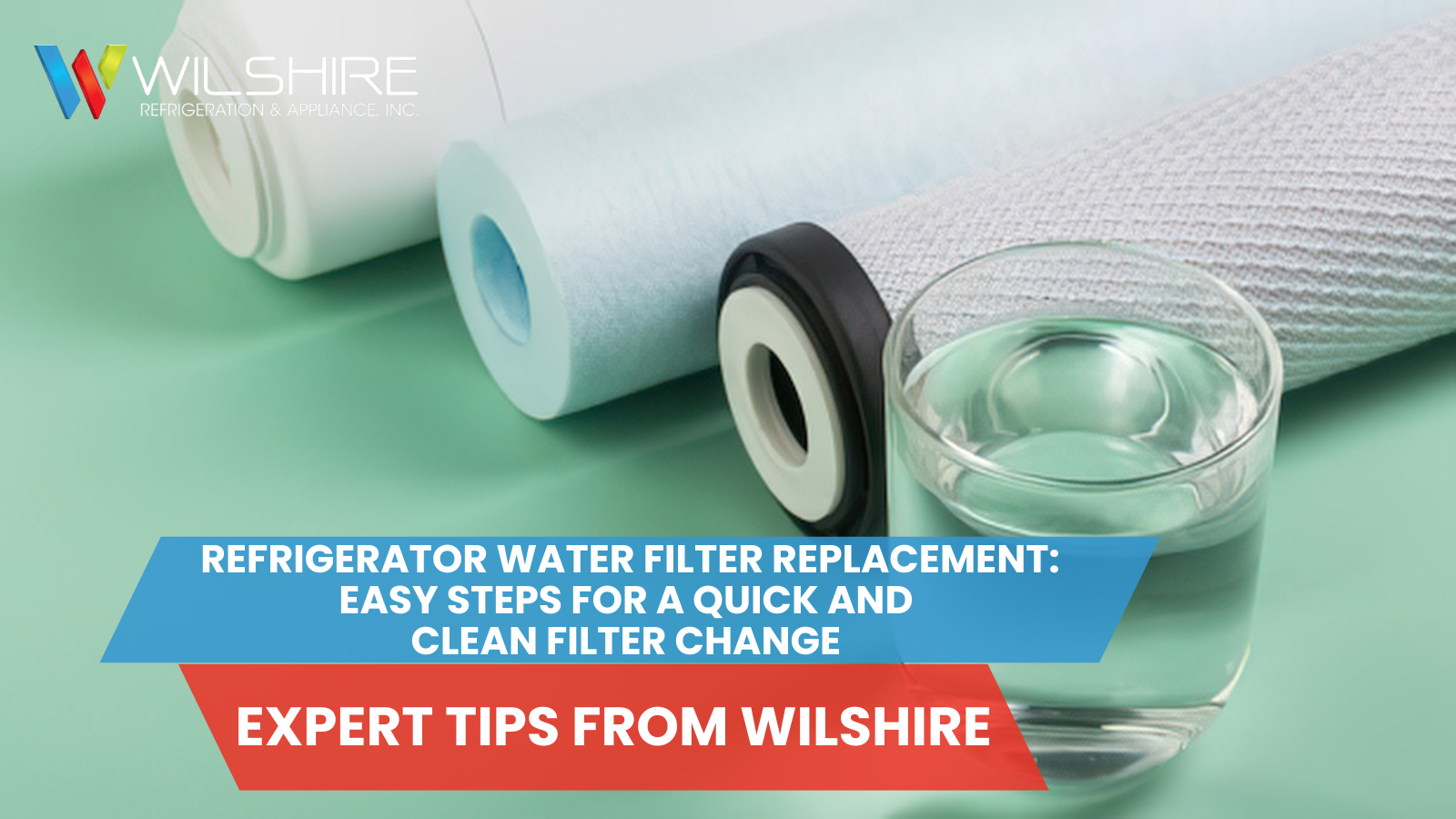
Replacing a refrigerator water filter is vital because it protects drinking water and prevents costly damage to the appliance. Replacing a clogged cartridge prevents heavy mineral buildup from slowly ruining the internal plumbing of your high-end fridge. Fresh filters also restore strong water pressure and ensure your ice tastes crisp instead of stale. Routine care simply helps refrigerator filters work properly over the long haul.How Do You Know It Is Time to Replace Your Refrigerator Water Filter?
Figuring out the right time to replace your refrigerator water filter comes down to watching for a few specific physical clues and tracking your household usage. Your appliance will often tell you when it is struggling to push water through a dirty cartridge. Knowing these exact signs makes scheduling a fridge water filter replacement completely stress-free.What Are the Most Common Signs the Filter Needs to Be Changed?
Several physical clues and system alerts indicate that your appliance is struggling to push water through a dirty cartridge. You should check for the following signs to determine if a replacement is necessary:- Reduced water pressure: A sudden or gradual drop in flow from the dispenser often indicates a clogged filter.
- Unpleasant taste or odor: Ice and water may begin to taste stale or develop a faint metallic smell.
- Cloudy appearance: Water might look murky or cloudy rather than perfectly clear.
- Warning light: Most modern units feature a digital display light that turns red when the filter lifespan has ended..
How Often Should You Replace a Refrigerator Water Filter?
You need to replace a refrigerator water filter every six months under normal household conditions. A large family filling water bottles all day might need a fresh cartridge in just four months. Homes with hard city tap water will also exhaust a filter much faster than the average home.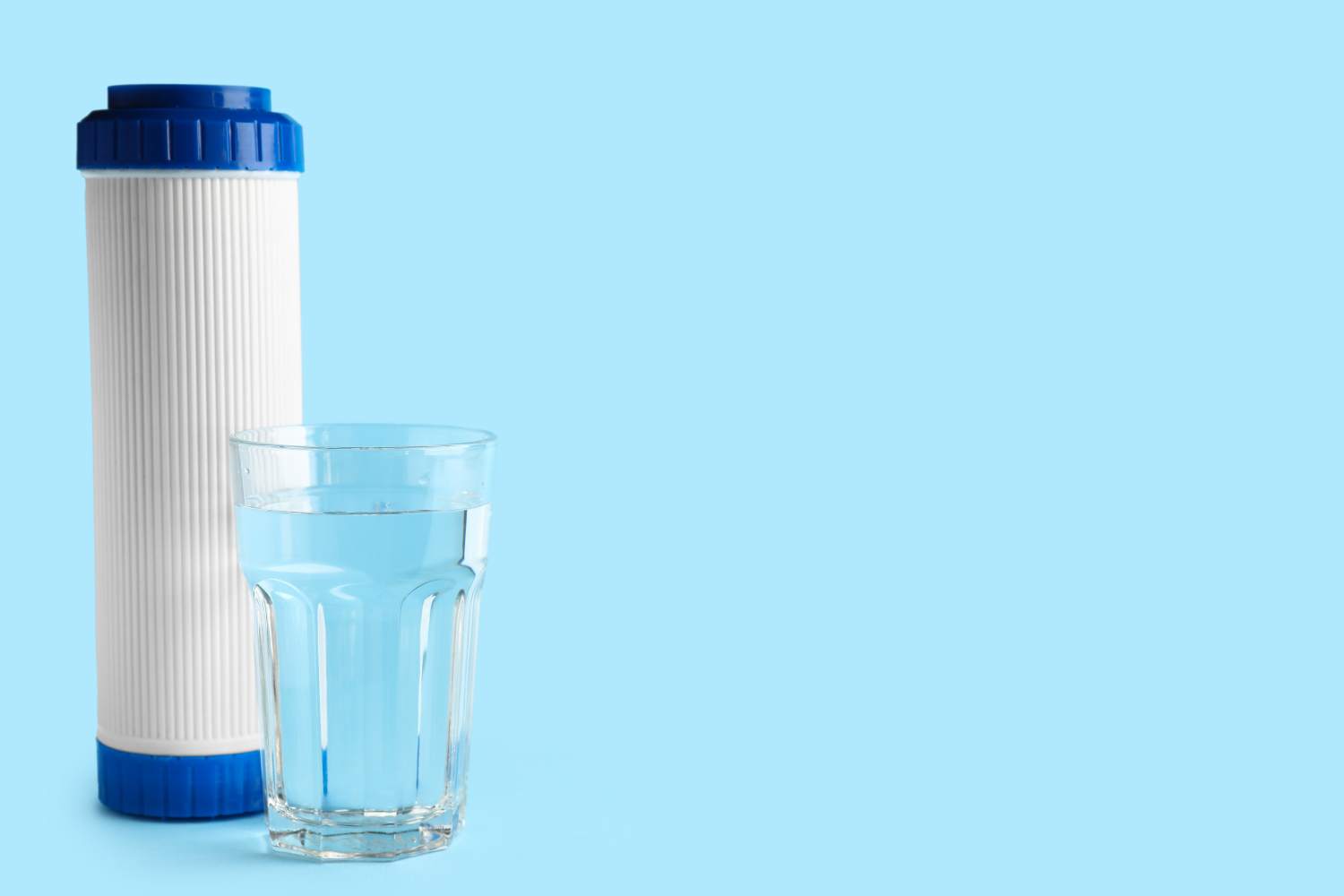
What Should You Do Before You Replace the Refrigerator Water Filter?
Getting organized before you replace a refrigerator water filter saves you from buying the wrong part or spilling water on your kitchen floor. You need to identify the exact model number and determine where the cartridge is located in your specific unit. Taking a few minutes to prepare ensures the actual installation takes less than sixty seconds.How Do You Find the Right Water Filter Refrigerator Model?
Find the right water filter for your refrigerator by checking the sticker on the inside of your fridge door for the main appliance number. Taking the old cartridge out and reading the part number printed directly on its plastic shell is another foolproof method. Always verify these numbers twice to avoid accidentally forcing the wrong shape into the housing and breaking the internal valves.Where Is the Refrigerator Water Filter Located?
The refrigerator water filter is located in different places depending on how your appliance was designed. Many popular brands hide the cartridge in the upper-right corner of the fresh food section. Other models tuck it neatly behind the base grille near the floor.How Do You Do a Fridge Water Filter Replacement Step by Step?
Performing a fridge water filter replacement is a simple task once the new cartridge is ready. Taking the old unit out and locking the new one in requires just a simple twist or a firm push. Follow these exact steps to protect your kitchen floors from spills and keep your dispenser running perfectly.Step 1: Turn Off the Ice Maker or Water Supply if Needed
Turn off your ice maker or shut off the main water valve behind the appliance to stop accidental leaks. Many luxury models automatically shut off the water flow when you open the housing case, but it’s always a smart precaution to flip the switch.Step 2: Remove the Old Refrigerator Filter
Remove the old refrigerator filter by firmly grabbing the cap and twisting it to the left. Pull the plastic cylinder straight back toward you and throw it in the garbage.Step 3: Insert the New Refrigerator Filter
Insert the new refrigerator filter by lining up the small arrows on the cartridge with the matching grooves inside the housing. Push it straight back into the slot until it hits a natural stopping point.Step 4: Make Sure the Filter Is Locked in Place
Make sure the filter is locked in place by twisting it to the right until you feel a satisfying click. A loose cartridge is the number one cause of unexpected puddles on the kitchen floor.Step 5: Flush Water Through the New Filter
Flush water through the new filter to clear out any harmless carbon dust left over from the factory. Run a few large pitchers of water through the door dispenser and pour them down the sink.H3: Step 6: Reset the Filter Light
Reset the filter light on your front control panel so the computer can start tracking the new six-month lifespan. Pressing and holding the dedicated reset button for three to five seconds usually clears the alert.Step 7: Test the Water Dispenser and Ice Maker
Test the water dispenser and ice maker to ensure strong pressure and perfectly clear water. Keep a close eye on the filter case for a day to confirm nothing is dripping inside the fridge.What Should You Do After Replacing a Refrigerator Water Filter?
After completing your refrigerator water filter replacement, a few final steps ensure the system is clean and the installation is secure. Follow these checks to confirm your new filter is ready for daily use:- Flush the lines: Run two to three gallons of water through the dispenser to remove trapped air and loose carbon dust from the new filter.
- Check for clarity: Ensure the water runs clear and steady, which indicates that manufacturing residue has been fully rinsed away.
- Monitor for leaks: Inspect the filter housing area for any drips or moisture to verify a watertight seal.
- Verify taste and smell: Confirm that any previous strange odors or metallic tastes have completely vanished.
- Reset the display: Check your control panel to ensure the filter status light has been reset to reflect the new lifespan.
What Problems Can Happen After You Replace a Refrigerator Water Filter?
Most minor issues occurring after a filter change are easy to resolve with a quick physical adjustment or basic troubleshooting. Here are the most common problems and their simple fixes:- Leaking water: This usually happens when the filter is not fully locked; simply remove it and reinstall it with a firmer push before twisting.
- Slow dispensing: Trapped air bubbles in the plumbing lines can weaken flow, but holding the dispenser lever down for a few minutes will push the air out.
- Strange taste: Residual carbon dust from the new filter can affect flavor, so flush an extra gallon or two through the system to clear any residue.
- Stuck cartridge: Built-up water pressure often jams the locking mechanism; you can fix it by dispensing a small amount of water to relieve the pressure.
- No water flow: If the dispenser stops entirely, the cartridge likely failed to trigger the internal valve and needs to be reinstalled with a much stronger push.

Can You Use a Refrigerator Without a Water Filter?
You can use a refrigerator without a water filter, but you might need to install a special bypass plug to keep the water flowing. A bypass cap essentially closes the gap where the filter normally sits, allowing unfiltered city water to reach your ice maker. Taking this route means you lose all protection against nasty local contaminants. Your daily drinking water will have the same taste and mineral content as the tap water from your bathroom sink.When Should You Call a Professional Like Wilshire?
Certain complex maintenance issues require the expertise of a factory-certified technician to prevent accidental damage to your appliance. You should call Wilshire Refrigeration if you encounter any of the following situations:- A stuck filter: If the cartridge refuses to budge with normal effort, avoid using tools that could shatter the expensive housing assembly.
- Persistent leaks: Professional help is necessary if a new filter continues to drip or leak after multiple installation attempts.
- No water flow: You need an expert if the dispenser stays completely dry even after a new filter is properly seated.
- Damaged housing: Any visible cracks or damage to the internal filter mount must be repaired immediately to avoid flooding.
- Luxury built-in models: High-end units have delicate internal parts that need a precise touch to protect the investment in your premium appliance