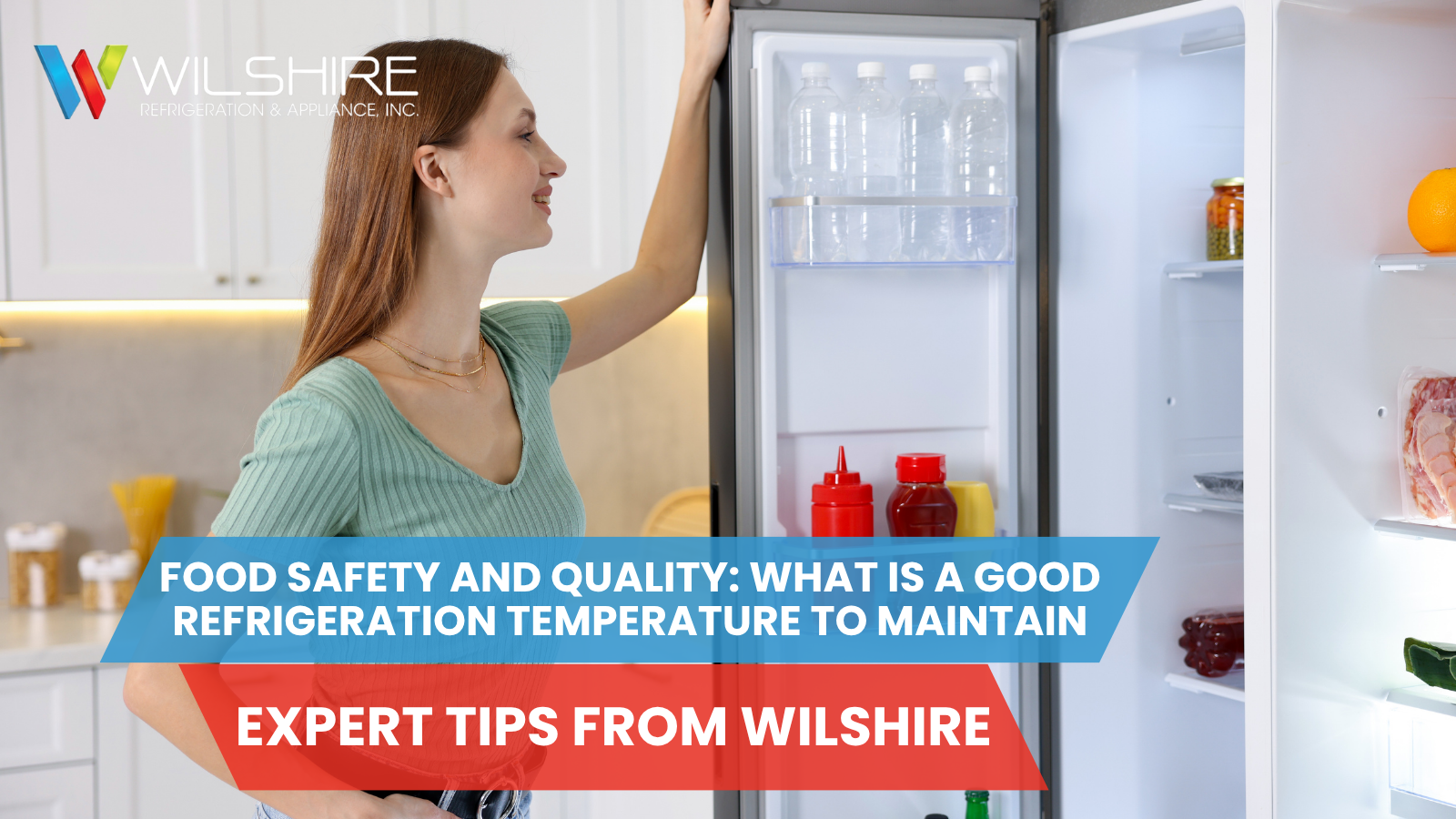
Finding a carton of spoiled milk or slimy vegetables in the crisper drawer is incredibly frustrating, and throwing hard-earned money away hurts even more. Knowing exactly what a good refrigeration temperature is helps protect your culinary ingredients from spoiling before they are ready. High-end cooling units require exact climate control to keep your meals safe and tasting fresh.Taking the guesswork out of your dial settings makes a huge difference in your daily kitchen routine. You can partner with Wilshire Refrigeration to ensure your premium appliance maintains the precise calibration needed for consistent food quality.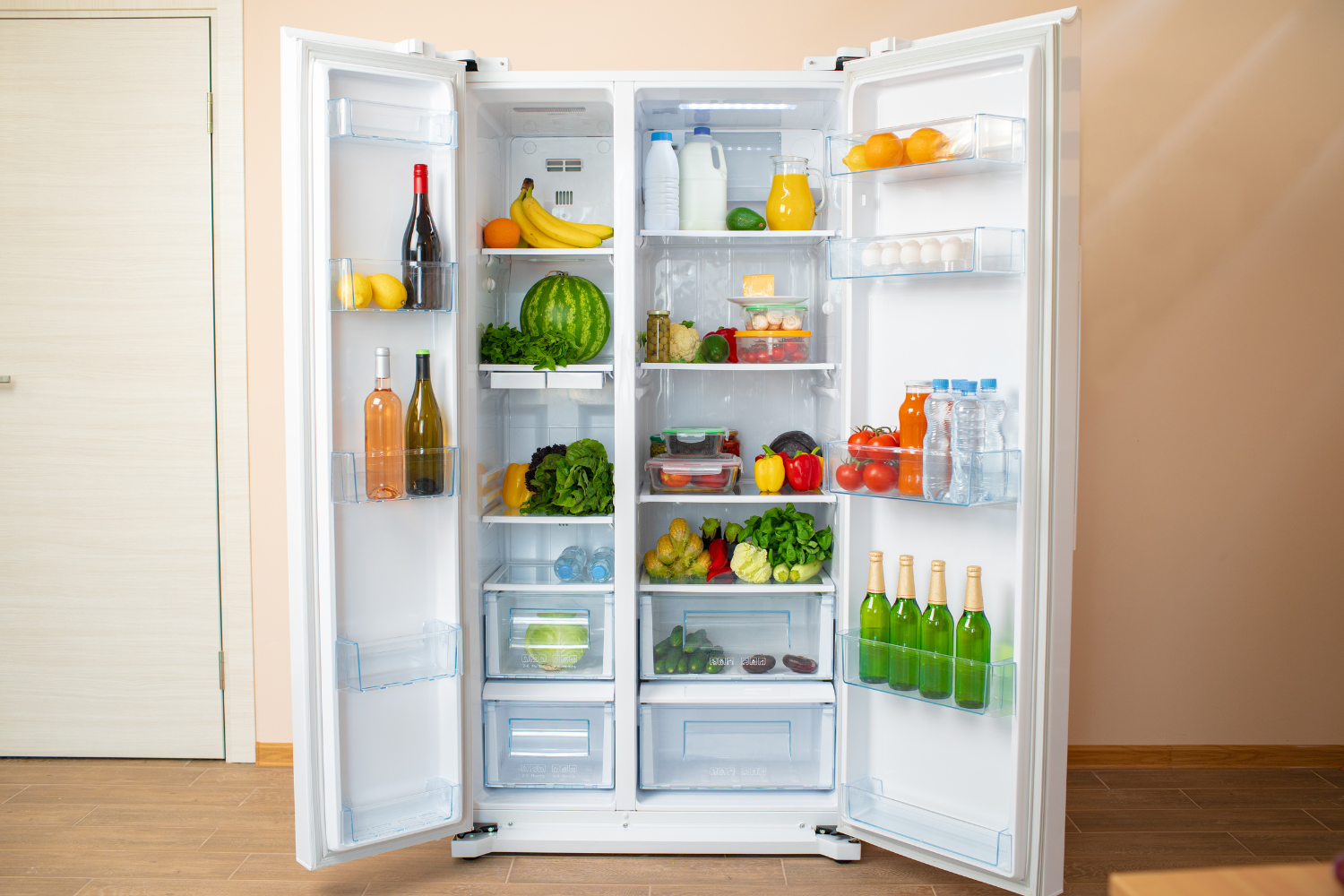

What Temperature Should a Refrigerator Be?
You really need to keep your appliance at or below forty degrees Fahrenheit for basic food safety. The Food and Drug Administration provides clear guidelines on the normal fridge temperature needed to slow the growth of dangerous bacteria. Dialing in the correct thermostat setting actively supports proper food safety standards and keeps ingredients properly chilled. It also ensures your leftovers taste just as good the next day.At or Below 40 Degrees Fahrenheit
Most culinary experts consider thirty-seven degrees Fahrenheit the absolute sweet spot. Aiming for this specific target balances solid energy efficiency with delicate food preservation. This creates an ideal average fridge temp for everyday household use. You gain serious peace of mind knowing your groceries are safe, without overworking the appliance motor.How Cold Should a Refrigerator Be for Specific Foods?
Knowing exactly how cold a refrigerator should be helps you create distinct climate zones inside the main cabinet. Because cold air sinks and warm air rises, the chill factor shifts slightly depending on which shelf you use. Strategic storage makes a huge difference for maximizing freshness. You should organize ingredients based on optimal placement to make the most of your fridge temperature range:- Keep dairy products on the middle shelves for stable, consistent cooling.
- Place raw meat on the lowest shelf to prevent dangerous juices from dripping onto other food.
- Store vegetables in the high-humidity crisper drawers to prevent fast wilting.
- Put hardy condiments in the door compartments, as those areas experience minor temperature fluctuations whenever you open the unit.
What Is the Ideal Freezer Temperature?
Freezing your food properly requires a very specific setting. The ideal freezer temperature is exactly 0 degrees Fahrenheit. Sub-zero climates are essential for drastically slowing the deterioration of long-term storage items. Keeping the environment this cold locks in peak flavor profiles. It ensures your frozen goods remain perfectly safe to eat for several months.Zero Degrees Fahrenheit
Maintaining the freezer temperature at exactly 0°F (-18°C) physically prevents damaging freezer burn. This specific chill level helps maintain the food’s natural texture over long periods. Dialing in this precise setting also reduces the daily mechanical strain on your main compressor. Helping the heavy machinery run smoothly without struggling adds years of reliable life to the entire unit.How Do Fluctuations Affect Appliance Performance?
Wild shifts in the internal cabinet climate force your compressor to work incredibly hard. This constant stopping and starting leads to severe mechanical stress over time. The heavy machinery inside your luxury unit wears out significantly faster when the cooling cycle becomes unpredictable. Watch out for these common habits that ruin a perfectly stable refrigerator temperature:- Overpacking the storage compartments and physically blocking vital air vents.
- Leaving the heavy door wide open while you prepare meals.
- Placing large containers of hot leftovers directly onto cold glass shelves.
- Ignoring worn or damaged rubber door gaskets that constantly leak cold air into the kitchen.