Quick Navigation
Table of Contents
Click To Expand
Quick Navigation
Table of Contents
Click To Expand
Dinner shouldn’t be waiting on a preheat signal that takes forever. A Wolf stove and oven can take longer to preheat because of oven size, model design, power supply, fuel type, or heating performance. A longer preheat does not always mean a part has failed.
If a Wolf oven suddenly takes much longer than usual, struggles to reach the set temperature, or starts cooking unevenly, Wilshire Refrigeration‘s high-end appliance repair team can help determine whether the change points to a service issue.
FACTORY-CERTIFIED APPLIANCE REPAIR
Luxury Appliance Trouble? Get Expert Help Fast.
From premium refrigeration to high-end kitchen appliances, our factory-certified team delivers trusted diagnosis and repair with the professionalism your home deserves.
How Long Should a Wolf Oven Take to Preheat?
There is no single standard preheat time for all Wolf ovens. Timing varies by model, oven size, selected temperature, electrical supply, and fuel type, so compare the appliance with its usual performance in the same cooking mode.Normal Differences between Wolf Ovens
Different Wolf ranges and ovens can preheat at different speeds because cavity size and heating design vary. Wolf notes that hidden bake elements in electric ovens can also make preheating take longer than in some conventional ovens.Power and Fuel Differences
The power supply can affect preheat time on some electric and dual-fuel models. Wolf states that 208-volt service can add about 25% to 40% more preheat time than 240-volt service on applicable Dual Fuel Ranges and Wall Ovens, while natural gas and liquid propane can also affect preheat times on gas ranges.Normal Preheat Behavior
For most cooking modes, let the Wolf oven finish preheating before adding food. Wolf lists Broil and Convection Broil as exceptions to the usual preheat requirement.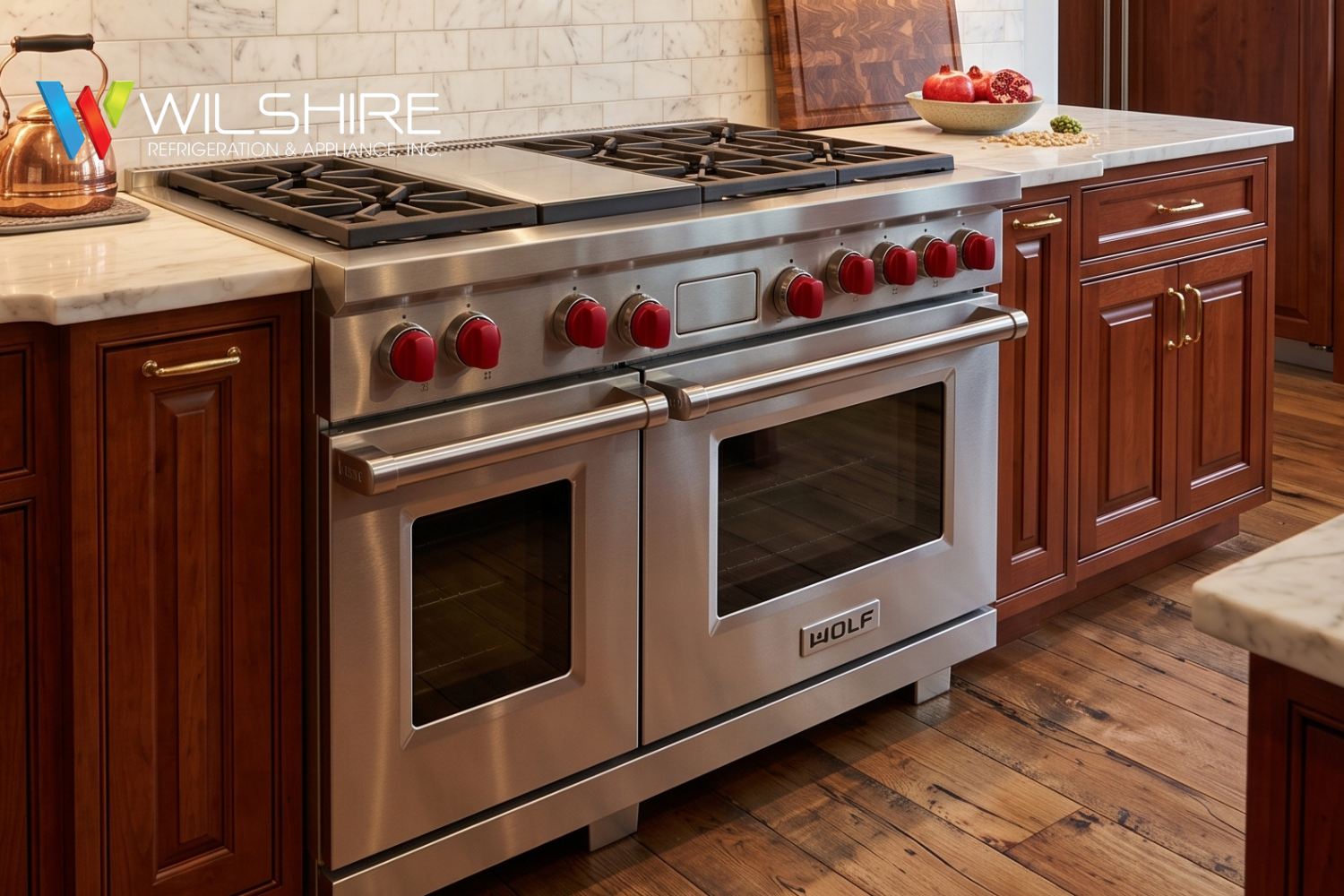
What Can Make a Wolf Oven Preheat Slowly?
Slow preheating can result from normal operating conditions or from a problem affecting heat production or retention. A sudden change is more useful than comparing one Wolf range with a different model.Several factors can increase Wolf oven preheat time:- Oven size and model design
- Power supply or voltage
- Gas or propane configuration
- Frequent opening of the oven door
- A door that does not close completely
- A damaged or poorly seated door gasket
- Heating element or ignition problems
- Fan or temperature-control issues
What Can You Check on a Wolf Range Before Calling for Service?
Homeowners can rule out a few basic operating issues without opening the appliance. Safe checks focus on settings, power, door closure, and changes in normal performance.Start with these safe checks:- Confirm the correct cooking mode and temperature.
- Keep the oven door closed during preheat.
- Check that the door closes completely.
- Look for visible damage or gaps around the door gasket.
- Confirm the oven has normal power.
- Check if the oven eventually reaches the set temperature.
- Compare current preheat time with the oven’s usual behavior.
FACTORY-CERTIFIED APPLIANCE REPAIR
Luxury Appliance Trouble? Get Expert Help Fast.
From premium refrigeration to high-end kitchen appliances, our factory-certified team delivers trusted diagnosis and repair with the professionalism your home deserves.
Why Does the Oven Door Affect Preheating?
The oven door affects preheating because heat loss makes it harder for the cavity to reach and maintain the selected temperature. Frequent opening, a poor gasket seal, or a door that does not close completely can reduce performance.Frequent Door Opening
Opening the door during preheat releases hot air and makes the oven recover lost heat. Wolf also lists frequent door opening as a possible reason food takes too long to cook.Poor Door Sealing
A damaged or improperly seated gasket can allow heat to escape. Wolf recommends professional replacement for many oven door gaskets because poor installation can prevent a proper seal.Door Alignment Problems
A Wolf oven door that doesn’t close fully may have a rack, rack guide, hinge, or alignment issue. If nothing is blocking the door and it still will not close, a professional inspection is the safer next step.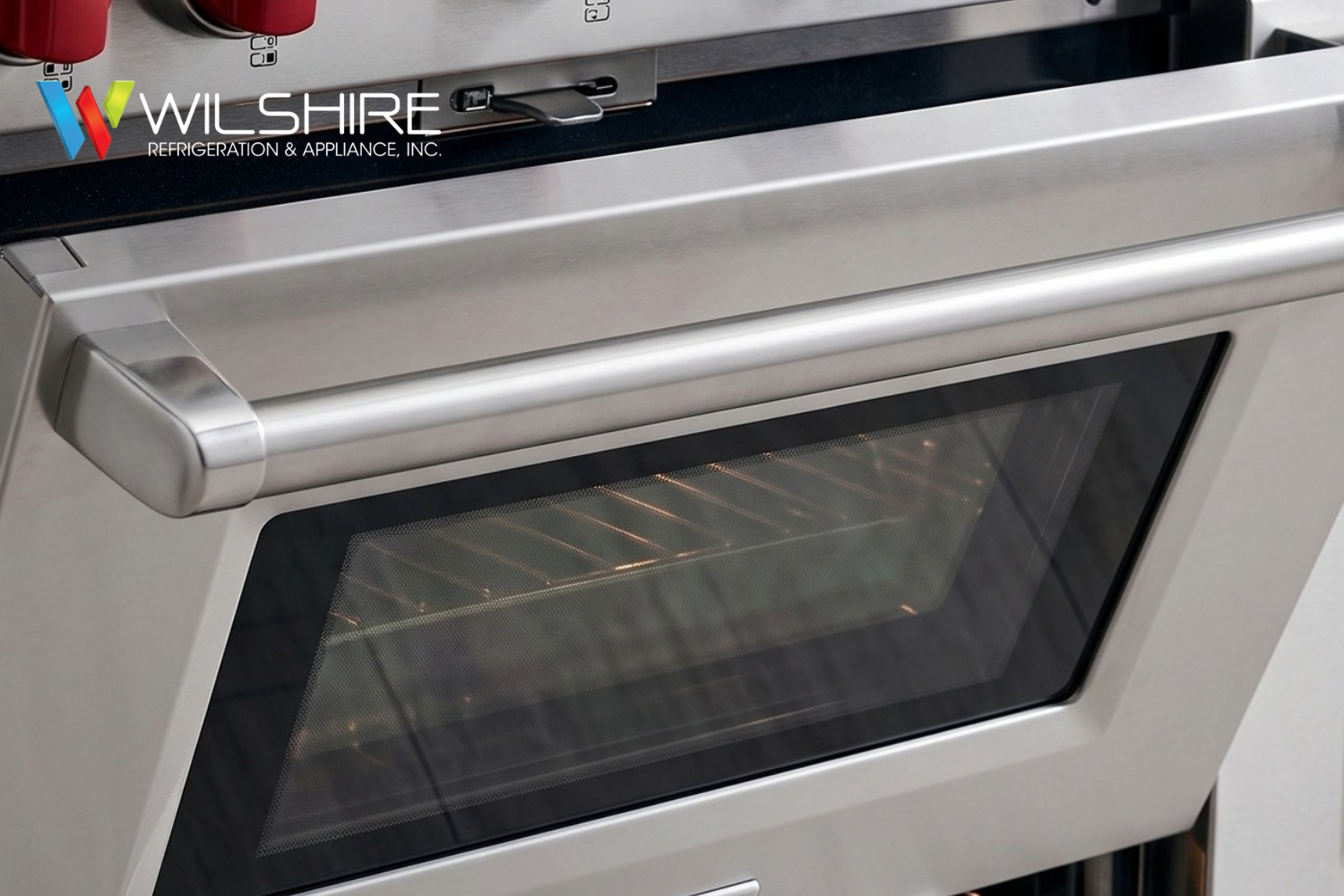
When Is Slow Preheating a Repair Sign?
Slow preheating can indicate a repair issue when the oven no longer reaches the selected temperature or when its normal heating behavior changes abruptly. Longer cook times and uneven results can increase concern.Failure to Reach Temperature
A Wolf oven that continues heating but cannot reach the selected setting needs professional attention. Wolf recommends service when the oven is set correctly but still does not get hot enough.Sudden Preheat Changes
A noticeably longer preheat time can signal a developing problem. Wolf directs users to temperature troubleshooting when oven heating has changed significantly.Longer or Uneven Cooking
Food that takes much longer than expected to cook, or cooks unevenly after proper preheating, can indicate a heating problem. Repeatedly raising the temperature is not a reliable fix.Ignition or Heating Problems in Wolf Ranges
Ignition or heating problems can slow preheating or stop the oven from reaching temperature. A Wolf gas range may have an ignition or gas supply issue, while electric Wolf ovens can develop problems with a bake element, fan, or control.For a Wolf oven range, surface cooking and oven preheating still depend on different components. Treat a separate Wolf cooktop as its own appliance when troubleshooting performance.Should You Keep Using a Slow-Preheating Wolf Oven?
Occasional variation can be normal, but a Wolf oven that repeatedly fails to reach temperature or shows a significant change in performance should be inspected. Continued use depends on the symptoms.Stop using a gas oven if it fails to ignite properly. If you smell unexplained gas, leave the area and contact your gas utility from a safe location instead of trying to repair the appliance. For persistent heating problems that are not an emergency, Wilshire Refrigeration offers Wolf oven repair along with service for Wolf ranges and cooktops, and can diagnose the cause.FACTORY-CERTIFIED APPLIANCE REPAIR
Luxury Appliance Trouble? Get Expert Help Fast.
From premium refrigeration to high-end kitchen appliances, our factory-certified team delivers trusted diagnosis and repair with the professionalism your home deserves.
Frequently Asked Questions
How long does a Wolf oven take to preheat?
There is no single preheat time because the model, cavity size, temperature setting, voltage, and fuel type can all affect a Wolf oven’s preheat time.
Why is my Wolf oven taking so long to heat up?
A Wolf oven may heat slowly due to the model’s design, voltage, fuel type, door heat loss, or a problem with a heating component.
Why is my Wolf oven not reaching the set temperature?
A Wolf oven that cannot reach the selected temperature may have a problem with its power, heating, fan, ignition, control, or door seal.
How do you know when a Wolf oven is fully preheated?
On many Wolf ranges and ovens, the preheat indicator turns off, or the display settles at the selected temperature when preheating is complete.
Does a Wolf oven take longer to preheat than a regular oven?
Some Wolf ovens can take longer than conventional ovens because cavity design, hidden bake elements, voltage, and fuel type can affect preheat time.