Quick Navigation
Table of Contents
Click To Expand
Quick Navigation
Table of Contents
Click To Expand
A flooded drum halts the laundry routine fast. You stare through the glass door, watching clothes swim in dirty water. Washers typically refuse to empty because of a few specific roadblocks. Pinpointing the exact blockage point saves time before booking a washing machine repair.
The issue almost always hides in the drain hose, the pump filter, or the lid switch assembly. If a quick visual check does not solve the problem, the certified technicians at Wilshire Refrigeration are ready to help safely diagnose the fault.
Quick Glance
Simple DIY Drainage Checks
- Inspect the drain hose: Pull the machine forward and ensure the hose isn’t kinked, crushed, or pressed too tightly against the wall.
- Flush the hose: Disconnect the drain hose and run hot tap water through it to clear out hidden lint wads or forgotten items.
- Clean the pump filter: Open the filter housing (with a pan and towels ready) to remove trapped coins, hair, and debris that block water flow.
- Test the lid switch: If you have a top-loader, press down on the plastic lid switch to ensure it makes a distinct mechanical click.
FACTORY-CERTIFIED APPLIANCE REPAIR
Luxury Appliance Trouble? Get Expert Help Fast.
From premium refrigeration to high-end kitchen appliances, our factory-certified team delivers trusted diagnosis and repair with the professionalism your home deserves.
What Are the Most Common Causes of Drainage Issues?
You stare through the glass door, and the clothes are swimming in dirty water. It is an incredibly stressful sight. Usually, a washer refuses to empty because of a few specific roadblocks. Pinpointing the exact blockage point is the best thing to do before booking an appliance repair visit. The issue almost always hides in the drain hose, the pump filter, or the lid switch assembly.Kinked or Clogged Drain Hose
A bent or crushed hose is the number one reason water gets trapped in the drum. Sometimes the machine gets pushed back too close to the laundry room wall. This causes sharp bends that completely choke the water flow. Gently pull the unit forward and inspect the back panel. If the plastic looks straight, try disconnecting the hose to flush it out with hot tap water. This simple trick forces out hidden lint wads or forgotten items that slipped out of pockets.Obstructed Drain Pump Filter
Think of this filter as a safety net for your appliance. It catches loose change, bobby pins, and large clumps of hair before they can damage the main pump motor. When too much junk accumulates here, water simply cannot drain from the tub during the final spin. Pulling this gross debris out stops these clogs cold and keeps your clothes washing smoothly.Malfunctioning Lid Switch Assembly
If you own a top-loading model, the machine relies on a tiny plastic lid switch. It tells the computer inside that the door is securely shut. A cracked or sticky switch tells the control board to freeze the cycle right there. You can actually test this yourself. Press the switch down with your finger. If you do not hear a distinct mechanical click, the part is likely dead.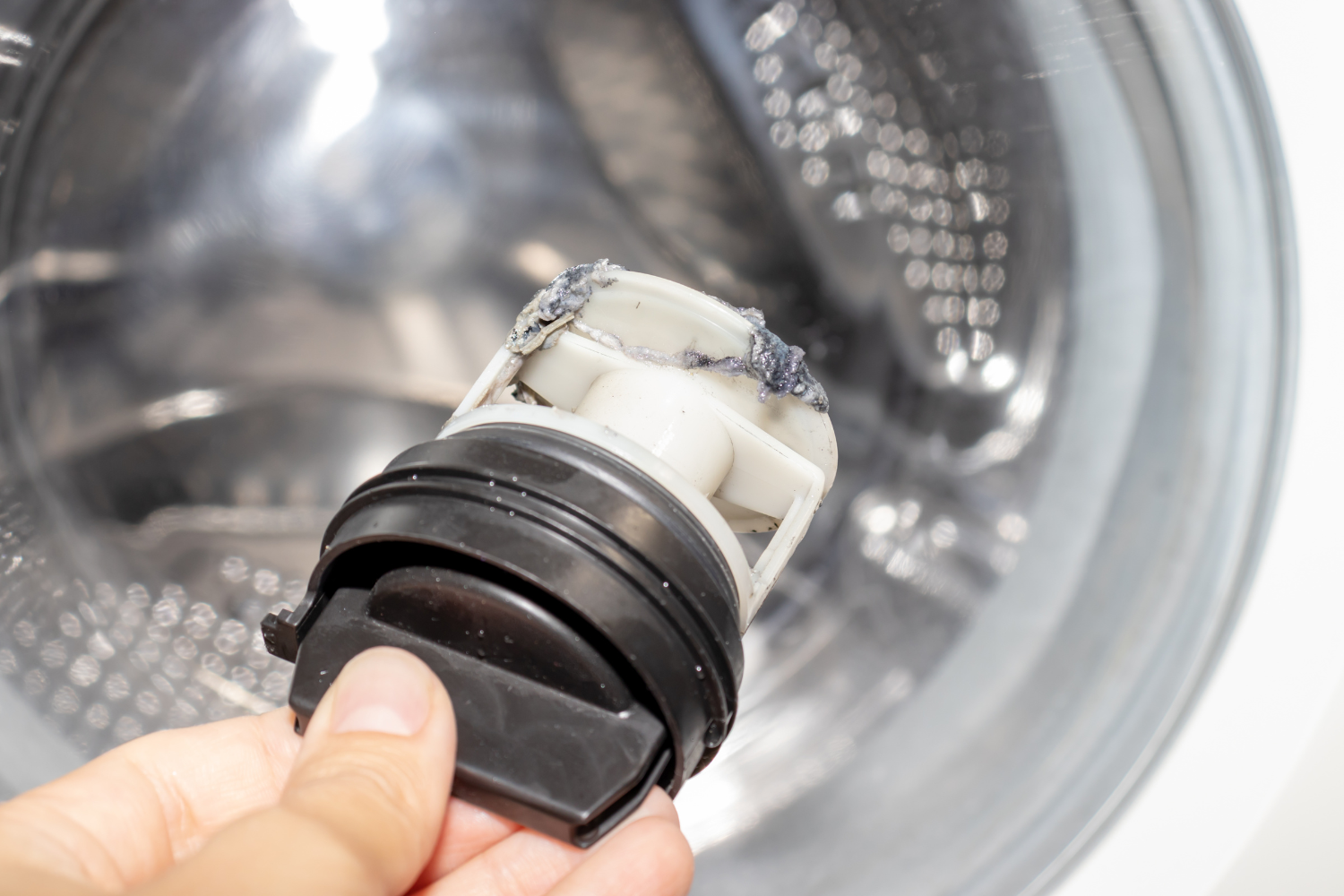
How Can I Safely Inspect My Washing Machine Drain Pump Filter?
Opening a clogged filter without preparation guarantees a massive puddle of dirty water on the floor. This component traps small objects before they hit the pump motor. Modern front loaders push a high volume of water through this area, making clogs a frequent occurrence. You need to prepare the space carefully:- Unplug the machine from the electrical outlet (EO) right away to eliminate shock risks.
- Place a shallow baking pan and thick bath towels snugly beneath the bottom filter door.
- Turn the cap counterclockwise very slowly to let the water trickle out into the pan.
- Wait until the draining stops entirely, and then pull the entire plastic piece free.
- Dig out any trapped buttons, coins, or slimy lint chunks from the cavity.
- Wash the plastic piece under warm water until it looks clean.
- Screw the filter back tightly into the housing.
FACTORY-CERTIFIED APPLIANCE REPAIR
Luxury Appliance Trouble? Get Expert Help Fast.
From premium refrigeration to high-end kitchen appliances, our factory-certified team delivers trusted diagnosis and repair with the professionalism your home deserves.
Are Drainage Problems Different for a Bosch Washing Machine?
German appliances operate with intense precision. A Bosch washing machine repair requires troubleshooting steps designed specifically for these advanced internal computers. High-efficiency models use specialized parts that respond to the tiniest clogs or water-level changes.Sensitive Water Level Sensors
These machines rely on delicate pressure sensors to measure exactly how much moisture sits in the drum. Hard water deposits and leftover liquid detergent easily coat these sensitive probes over time. When this happens, the sensors send fake signals to the main control board. Running a specialized descaler through the tub cleans these parts and restores accurate readings.Specialized Front Load Drain Systems
Premium front loaders conserve water by using incredibly narrow internal hoses. It is a brilliant design for efficiency. However, those tight pathways clog quickly when they encounter pet hair or heavy fleece fibers. Checking the readily accessible coin trap on a routine basis is essential to keep this specialized drain pump operating as intended.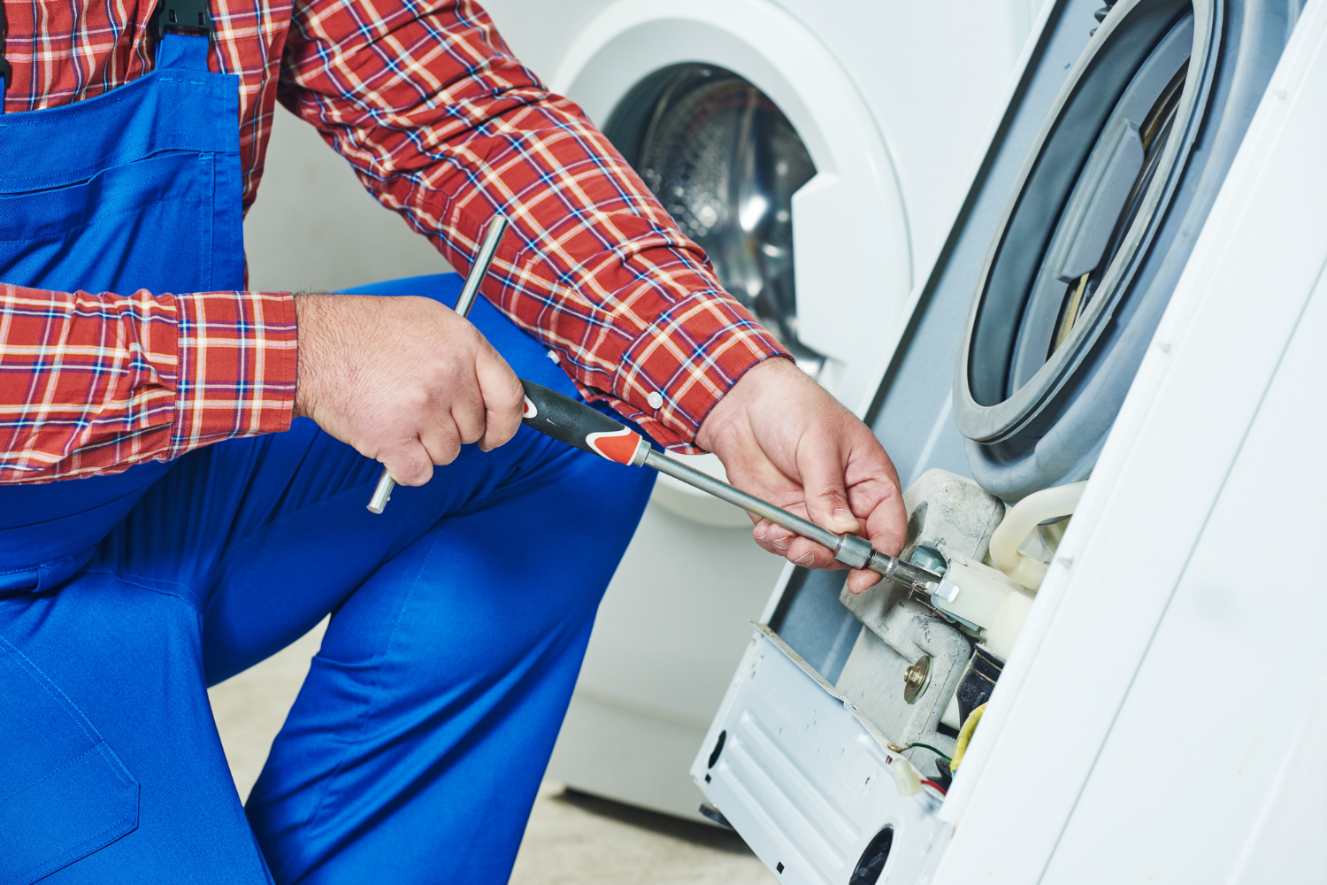
When Should I Call a Professional to Repair a Washing Machine?
Home remedies definitely have limits. They will not fix a fried circuit board or a totally busted pump. Bringing in a trusted technician guarantees your unit runs safely and stops hidden leaks from destroying your drywall. It also helps to understand the average washing machine repair cost upfront so you can budget for the work. Searching for washing machine repair near you connects you directly with neighborhood experts. They bring the heavy-duty diagnostic tools required to repair a washing machine properly.Persistent Electrical Control Board Errors
Your digital display will flash specific error codes when the system spots a drainage failure. Unplugging the cord to reset the computer almost never cures the root problem. A damaged or shorted main circuit board needs immediate professional attention. Only a certified technician should test this high-voltage wiring and swap out the expensive control panel.Unusual Grinding Noises During Spin Cycles
A healthy washer hums smoothly. Loud grinding or harsh scraping sounds point directly to a mechanical failure deep inside the water pump. A rogue screw might be jamming the impeller blades. Alternatively, the motor bearings might be tearing themselves apart. Ignoring these awful sounds guarantees a massive breakdown and a painful repair bill later.Complete Failure of the Drain Pump Motor
A completely silent washer during the drain cycle signals a major problem. A pump motor that stays dead quiet is probably fried. You cannot revive a dead motor by cleaning it. You need a professional for this kind of washing machine repair to ensure the replacement motor wires up perfectly to the electrical harness.FACTORY-CERTIFIED APPLIANCE REPAIR
Luxury Appliance Trouble? Get Expert Help Fast.
From premium refrigeration to high-end kitchen appliances, our factory-certified team delivers trusted diagnosis and repair with the professionalism your home deserves.
Frequently Asked Questions
Can a clogged drain filter stop a washing machine from spinning?
A blocked filter traps water in the tub, triggering an internal safety sensor that completely stops the spin cycle.
How much does it cost to replace a washing machine drain pump?
The typical cost to replace a brand-new drain pump for a washing machine ranges from $150 to $300, depending on your specific model.
Is it safe to run a washing machine with a slow drain?
Forcing a unit to run with a slow drain places massive strain on the motor and dramatically increases your risk of a sudden breakdown.
Why does my washer’s drain hose keep coming loose from the wall?
Intense water pressure easily blasts a loose hose right out of the wall standpipe if you do not secure it tightly with a metal clamp or zip tie.
How often should I clean my washing machine’s pump filter?
You need to inspect and wash the pump filter every 2 months to prevent pet hair and pocket debris from clogging the water flow.