
Built-in refrigerator shopping often feels easy at first until the unit is installed and small issues start to show. Since a built-in refrigerator fits tightly into cabinetry for a flush, custom look, even minor mistakes in sizing, airflow, or leveling can lead to uneven cooling, extra noise, or doors that never seal quite right.
Wilshire Refrigeration & Appliance helps homeowners across Southern California and Las Vegas care for premium built-in refrigerator brands so kitchens stay dependable, and the investment holds up over time. A built-in refrigerator can be a great choice, but it works best when you know what makes it different, plan the cabinet setup carefully, and stay consistent with maintenance.
What Is a Built-In Refrigerator?
A built-in refrigerator is a permanently installed refrigerator that fits into a dedicated cabinet opening instead of sitting out in front of your counters. It is designed to look intentional, with a finished face that aligns closely with surrounding cabinetry. When it is planned and installed well, it can feel like the kitchen was built around it, because it was.
People ask what a built-in refrigerator is for a reason. At a quick glance, some kitchens make it hard to tell what is built-in, what is counter-depth, and what is simply placed neatly. The difference is not just appearance; it is the way the unit is mounted, vented, and supported by a built-in refrigerator cabinet.
How Is a Built-In Refrigerator Different From Standard Models?
A built-in refrigerator differs from a standard model mainly in how it installs, how it fits cabinetry, and what that means for day-to-day ownership.
| Feature | Built-in Models | Standard Refrigerator |
| Installation | Installs as a fixed unit inside cabinetry | Slides into an open space and is easier to move |
| Fit and alignment | Designed to align tightly with the cabinet opening | Less dependent on perfect cabinet alignment |
| Service access | Needs planned access and clearance from the start | Typically easier to pull out for cleaning or service |
| Daily feel over time | Small fit issues can show up as uneven doors, extra noise, or weaker sealing | Usually less sensitive to minor space or leveling issues |
A built-in fridge feels seamless and solid when the opening is planned correctly, but it also rewards careful installation since the unit is meant to stay in place.
Why Built-In Refrigerators Are Designed for Cabinet Integration
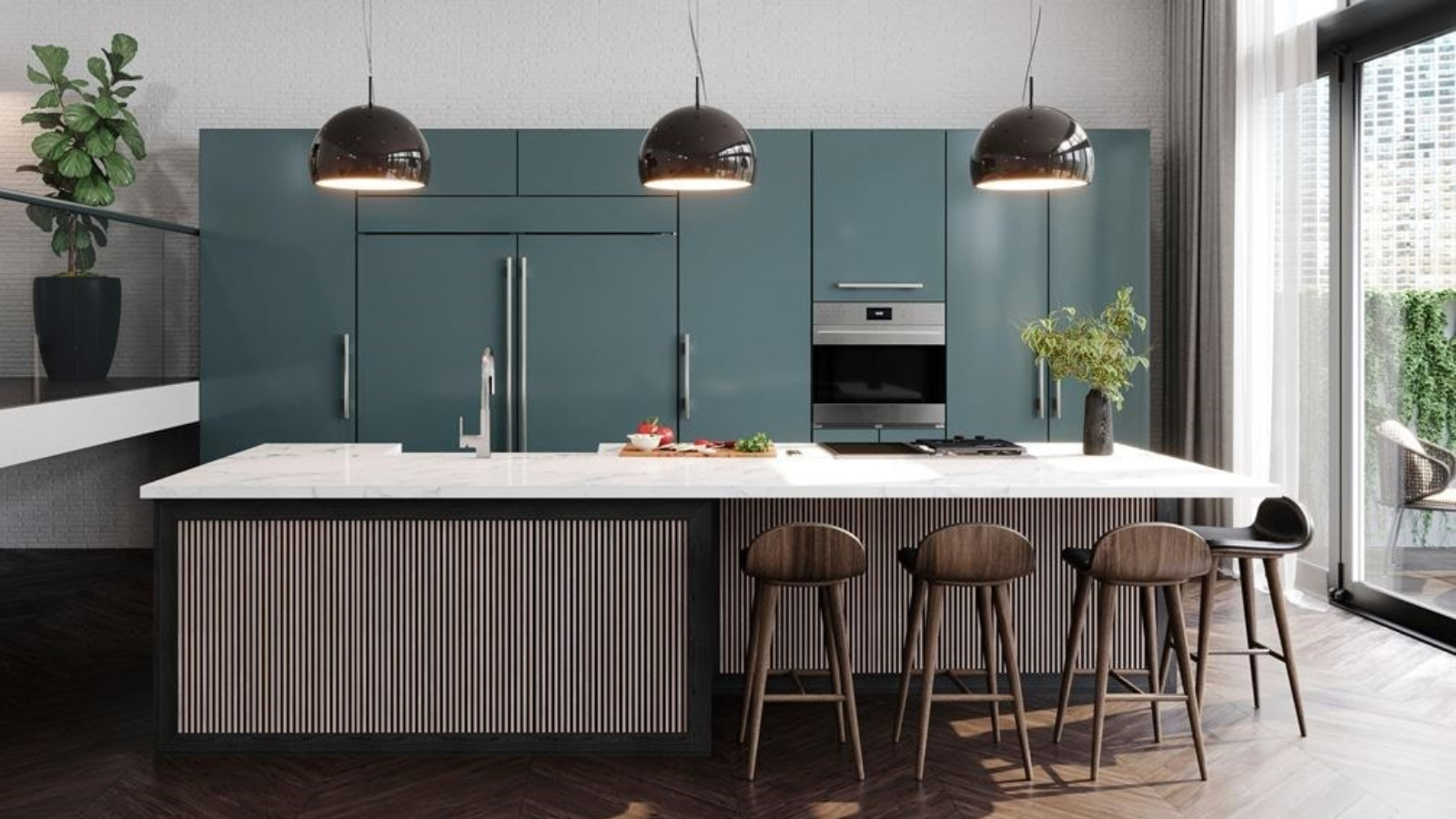
Built-in refrigerators are designed for cabinet integration because many homeowners want a clean, continuous kitchen front. The refrigerator face can sit flush with surrounding surfaces, and the unit can blend into the room instead of dominating it. In open kitchens, that visual calm is a big part of the appeal.
Integration can happen in two common ways. Some models are panel-ready, meaning they accept custom panels that match the cabinetry. Others keep a stainless look but still install in a built-in way, so the edges, gaps, and lines look deliberate. In both cases, the cabinetry does more than “frame” the appliance; it affects how the unit sits, breathes, and performs.
Built-In Refrigerator vs Counter-Depth vs Freestanding
A built-in refrigerator is the most integrated style, while counter-depth and freestanding models are easier to place and replace. All three can work well, but they solve different problems. Built-in prioritizes a seamless look, counter-depth reduces how far the unit sticks out, and freestanding offers the most flexibility.
When choosing, focus on real-life fit. Door swing, walkway space, and what the fridge looks like from across the room usually matter more than the numbers on a product page.
Cabinet Depth and Installation Differences
Built-in refrigerator units are installed into a dedicated opening and are planned as part of the cabinet layout. The built-in refrigerator cabinet is sized to the model, so the finished look feels intentional, not tucked in.
Counter-depth refrigerators sit closer to the counter line, but they still install like a standard unit and are not anchored the same way. Freestanding refrigerators are the simplest to swap, but they often sit farther out and look more like a standalone appliance.
Why Luxury Kitchens Choose Built-In Units
Luxury kitchens choose built-in units because they keep the design clean and consistent. When the refrigerator blends into the cabinet run, the whole kitchen looks more custom and less cluttered.
Homeowners shopping for a Sub-Zero built-in refrigerator, a Bosch built-in refrigerator, or a Thermador built-in refrigerator often expect long-term reliability and service support. A custom refrigerator setup also helps when the kitchen has tight sight lines, narrow walkways, or cabinetry that is meant to stay the visual focus.
What Is a Built-In Refrigerator Cabinet Setup?
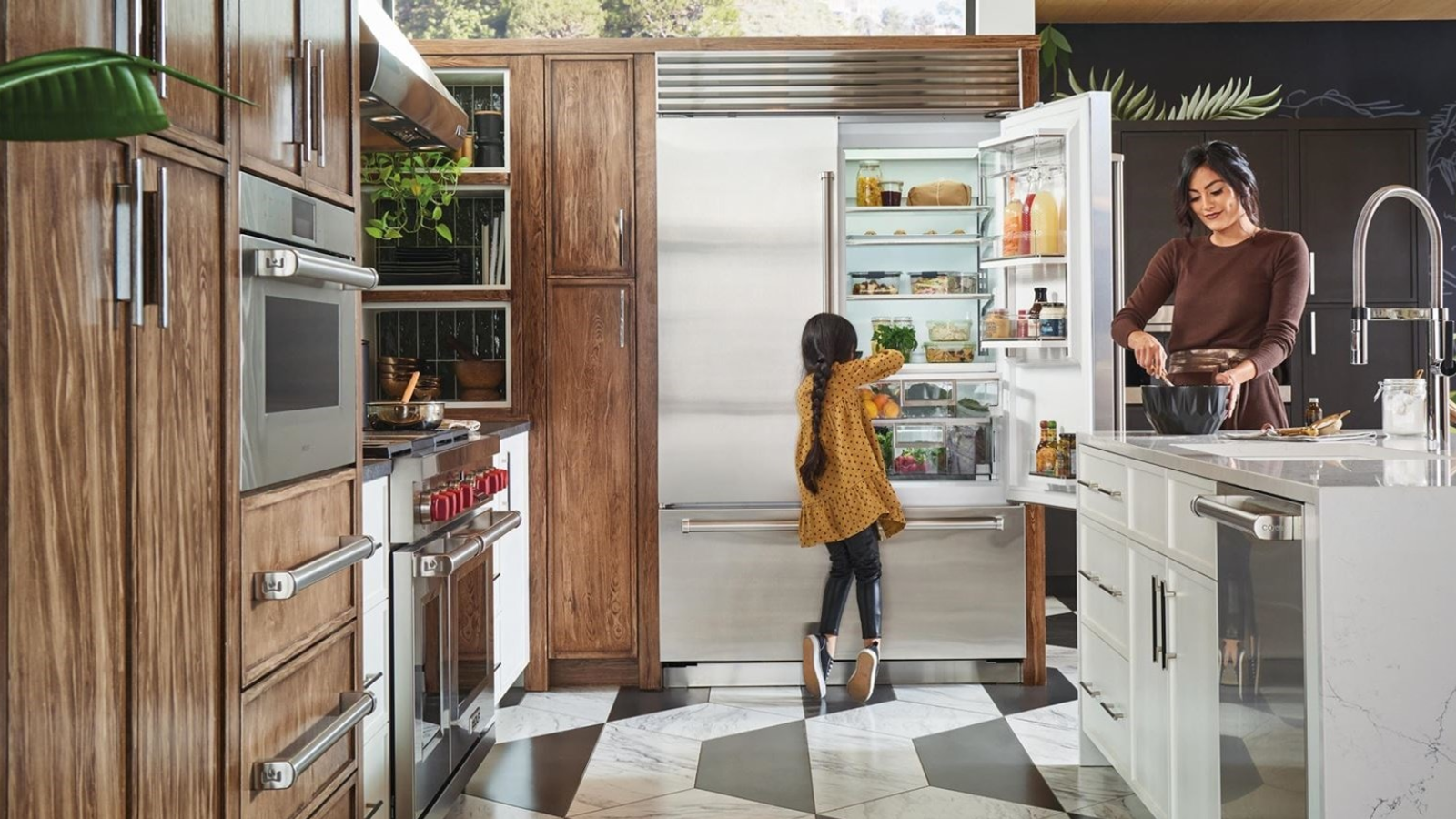
A built-in refrigerator cabinet setup is the opening and support structure your built-in refrigerator installs into, including the finished panels you see and the planning you do not, like fit, airflow, and service access. When it is designed around the model, the unit sits cleanly, runs quieter, and feels like it belongs in the kitchen. When it is treated like a standard cabinet box, problems can show up later, such as tight doors, extra vibration, or performance issues tied to restricted airflow.
Panel-Ready vs Stainless Steel Finishes
Panel-ready means the built-in refrigerator is made to accept matching cabinet panels so it blends into the cabinet run, which is why it is a popular choice for a custom refrigerator look.
Stainless steel keeps the appliance visible, but it can still be fully built-in and flush when the cabinet opening is precise. The main decision is timing, because panel-ready installs usually require more coordination between the cabinet design and the refrigerator model before anything is built.
Ventilation and Clearance Requirements
Ventilation and clearance matter because a built-in refrigerator creates heat and needs consistent airflow to push that heat out, even though it sits inside cabinetry. When airflow is restricted, the unit may run longer, sound louder, and cool less evenly over time.
Clearance also affects daily use; doors should open freely, drawers should slide out without catching, and nothing should rub when the kitchen gets busy, especially in tighter Southern California layouts with islands, corners, and high-traffic walkways.
Why Proper Installation Matters for Long-Term Performance
Proper installation matters because a built-in refrigerator needs an accurate fit, steady airflow, and a good door seal to run well over time. If the unit is slightly out of level, doors may sit unevenly, and seals may not close consistently, which can lead to warm spots, frost in odd areas, and longer run times. Restricted airflow can trap heat, and a tight opening can cause rubbing or rattling. Fixing these issues after cabinets and trim are finished is often harder than people expect.
Ownership and Maintenance Expectations
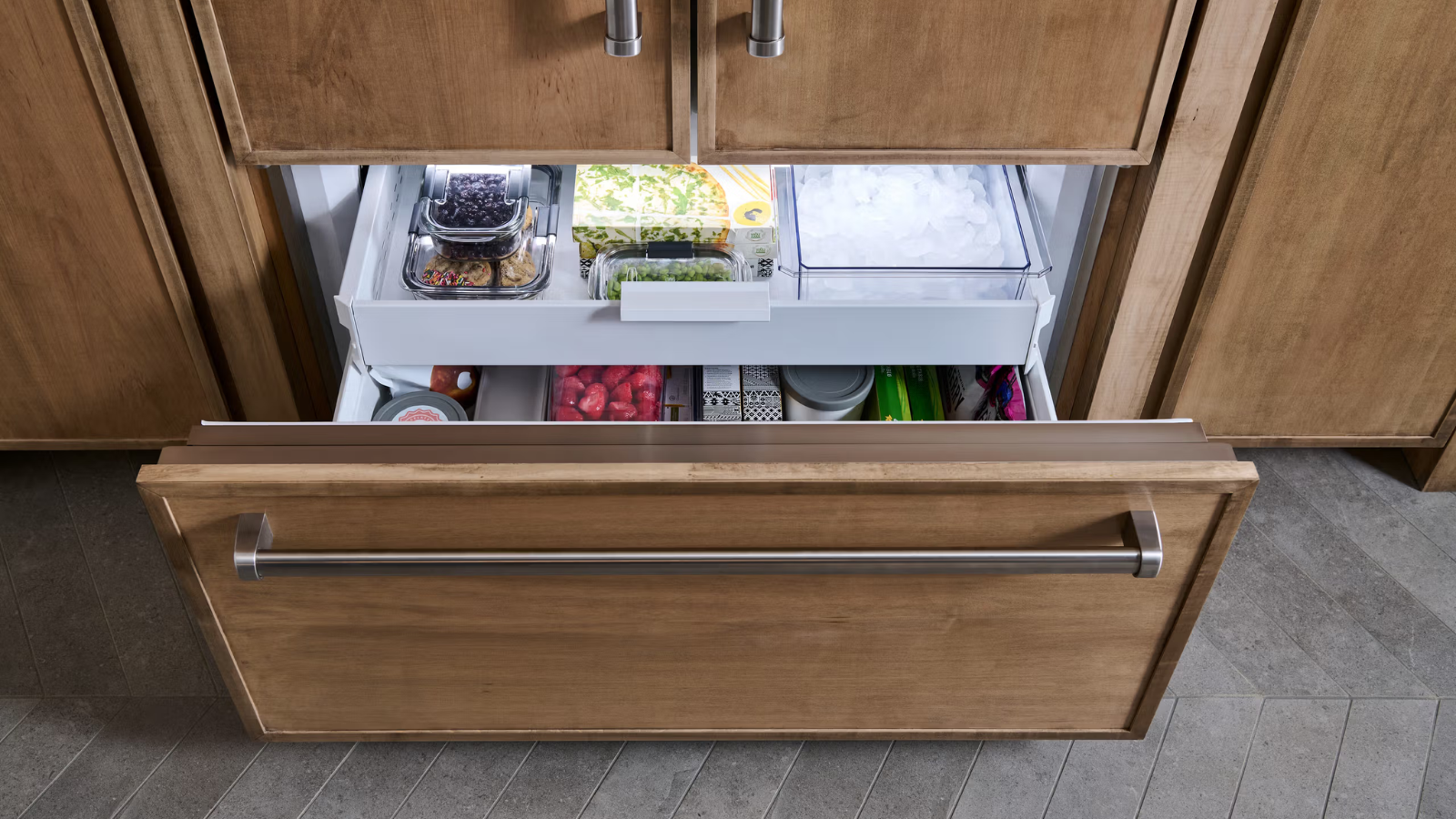
Built-in refrigerator ownership goes more smoothly when you stay consistent with simple care and take small changes seriously. Keep door seals clean, clear dust from vents and grills, and notice early warning signs like a new hum, a warmer shelf, or doors that need an extra push to seal.
Premium built-in fridge brands often benefit from periodic professional service to keep performance steady. Wilshire Refrigeration & Appliance provides factory-certified support across Southern California and Las Vegas, so your built-in refrigerator stays reliable for long-term use.
Frequently Asked Questions
What is the difference between a built-in refrigerator and a built-in fridge?
A built-in refrigerator and a built-in fridge usually mean the same thing, but a built-in refrigerator is the more common term for a fixed cabinet installation.
Is a built-in refrigerator worth it for long-term use?
A built-in refrigerator is often worth it for long-term use if you want a seamless look and you plan for proper installation and ongoing care.
Do built-in refrigerators require special maintenance?
Built-in refrigerators benefit from routine cleaning of seals and airflow areas, plus professional service when performance changes.
Can a built-in refrigerator be repaired instead of replaced?
A built-in refrigerator can often be repaired instead of replaced, especially when issues are addressed early and the correct parts are used.
Why should built-in refrigerators be serviced by factory-certified technicians?
Factory-certified technicians understand brand-specific systems and procedures, which helps protect performance and may help you stay aligned with manufacturer service guidelines.
Schedule Built-In Refrigerator Service With Wilshire Refrigeration
Built-in refrigerator systems are designed to last, but only when the cabinet plan, installation, and service match the appliance. If your built-in refrigerator cabinet setup is tight, airflow is restricted, or the unit is starting to run warm or sound different, it is smart to address it before it becomes a bigger disruption. That applies whether you own a Sub-Zero built-in refrigerator, a Bosch built-in refrigerator, a Thermador built-in refrigerator, or another custom refrigerator configuration.
Wilshire Refrigeration & Appliance Inc. has proudly served Southern California and Las Vegas since 1974, so our team knows what it takes to keep premium refrigeration running the way it was designed to run. Schedule factory-certified built-in refrigerator service when something feels off, because the right care keeps your kitchen running the way it should.