Quick Navigation
Table of Contents
Click To Expand
Quick Navigation
Table of Contents
Click To Expand
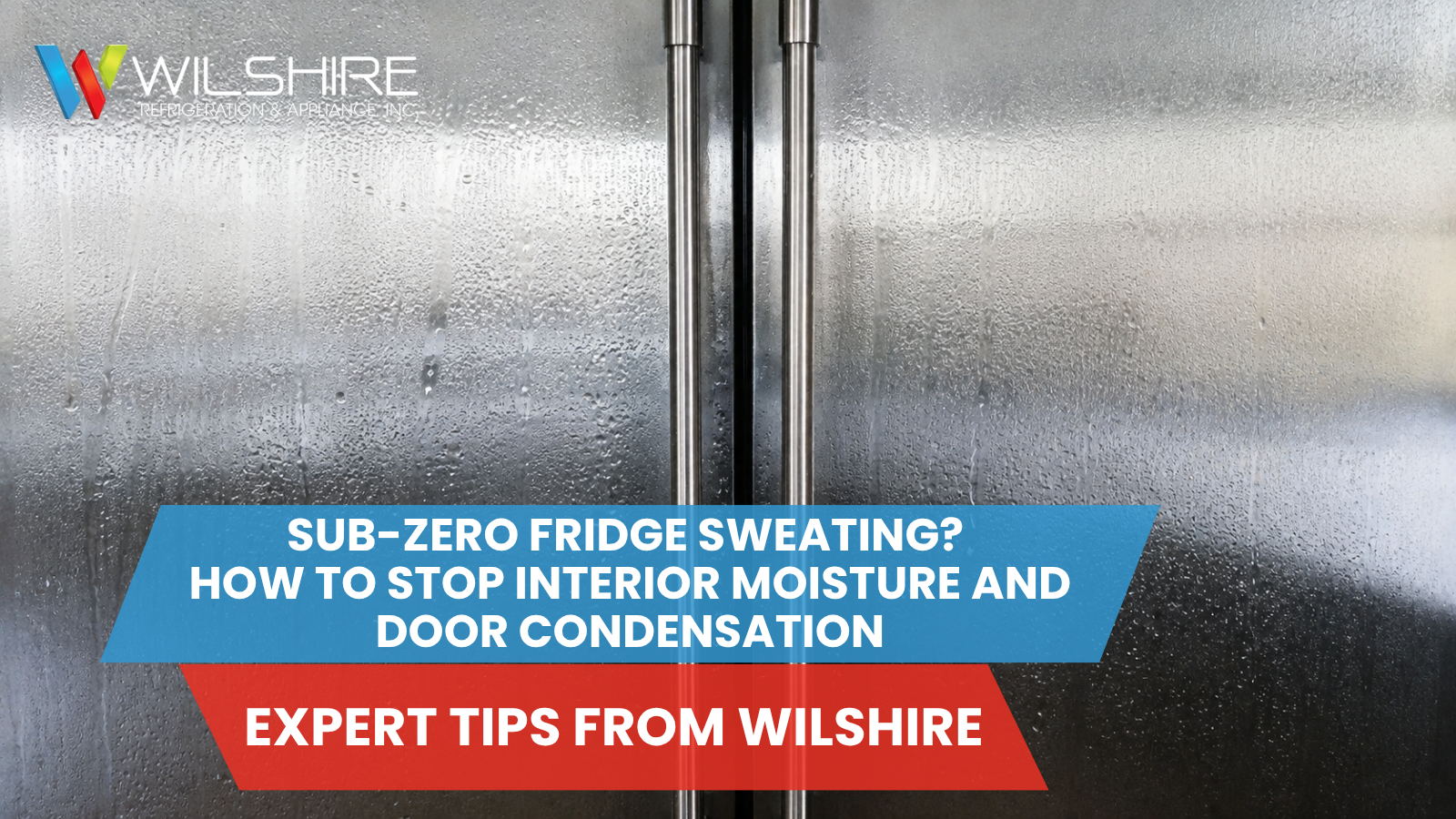
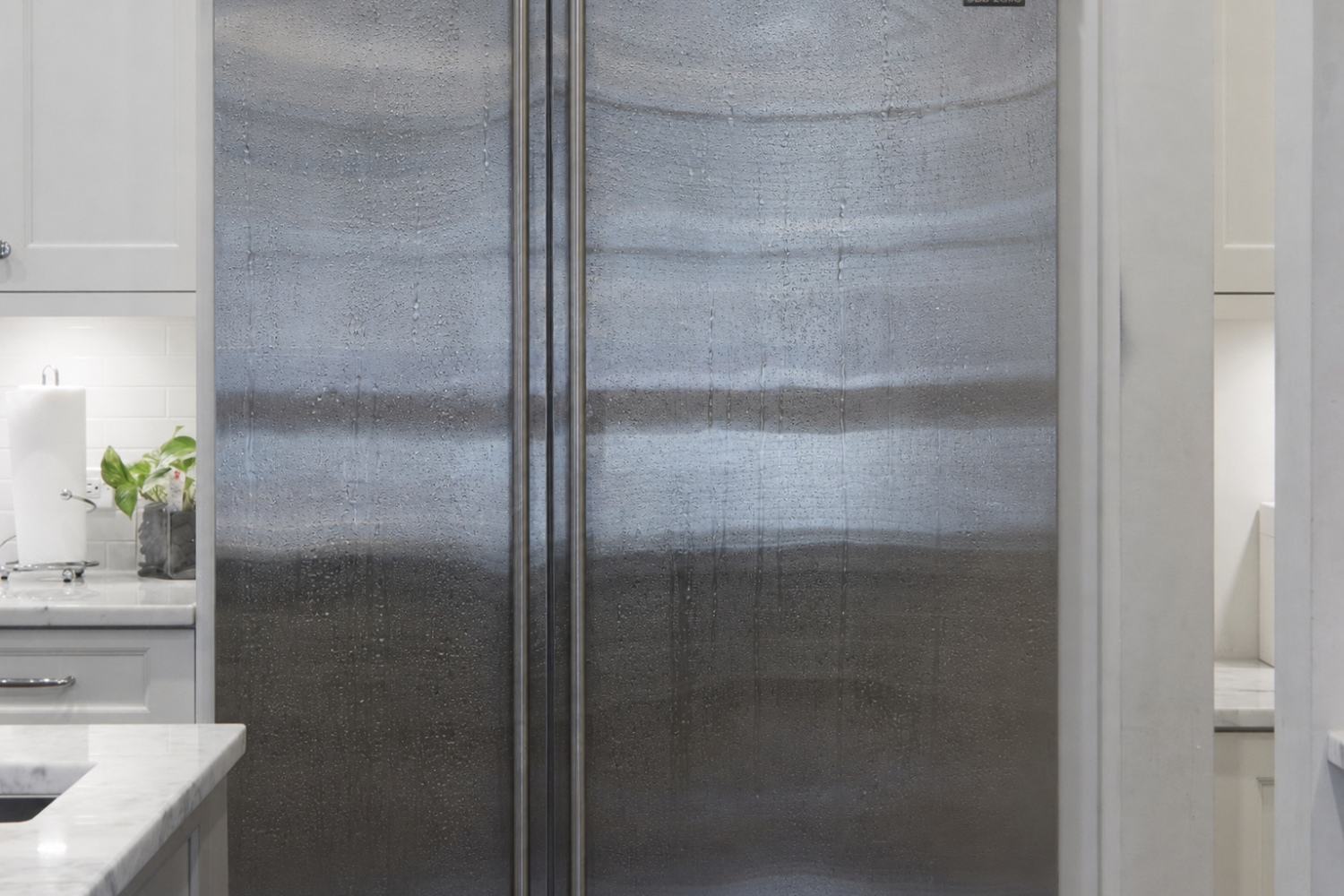
Why is your Sub-Zero refrigerator suddenly covered in moisture? A sweating Sub-Zero fridge may develop condensation after frequent door openings, during humid weather, or when the door no longer seals properly. A small amount of moisture can be normal, but repeated droplets, wet shelves, or water around the door deserve attention. Knowing where the moisture comes from can help you protect food, reduce excess condensation, and recognize when you may need professional service.
At Wilshire Refrigeration, experienced technicians can diagnose persistent Sub-Zero moisture problems and help determine the right repair or maintenance solution.
FACTORY-CERTIFIED APPLIANCE REPAIR
Luxury Appliance Trouble? Get Expert Help Fast.
From premium refrigeration to high-end kitchen appliances, our factory-certified team delivers trusted diagnosis and repair with the professionalism your home deserves.
Why Is My Sub-Zero Fridge Sweating?
A Sub-Zero fridge usually sweats when warm, humid air meets cold surfaces inside or around the refrigerator. The cause may be as simple as a door staying open too long, but ongoing moisture can also point to a gasket, temperature, or cooling problem.
Check several areas before assuming a major failure.
Common Causes of Moisture
Moisture often appears when too much warm air enters the refrigerator or when the appliance cannot maintain stable conditions. Frequent door openings, food blocking the door, damaged gaskets, high indoor humidity, and incorrect temperature settings can all contribute.
Sub-Zero notes that condensation can form on shelving, drawers, and interior glass after a door has been left open for a period of time. Warm climates can make the effect easier to notice.
The same basic concerns can affect different Sub-Zero appliances, including a Sub-Zero built-in refrigerator, a Sub-Zero side-by-side refrigerator and freezer, and other full-size refrigeration configurations.
Temperature Fluctuations
Temperature changes can make condensation more noticeable because warm, moisture-filled air condenses when it reaches cold refrigerator surfaces. A door that does not close completely can allow that cycle to repeat.
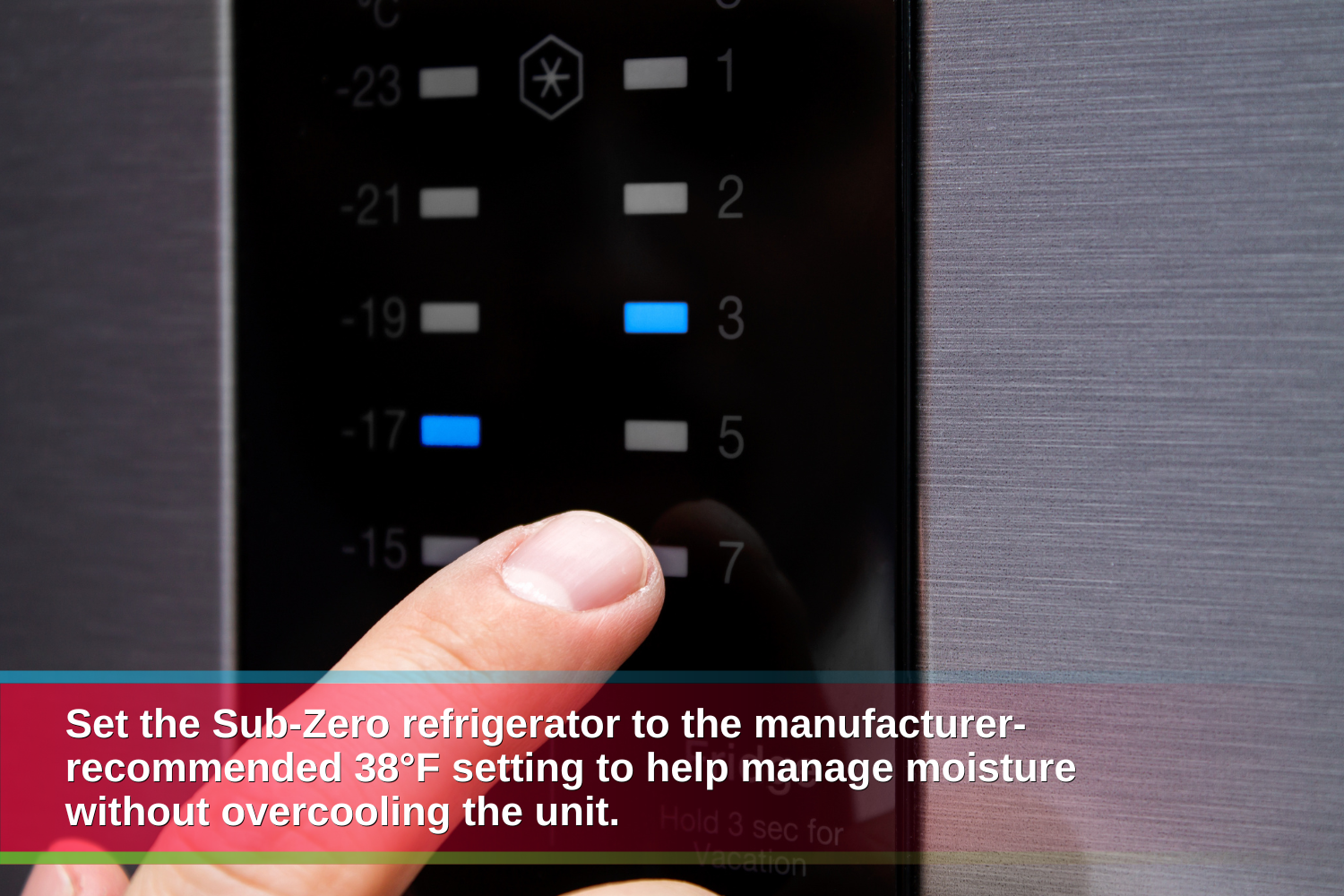
Sub-Zero recommends setting electronically controlled refrigerator compartments to 38°F and freezer compartments to 0°F. After changing a temperature setting, the appliance may need about 24 hours to reach the new temperature.
Avoid repeatedly lowering the temperature to dry the refrigerator. Set the correct temperature first, then check for air leaks, blocked doors, or other causes.
Humidity Levels
High humidity can cause a Sub-Zero refrigerator to develop light condensation even when the appliance is working normally. Sub-Zero specifically notes that some sweating can occur during hot or humid weather, particularly in homes without air conditioning, but dripping water should not be considered normal.
This distinction matters with a high-end refrigerator, since moisture control depends on both the appliance and the conditions inside the kitchen. Humid summer air that enters each time the door opens adds more moisture for the cooling system to manage.
Is Condensation Normal in a Sub-Zero Fridge?
Some condensation in a Sub-Zero fridge is normal, especially after the door has been open or during periods of high humidity. The amount, location, and persistence of the moisture help determine if there is reason for concern.A few droplets that disappear are different from water that returns daily or begins pooling inside the refrigerator.Acceptable Moisture Levels
Light fogging or small droplets can occur on shelves, drawers, or glass surfaces after warm air enters the refrigerator. Condensation inside crisper drawers may also be normal, as those drawers are designed for high-humidity food storage.Close the door and give the appliance time to stabilize. If the moisture fades and does not keep returning under normal use, there may be no mechanical problem.Some Sub-Zero fridges use separate refrigeration systems to manage fresh and frozen food conditions. Sub-Zero describes its Dual Refrigeration system as a way to maintain separate temperature and humidity conditions between refrigerator and freezer compartments.When It Becomes a Problem
Condensation becomes more concerning when water drips, pools beneath drawers, repeatedly covers interior surfaces, or appears with frost or unusual temperature changes. Persistent moisture can indicate that outside air is entering through a door that is not sealing correctly.Check for food packages preventing the door from closing. Inspect the gasket for visible tears, ripples, gaps, or dirt.If you own an older dual-compressor refrigerator, such as certain Sub-Zero 200 or 300 Series dual-control models, the refrigerator and freezer compartments may use separate compressors and controls. A cooling problem may therefore affect one compartment differently from the other.FACTORY-CERTIFIED APPLIANCE REPAIR
Luxury Appliance Trouble? Get Expert Help Fast.
From premium refrigeration to high-end kitchen appliances, our factory-certified team delivers trusted diagnosis and repair with the professionalism your home deserves.
How Do I Stop Interior Moisture?
Reducing interior moisture starts with maintaining the correct temperature, limiting warm-air entry, and allowing cold air to circulate. These simple checks can solve many minor condensation problems before you consider more extensive service.
Pay close attention to temperature settings, the door’s condition, and how food is arranged inside the refrigerator.
Proper Temperature Settings
Set the refrigerator to the manufacturer-recommended temperature rather than making it colder each time moisture appears. For electronic Sub-Zero controls, the recommended setting is 38°F for the refrigerator and 0°F for the Sub-Zero freezer.
Give the unit about 24 hours after a temperature adjustment. Constant changes make it harder to tell whether the original setting was actually causing the problem.
Correct temperatures also help the refrigerator maintain stable food-storage conditions without forcing unnecessary adjustments.
Door Seal Maintenance
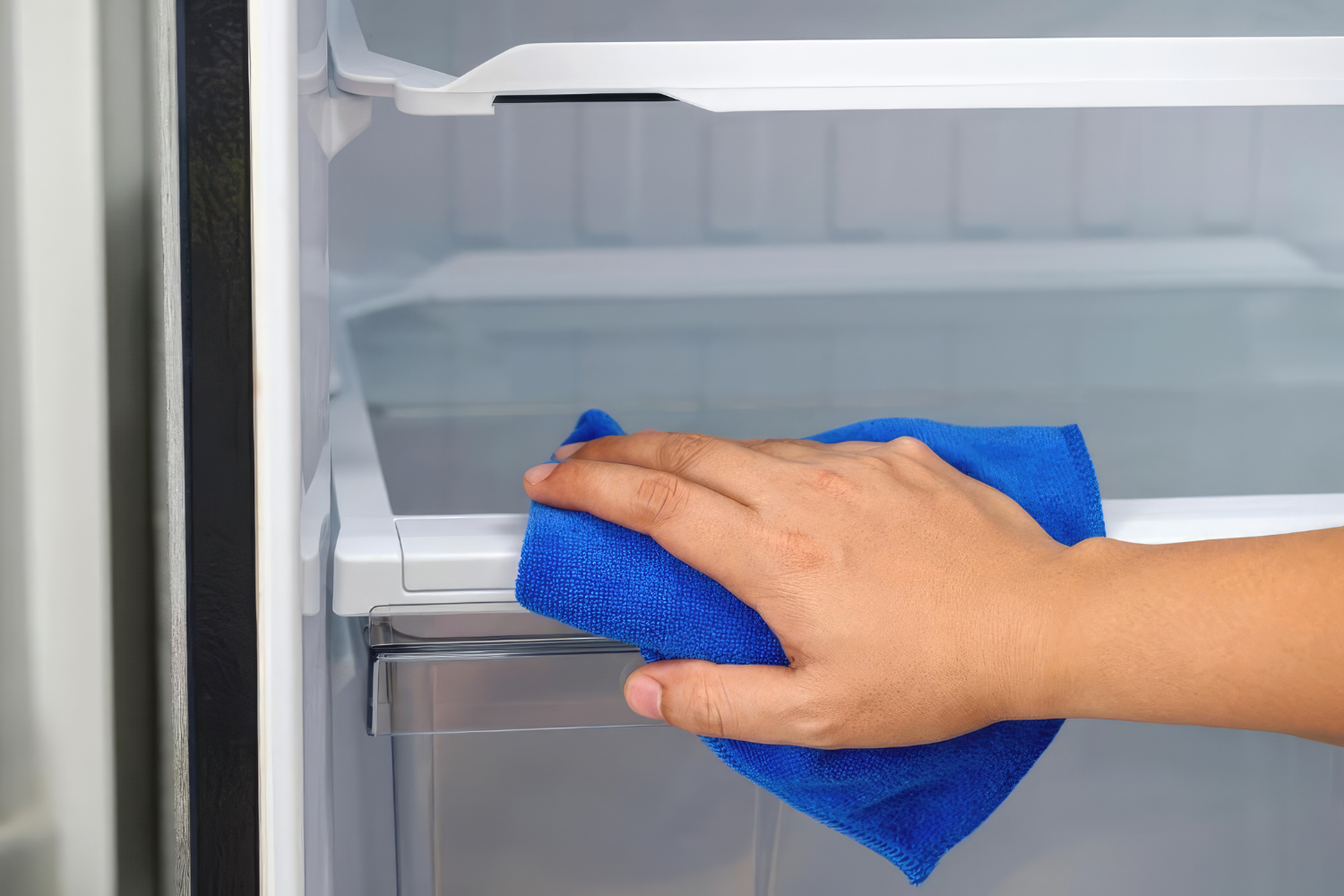
A clean, intact gasket helps keep humid room air outside the refrigerator. Inspect the gasket around the entire door and look for tears, ripples, dirt, or areas that no longer sit evenly against the cabinet.
Sub-Zero recommends inspecting the gasket when excessive moisture appears. A ripped or damaged gasket may need replacement rather than repeated cleaning or adjustment.
Also, make sure containers, shelves, or food packages are not keeping the door slightly open. Even a small obstruction can break the seal and let warm air in.
Air Circulation
Good air circulation helps the refrigerator maintain an even temperature around stored food. Avoid packing shelves so tightly that containers block normal airflow or interfere with the door.
Leave enough room for air to move around food and make sure large containers do not extend beyond shelf edges. The goal is not to keep the refrigerator half empty. The goal is simply to avoid arrangements that interfere with cooling or prevent the door from closing properly.
This applies to both the refrigerator and freezer sections, especially when moisture appears near drawers or along the back wall.
What Causes Door Condensation?
Door condensation usually forms when warm, humid air reaches a cold surface around the refrigerator door. A weak seal, repeated opening, or high room humidity can increase the amount of moisture that collects there.The pattern of the condensation can provide useful clues about what is happening.Warm Air Intrusion
Warm air enters each time the refrigerator door opens. Once that air cools, its moisture can settle on colder surfaces as droplets.This effect is more noticeable during humid weather. If condensation mainly occurs after cooking, entertaining, or repeated door openings, normal air exchange may be contributing to the problem.Allow the refrigerator time to recover with the door closed. Continued sweating despite normal use deserves a closer inspection.Worn Gaskets
A worn gasket can allow a steady stream of humid room air into the refrigerator even when the door appears closed. Moisture may then continue forming around the door, shelving, or interior walls.Inspect the gasket for tears, ripples, hardened areas, and visible gaps. Sub-Zero advises replacing a damaged gasket when needed.Cleaning can help when food residue or dirt prevents proper contact, but physical damage may require professional attention or replacement.Frequent Door Openings
Opening the refrigerator frequently gives warm air more chances to enter. Longer openings create an even larger exchange of cold and humid room air.This does not mean the appliance should stay closed at all costs. Instead, decide what you need before opening the door, put food away promptly, and avoid leaving the door standing open while preparing a meal.These habits can be especially useful during humid weather, when condensation forms more easily.How Can I Prevent Condensation Long-Term?
Long-term condensation control depends on reducing unnecessary warm-air entry and keeping the refrigerator in proper operating condition. Consistent care is usually more effective than reacting only after moisture becomes heavy.Prevent condensation with these practical steps:- Keep fridge doors closed as much as possible: Shorter door openings reduce the amount of humid room air entering the refrigerator.
- Regularly clean and inspect door gaskets: Check for dirt, tears, gaps, or ripples that could prevent a complete seal.
- Adjust temperature and humidity settings correctly: Keep electronically controlled refrigerator and freezer sections near the manufacturer-recommended settings of 38°F and 0°F unless model-specific instructions state otherwise.
- Avoid overloading shelves to maintain airflow: Leave enough space for cold air to circulate and make sure stored food does not block the door.
- Schedule routine maintenance with Wilshire Refrigeration: Professional inspection can help identify cooling, sealing, or component problems when condensation keeps returning.
Should I Call a Professional for Sub-Zero Moisture Issues?
Professional service makes sense when condensation continues after basic temperature, gasket, door, and airflow checks. Dripping water, recurring frost, unstable temperatures, or visible water buildup may signal a problem that needs diagnosis rather than another adjustment.A trained technician can inspect parts of the refrigeration system that a homeowner can’t safely test.When DIY Isn’t Enough
Professional service may be needed when moisture keeps returning or appears with other cooling problems. Watch for signs such as:- Persistent condensation: Moisture returns even when humidity is “normal”, and the doors are used properly.
- Poor cooling: The refrigerator struggles to maintain the set temperature.
- Frost or ice buildup: Excess frost may point to airflow, sealing, or cooling issues.
- Leaking water: Pooled or dripping water should be checked before it causes further problems.
- Possible component issues: Fans, sensors, thermostats, compressors, evaporators, condensers, or door seals may need inspection.
Benefits of Expert Service
Professional diagnosis helps separate normal humidity-related condensation from a mechanical or sealing problem. A technician can check temperature performance, gaskets, airflow, condenser condition, and relevant components based on the specific model.This can be particularly useful for older built-in units or premium configurations where access and component layouts differ from standard refrigerators.Wilshire Refrigeration can inspect Sub-Zero refrigeration systems when home troubleshooting no longer solves the moisture problem. Accurate diagnosis helps determine what needs attention before you decide on a repair.FACTORY-CERTIFIED APPLIANCE REPAIR
Luxury Appliance Trouble? Get Expert Help Fast.
From premium refrigeration to high-end kitchen appliances, our factory-certified team delivers trusted diagnosis and repair with the professionalism your home deserves.
Frequently Asked Questions
Why does my Sub-Zero fridge have water droplets inside?
Water droplets can form when warm, humid air enters a cold Sub-Zero fridge, especially after frequent or extended door openings.
How do I fix condensation on my Sub-Zero refrigerator door?
Check the temperature setting, clean and inspect the door gasket, remove anything blocking the door, and reduce long or frequent openings.
Can high humidity cause my Sub-Zero fridge to sweat?
Yes, high indoor humidity can cause a Sub-Zero refrigerator to sweat, although persistent dripping should be investigated.
How often should I check the gaskets on my Sub-Zero fridge?
Inspect the gasket whenever condensation, frost, sealing problems, or unusual temperature changes appear, and include a quick visual check during routine cleaning.
Is moisture buildup in a Sub-Zero fridge a sign of a bigger problem?
Persistent moisture can indicate a door seal, temperature, airflow, condenser, or refrigeration issue, especially when accompanied by leaks, frost, or poor cooling.
Want Your Sub-Zero Fridge Dry and Efficient?
A sweating Sub-Zero fridge does not always mean the refrigerator is failing. Light condensation can result from humidity or frequent door openings, while recurring moisture may point to a worn gasket, incorrect temperature, blocked airflow, or another cooling concern. If basic checks do not stop the problem, professional service can help identify the cause before moisture becomes a larger issue.
Contact Wilshire Refrigeration for professional Sub-Zero refrigerator service and expert diagnosis to help keep your appliance dry, efficient, and operating properly.