What Does It Mean When a Freezer Is Frosting Up?
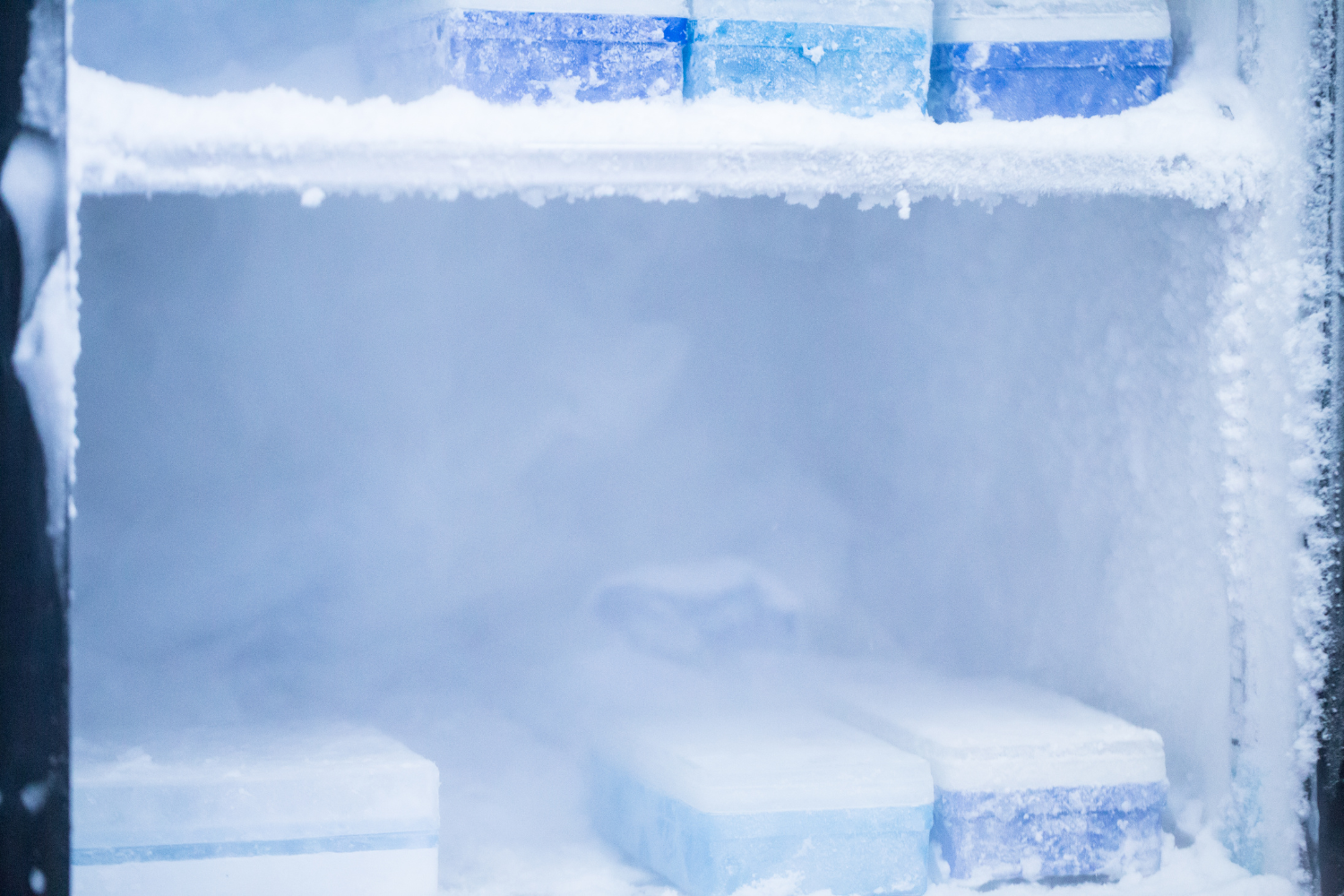
Frost forms when warm, humid air enters the cold compartment and freezes instantly onto the walls and shelves. While a tiny bit of frost in freezer units is normal, heavy or repeated buildup usually signals a deeper problem. These issues typically involve poor airflow, failing door seals, or a glitch in the automatic defrost cycle.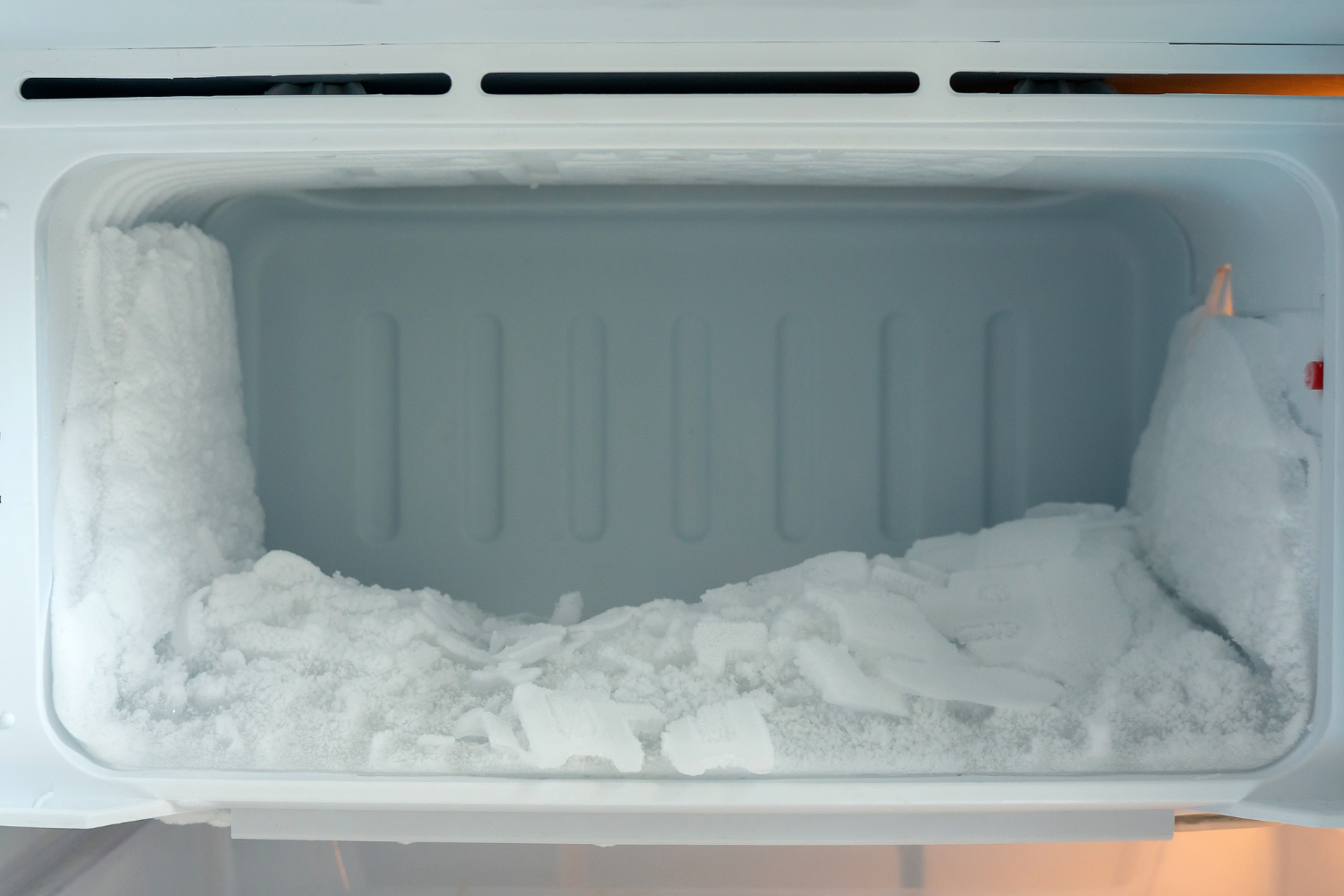
Why Is My Freezer Frosting Up?
A freezer usually frosts up due to a leaky door seal, frequent door openings, blocked vents, or a bad temperature setting. You might also be dealing with a failed defrost system or moisture released from hot food. Addressing these specific areas can quickly stop the cycle of freezer frosting up in your home:- Bad door seals: Dirt, cracks, or loose rubber gaskets prevent an airtight seal, allowing warm, humid room air to seep into the appliance.
- Frequent door openings: Leaving the door open for too long or constantly opening it replace dry, cold air with warm, moist air.
- Incorrect temperature settings: Setting the thermostat too high or too low reduces cooling efficiency. (Most experts recommend keeping your freezer at 0°F or -18°C).
- Blocked vents: Pushing large boxes of food directly against the back wall prevents proper air circulation and creates localized cold spots where frost forms.
- Failed defrost systems: If the timer, heater, or thermostat fails in a modern frost-free model, small amounts of ice cannot melt and will continue to accumulate throughout the interior.
- Clogged defrost drains: A frozen or blocked drain traps melted water inside the unit, causing it to quickly refreeze into a thick sheet of ice on the floor or under drawers.
- Storing hot food: Hot meals release steam and moisture that instantly turn to frost as soon as they touch cold walls or frozen packages.
- Improper stocking: An overpacked freezer blocks crucial airflow, while a mostly empty freezer loses its temperature-stabilizing “cold mass” every time the door opens.
How Can You Tell What Is Causing the Frost in Your Freezer?
Troubleshooting starts with a simple visual inspection of where the ice is gathering. Finding the exact location of the buildup can save you time and help you avoid unnecessary repairs. Use these steps to narrow down the problem.Where Is the Frost Building Up?
Frost around the door usually indicates a leaking seal, while ice on the back wall suggests a vent or defrost issue. If you see crystals specifically on food packages, you might be loading items while they are still warm. The location provides the biggest clue to why there is frost in my freezer.What Does the Door Seal Look and Feel Like?
Run your hand along the rubber gasket to feel for stiff or warped sections. Look for visible dirt, cracks, or tears that might be breaking the suction. A seal that feels hard instead of squishy will almost always lead to ice buildup in freezer compartments.Are Food Packages or Shelves Stopping the Door From Closing Fully?
Check for boxes or bags that might be peeking over the edge of the shelves. Even a small plastic bag resting against the door can prevent a tight seal. Make sure all drawers are pushed back fully so they do not hit the door liner.Is the Freezer Running Longer Than Usual?
A motor that never seems to stop is often trying to overcome heavy ice buildup on the cooling coils. Heavy frost acts like insulation, making it much harder for the freezer to stay cold. This extra work can lead to a complete appliance breakdown if left unaddressed.How Do You Fix a Freezer That Is Frosting Up?
Most frost issues can be resolved with a thorough cleaning and a few simple adjustments to your storage habits. These practical steps help restore airflow and sealing power. Follow these methods to clear out the ice and get your appliance back to normal:- Clean the door seal: Wipe away grime with warm water and mild soap, then dry it thoroughly so the rubber can grip the metal frame tightly. Avoid harsh chemicals that can crack or make the seal brittle.
- Clear blocked vents: Reorganize your shelves by moving bulky items away from the circular or rectangular vents on the back and side walls. Leave a small gap between your food and the walls to ensure proper airflow.
- Adjust the temperature setting: Locate your thermostat and verify it is set to the manufacturer’s recommended range, which is typically 0°F. If you change the setting, allow the unit 24 hours to stabilize.
- Improve your door habits: Minimize the time the door is open by deciding what you need beforehand. Always double-check that the door clicks completely shut when you walk away.
- Perform a manual defrost: If the ice is too thick to see the walls, unplug the unit and let the frost melt naturally. Never use a sharp knife to scrape it away. If the heavy frost returns immediately, you likely have a failed mechanical part.