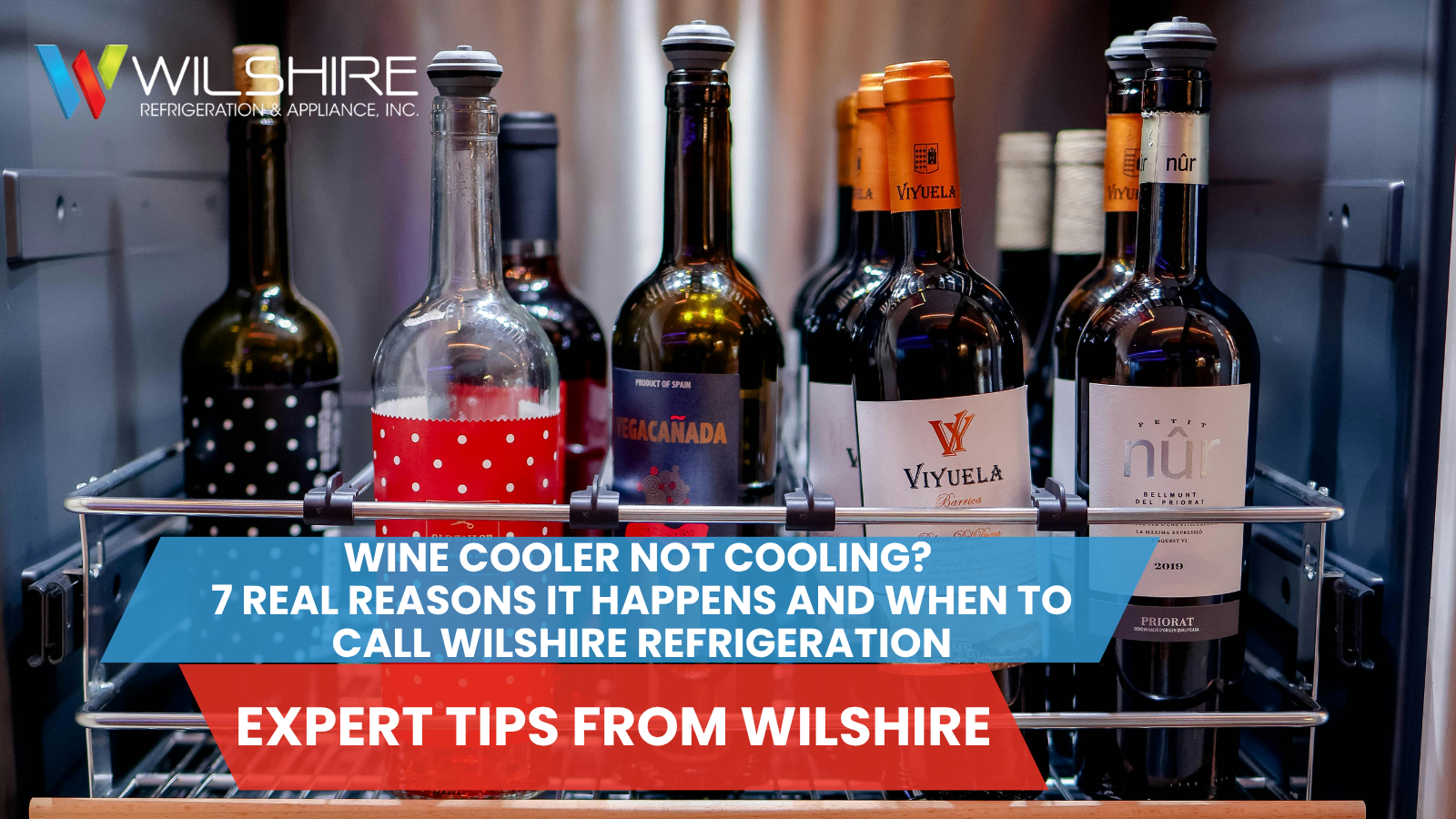
You open the door expecting a perfectly chilled Cabernet, only to find the bottles feel noticeably warm to the touch. It is a frustrating moment for any collector. Finding your wine cooler not cooling puts your entire collection at risk of permanent heat damage. This sudden loss of climate control usually stems from airflow blockages, dusty coils, worn-out door seals, or broken fans. You might also be dealing with a faulty thermostat or a failing compressor. The following guide breaks down exactly what to check first and when to call the Wilshire Refrigeration team for expert help.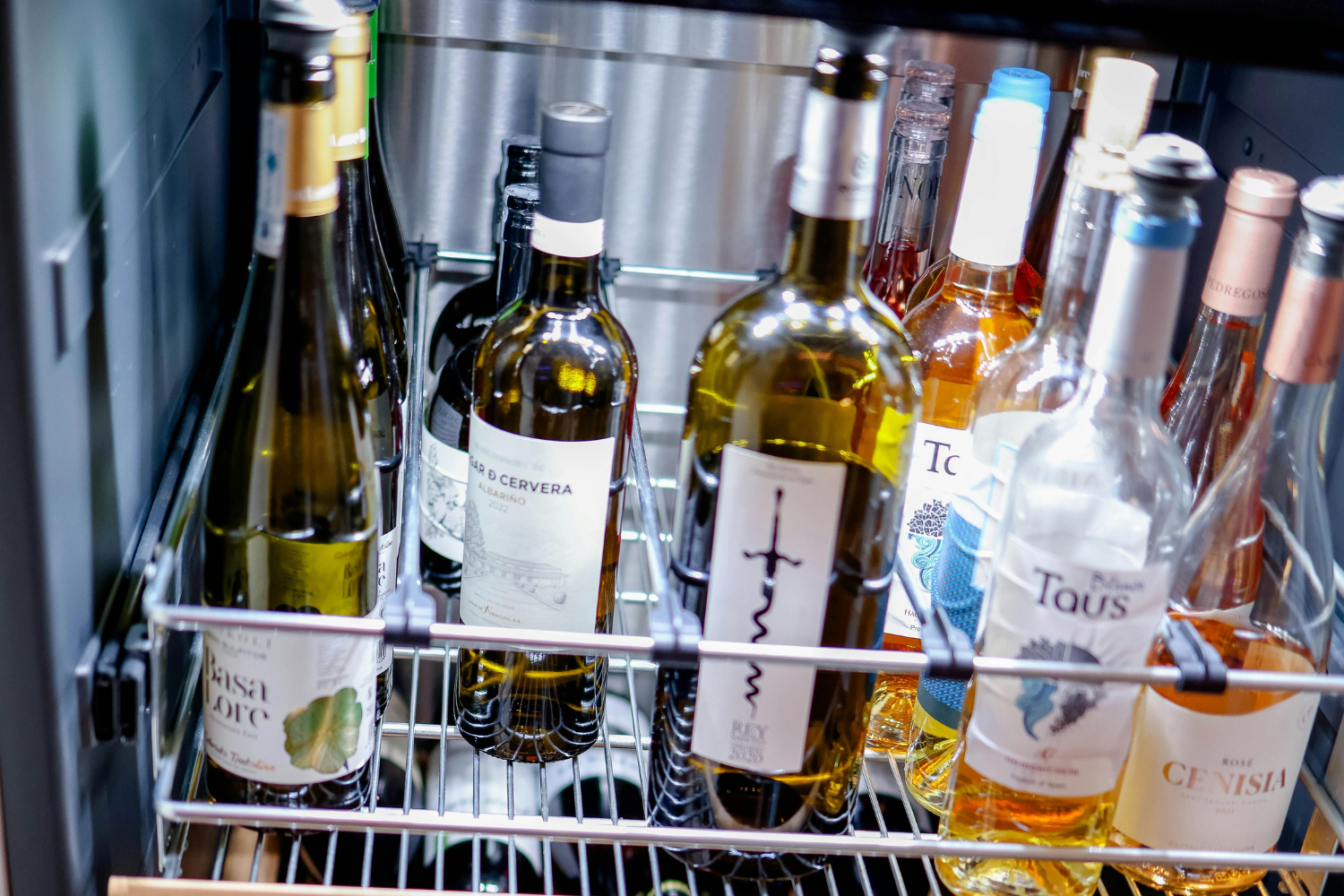
Why Is Your Wine Cooler Not Cooling?
Figuring out why your wine cooler is not cooling comes down to checking the most common failure points first. A simple power loss, a blocked vent, or a complete mechanical breakdown could be the culprit. Some minor issues are easily fixed at home with basic cleaning. Complex electrical or refrigerant problems will always require a factory-trained technician.1. Is the Temperature Setting Causing Wine Cooler Temperature Problems?
Wine cooler problems often stem from incorrect control settings, such as an accidental button press that can make the unit seem broken. Always check the digital display first, and keep the thermostat between 45°F and 65°F (7°C and 18°C). Red wines age best at 55°F–65°F (13°C–18°C), while whites need 45°F–50°F (7°C–10°C). Staying within these ranges prevents overworked parts and ensures proper storage.2. Are Blocked Vents or Poor Airflow Keeping the Wine Cooler From Cooling?
Proper airflow is essential for even cooling, so blocked vents or overcrowded shelves can trap heat and leave bottles warm. Leave space between bottles and ensure the fridge itself isn’t pushed against a wall, since exterior vents also need clearance. Good circulation inside and out keeps the compressor from overheating and maintains consistent temperatures.3. Are Dirty Condenser Coils Making Your Wine Cooler Run Warm?
Dust and pet hair on condenser coils block heat release, forcing the compressor to work harder and run warm. Regular cleaning prevents strain and early failure. Always unplug the unit and use a vacuum with a soft brush to remove debris. Avoid harsh tools or sprays that could damage refrigerant tubes.4. Is a Worn Door Seal Letting Cold Air Escape?
A damaged gasket lets cold air escape and warm air enter, making cooling impossible and driving up energy use. Test the seal by closing a dollar bill in the door. If it slips out easily, the gasket is weak. Leaks cause the compressor to run nonstop, leading to condensation that can ruin wine labels.5. Could a Broken Fan Be the Reason Your Wine Fridge Is Not Cooling?
Fans move hot and cold air through the system, so if they fail, cooling stops entirely. The condenser fan prevents overheating, while the evaporator fan distributes chilled air. Warning signs include silence, grinding noises, or ice buildup near vents, all indicating fan motor trouble.6. Is the Thermostat or Temperature Sensor Giving the Wrong Reading?
Cooling depends on accurate sensor readings, and a faulty probe can trick the system into thinking the cabinet is already cold. This prevents the compressor from running, leaving the wine to warm. Check for error codes and ensure no bottle is pressing against the sensor, as simple repositioning can fix false readings.7. Is the Compressor or Sealed System Failing?
The compressor drives refrigerant through the system, and failure here is serious. Clicking, humming, or clunking noises often signal the motor can’t start, leaving the interior warm. Because refrigerant handling requires specialized tools and certification, repairs should be performed only by professionals to avoid damage or safety risks.How to Fix a Wine Fridge That Is Not Cooling Before You Call for Service
Learning how to fix a wine fridge that isn’t cooling starts with ruling out basic mistakes. You can handle several safe checks on your own in just a few minutes. This proactive approach saves time and prevents unnecessary service bills. Review this list of safe first checks and crucial mistakes to avoid before requesting a professional service visit:- Verify the power source: Test the wall outlet with a lamp or another small device to ensure electricity is actually reaching the appliance.
- Check the thermostat settings: Review the control panel to ensure the unit is set to the correct temperature for your specific wine collection.
- Clear the internal air vents: Look inside the cabinet to confirm that no bottles or boxes are blocking the airflow.
- Clean the condenser coils: Vacuum the back or bottom coils to remove thick dust and pet hair that might trap heat and prevent proper cooling.
- Inspect the rubber door seal: Check the gasket for any gaps, tears, or loose spots that allow cold air to escape.
- Avoid button mashing: Do not press every button on the control panel because rapid adjustments can lock up the internal computer.
- Leave sealed panels alone: Do not grab a screwdriver and force open sealed metal panels without proper technical training.
- Do not touch internal wiring: Never attempt to patch a refrigerant leak or tamper with the compressor wiring yourself.
When Should You Call a Professional About a Wine Cooler Not Cooling?
Some breakdowns are simply too complex for an average homeowner to tackle safely. Knowing when to step back and call an expert protects your valuable wine collection. Fast professional intervention is the best way to prevent permanent heat damage. Watch for these specific warning signs that indicate the issue requires a professional technician to prevent further damage:- Constant running with no chill: The cooler runs constantly for hours, but the interior remains warm.
- Strange smells or sounds: Burning plastic odors or loud grinding noises occur during operation.
- Starting failures: The compressor clicks repeatedly but never turns on.
- Failed troubleshooting: Basic cleaning and troubleshooting fail to restore cold temperatures.
Why Wilshire Is the Right Choice for Premium Wine Cooler Repair
Wilshire Refrigeration specializes in handling delicate luxury appliances with the utmost care. Factory-trained technicians understand the complex engineering behind high-end refrigeration systems. Professionals arrive with the right tools to diagnose built-in units accurately on the very first visit. Trusting an experienced team means protecting the unit’s long-term reliability and the safety of an entire wine collection.How Can You Prevent Wine Cooler Cooling Problems in the Future?
Smart placement and consistent care are the actual secrets to a long-lasting appliance. Taking a few minutes a month to maintain the unit prevents most mechanical failures. Incorporate these simple routine habits to reduce stress on the motor and ensure optimal performance:- Vacuum the condenser coils: Clean them 2 or 3 times a year to keep heat flowing outward efficiently.
- Wipe down the door gasket: Clean the rubber seal with a damp cloth every few weeks to prevent sticky residue from tearing the material.
- Space out your collection: Leave a tiny gap between your wine bottles to allow cold air to circulate properly around the glass.
- Choose a smart location: Place the cooling unit away from sunny windows and heating vents to keep the exterior casing cool.