
Quick Navigation
Table of Contents
Click To Expand
Quick Navigation
Table of Contents
Click To Expand
A refrigerator is the one appliance in the house that never gets a day off. It guards your groceries around the clock, which is exactly why a change in how it runs is worth noticing. If you have wondered how often a refrigerator should run, the short answer is that most units cycle on and off, operating between 30% and 50% of the day.
A fridge that suddenly runs all the time is trying to tell you something. The cause might be a dusty coil or a worn seal, and sometimes it points to a part that is starting to fail.
Knowing what normal looks like makes the difference easy to catch. Wilshire Refrigeration shares these expert insights so households can keep their appliances running smoothly and spot trouble before it spreads. Here is what a healthy cycle looks like, why a fridge runs nonstop, and how to bring it back to normal.
FACTORY-CERTIFIED APPLIANCE REPAIR
Luxury Appliance Trouble? Get Expert Help Fast.
From premium refrigeration to high-end kitchen appliances, our factory-certified team delivers trusted diagnosis and repair with the professionalism your home deserves.
What Is the Normal Refrigerator Cycle Time?
Normal cycle time depends on the model, room temperature, and how often the door opens, but there are solid averages to judge performance. A healthy fridge runs in cycles, cooling down, resting, then kicking back on. The two points below show what that looks like for both standard and high-efficiency units.Average Daily Runtimes
A standard refrigerator runs about 30% to 50% of the time, which works out to roughly 8 to 12 hours a day. The compressor switches on to lower the temperature, then shuts off once the inside is cold enough, and repeats the cycle around the clock. Warm days, a full grocery haul, or a door that gets opened often will push runtime toward the higher end. This on-and-off rhythm is exactly what you want to see.High-Efficiency Model Differences
High-efficiency models often run far longer than older units, sometimes 80% to 90% of the day, and that is by design. These fridges use variable-speed compressors that run at a low, quiet speed instead of switching fully on and off. Running longer at a gentle pace uses less energy and holds a steadier temperature than the hard on-off cycling of older machines. So a newer fridge that seems to run almost constantly may be working exactly as intended.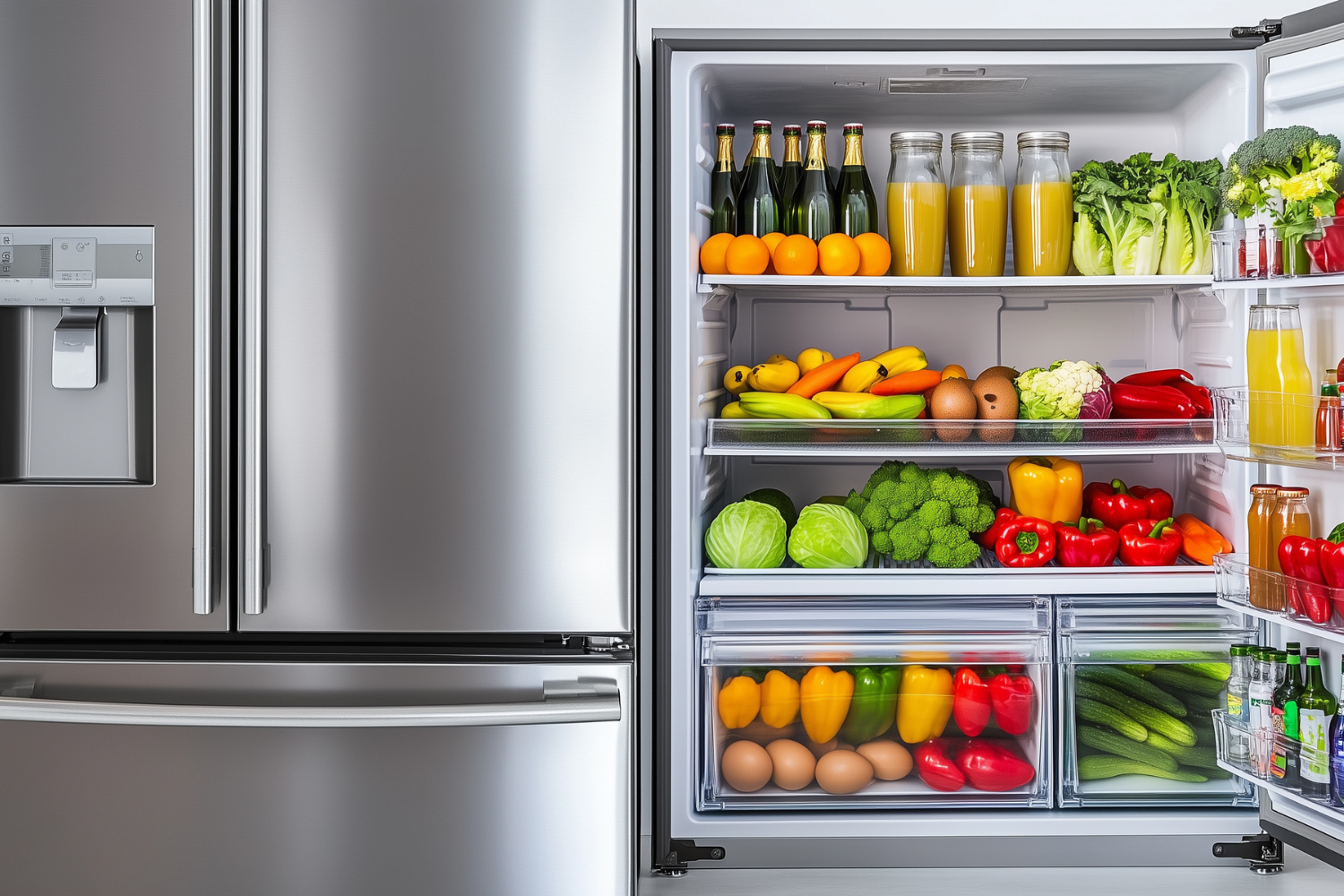
Why Is the Refrigerator Constantly Running?
Common culprits that keep the compressor running continuously include:- Dirty condenser coils: Dust and pet hair trap heat, forcing the system to work harder.
- Worn door gaskets: Damaged seals allow cold air to escape and warm air to enter.
- Blocked air vents: Improperly stored food restricts internal airflow.
- High ambient temperatures: Placing the unit near ovens, radiators, or direct sunlight increases the cooling load.
- Incorrect temperature settings: Setting the thermostat too low forces it to run continuously.
FACTORY-CERTIFIED APPLIANCE REPAIR
Luxury Appliance Trouble? Get Expert Help Fast.
From premium refrigeration to high-end kitchen appliances, our factory-certified team delivers trusted diagnosis and repair with the professionalism your home deserves.
How Does Continuous Operation Affect the Appliance?
Running without enough downtime takes a toll on both the machine and your wallet. A compressor that never rests wears out faster, costs more to run, and can struggle to keep food at a safe temperature. The three effects below show why a refrigerator running constantly is worth fixing quickly.Increased Energy Costs
A refrigerator that runs constantly uses noticeably more electricity than one that cycles normally. The compressor is the hungriest part of the appliance, and keeping it on for hours past its normal share shows up on the power bill. Many households see a clear jump in monthly costs before they even realize the fridge is the reason.Accelerated Component Wear
A compressor that runs without breaks wears out well before its time. Like any motor, it is built to rest between cycles, and constant operation brings on mechanical fatigue that shortens the appliance’s lifespan. What starts as a fridge that runs too much can end as a dead compressor and a costly replacement.Compromised Food Safety
Nonstop running often means the fridge cannot reach a safe internal temperature, which puts food at risk. When the system runs and runs but never quite gets cold enough, perishable items sit in a danger zone where bacteria grow faster. That raises the chance of spoiled groceries and wasted money.
How to Stop a Refrigerator from Running Constantly?
Learning how to stop a refrigerator from running constantly usually starts with simple maintenance and smart loading, not a service call. Clean coils, tight seals, and the right temperature settings solve a large share of cases. Here is where to begin.Condenser Coil Maintenance
Cleaning the condenser coils is one of the most effective fixes for a fridge that runs too much. Find the coils behind the kick plate at the bottom or on the back of the unit, unplug the fridge, and vacuum away the dust and pet hair that coat them. Doing this every six months keeps airflow open so the system can shed heat and cool efficiently. Clogged coils are one of the most common reasons a compressor overworks.Door Gasket Replacements
Checking the door seal takes about ten seconds with the dollar bill test. Close a dollar bill in the door, then tug it out, and if it slides free with no resistance, the gasket is too loose to hold cold air in. Wash the rubber seals with warm, soapy water to clear away sticky residue, and replace them if the rubber looks cracked or brittle. A good seal keeps cold air inside where it belongs.Optimal Temperature Adjustments
Setting the right temperature stops the compressor from running harder than it needs to. The U.S. Food and Drug Administration (FDA) recommends keeping the fridge at or below 40°F and the freezer at 0°F, with 37°F to 40°F a good practical target for fresh food. A thermostat set colder than that forces the unit to run nonstop for no real benefit, so nudge it back into range and give the compressor a rest.When Should a Professional Inspect the Appliance?
Contact an appliance repair expert if the following warning signs appear:- Loud or unusual noises: Grinding, squealing, or knocking sounds indicate failing condenser fans or compressor issues.
- Excessive frost buildup: Ice accumulation in the freezer signals a defective defrost timer or heater.
- Warm interior temperatures: If the unit runs non-stop but the food stays warm, the system may have a refrigerant leak, a failed fan, or a compressor problem.
- Unresponsive controls: Thermostats that fail to register adjustments require electrical testing.
FACTORY-CERTIFIED APPLIANCE REPAIR
Luxury Appliance Trouble? Get Expert Help Fast.
From premium refrigeration to high-end kitchen appliances, our factory-certified team delivers trusted diagnosis and repair with the professionalism your home deserves.
Frequently Asked Questions
Is it normal for a new refrigerator to run continuously?
Yes, a brand-new fridge can run nonstop for up to 24 hours while it cools down to the right temperature for the first time. Once it reaches the set point, it should settle into a normal on-and-off cycle.
How long does a refrigerator cycle last?
A typical cooling cycle lasts about 20 to 30 minutes and turns on and off several times a day. How often it cycles depends on room temperature, how full the fridge is, and how often the door opens.
What temperature should a refrigerator be set to?
Keep the fresh food section between 37°F and 40°F and the freezer at 0°F for safe food storage and efficient running. The FDA advises holding the fridge at or below 40°F.
Does a full refrigerator run less than an empty one?
Yes, a well-stocked fridge often runs less than an empty one because cold food and drinks act as thermal mass. That stored cold helps steady the temperature each time the door opens, so the compressor works less.
How much does a constantly running refrigerator cost in electricity?
A malfunctioning fridge that runs 24/7 can double or triple its normal energy use, resulting in a clear jump in the monthly utility bill. Fixing the cause usually brings costs back down fast.